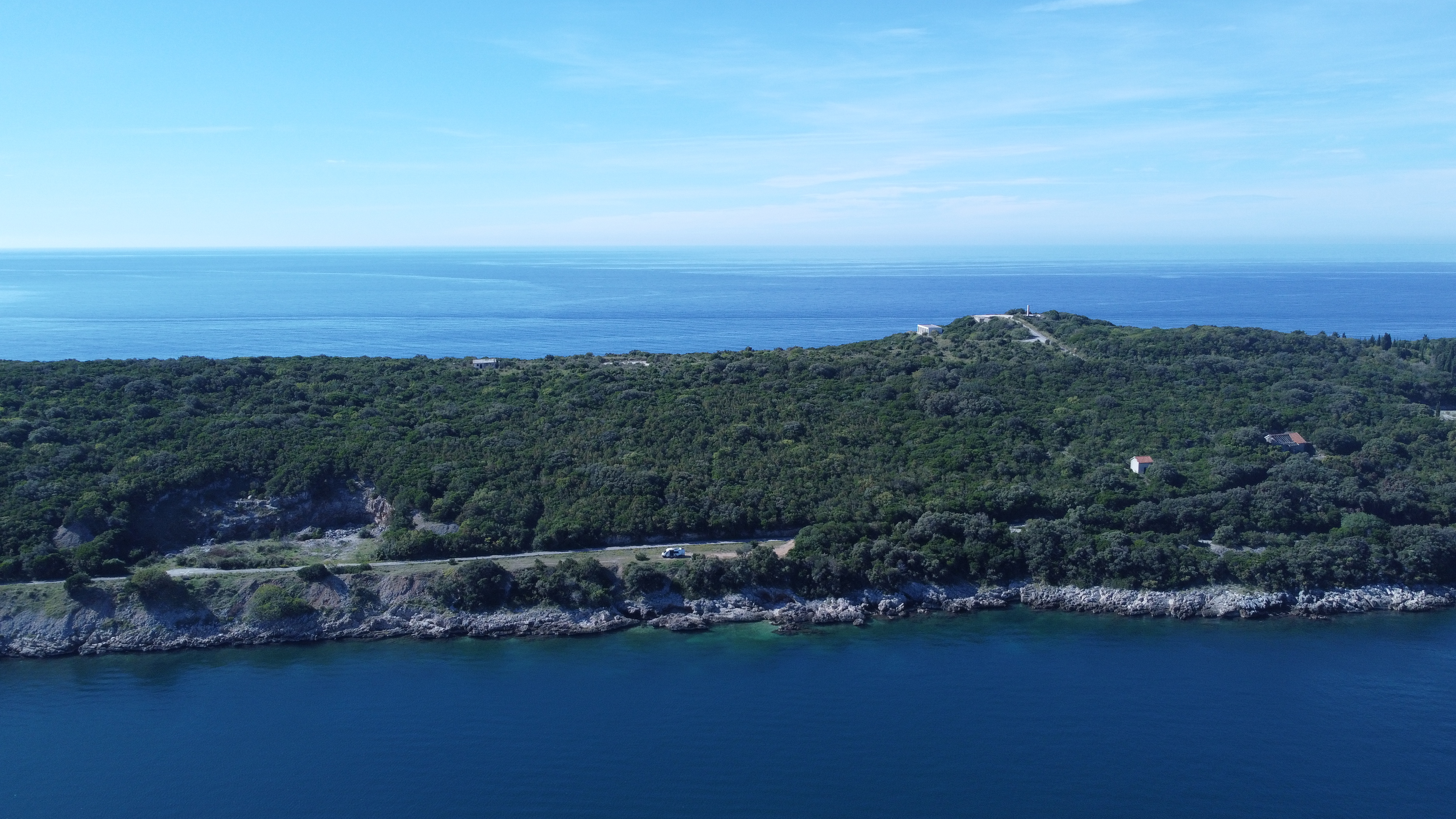
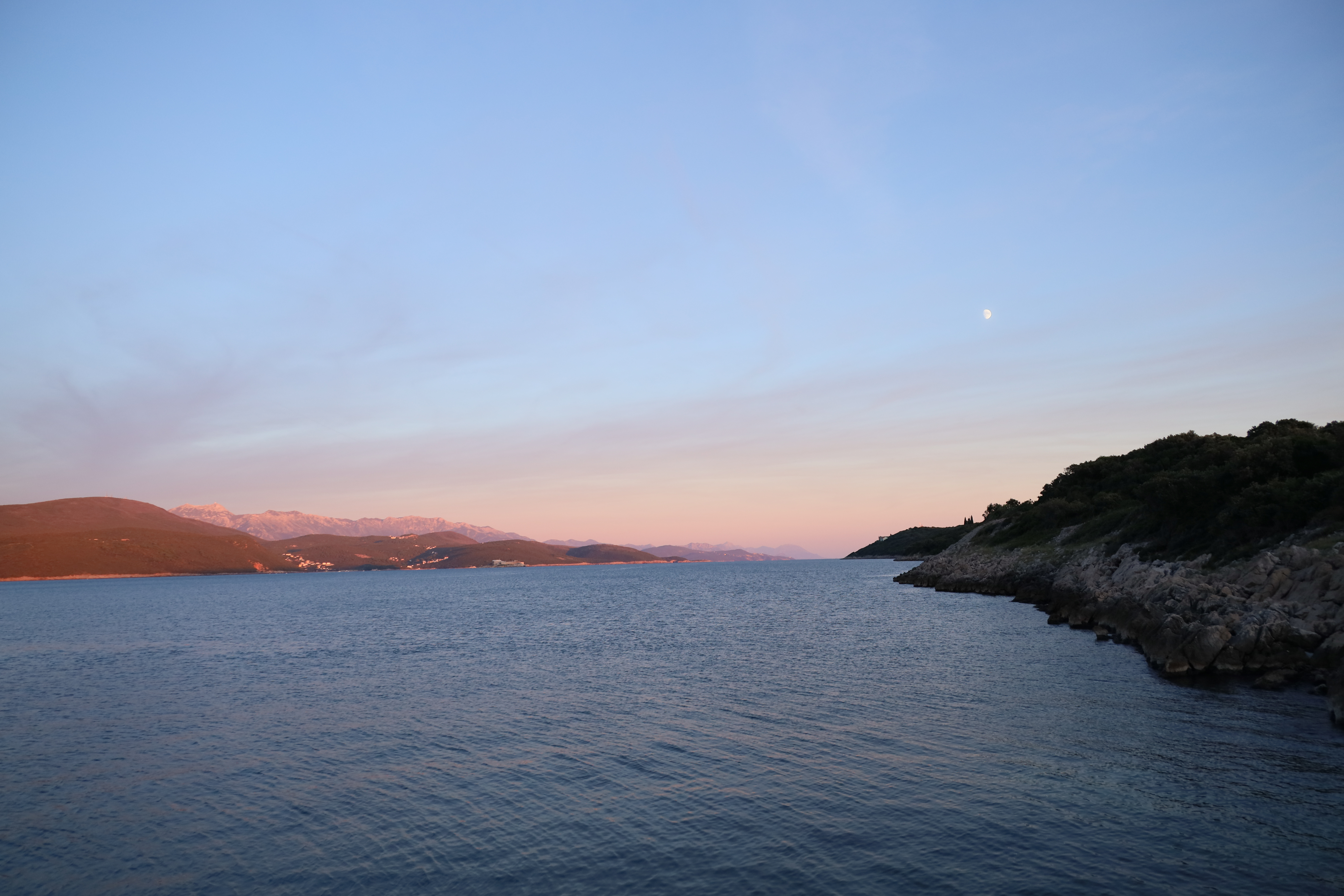
We first entered Croatia on the 1st June from Montenegro. We went to join some friends we made in Albania on the Prevlaka Peninsula, which is an old abandoned military base which overlooks Montenegro.
Prevlaka Peninsula
The border crossing went smoothly, they only asked for passports not the v5c or the pet passport, albeit they didn’t see Alba. But we have crossed this border quite a few times now as we have visited Mike’s brother who has just bought a plot of land in Montenegro and he is setting it up to be an eco-retreat next summer. There’s some more information about that in this link.
Prevlaka Peninsula
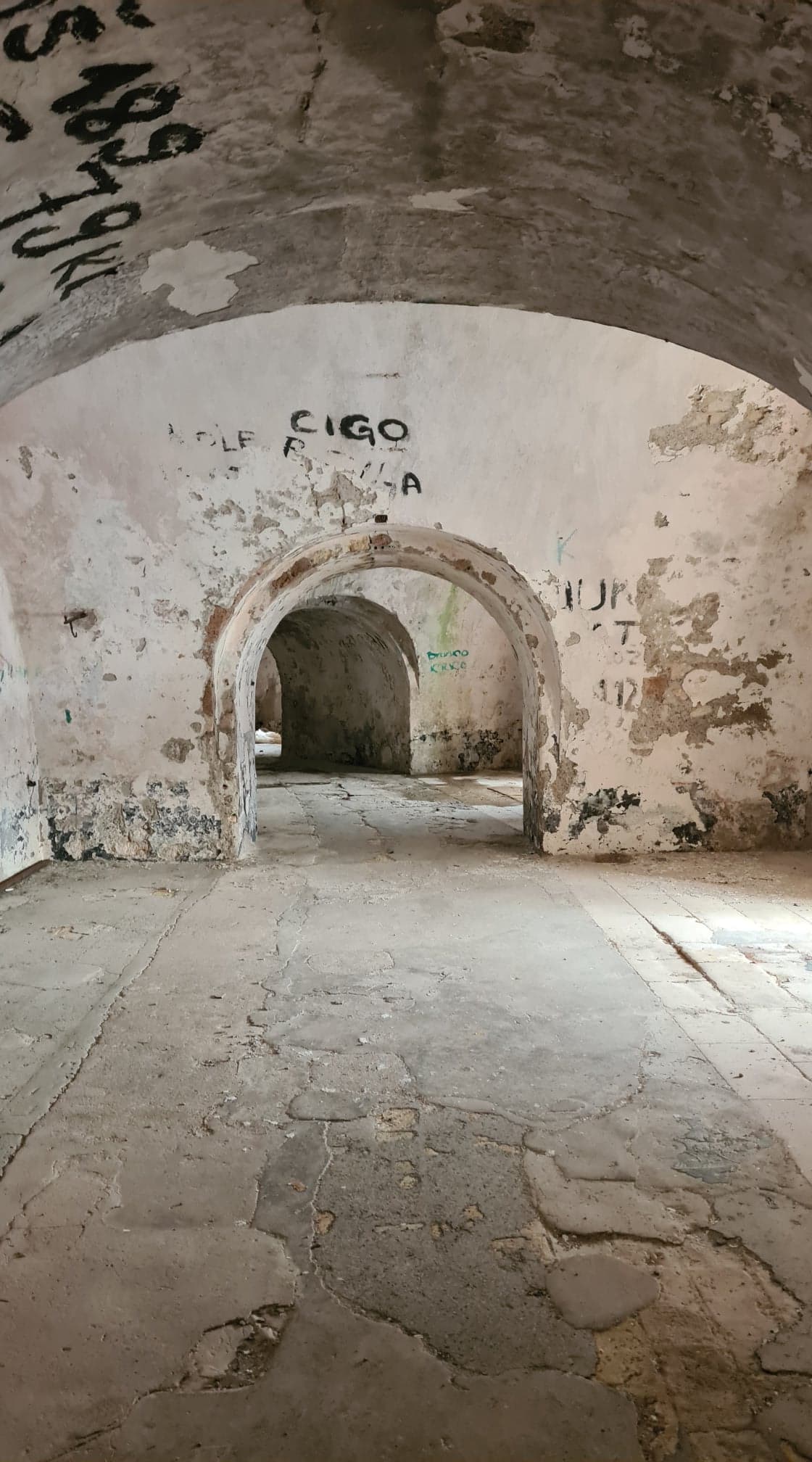
Is the entry point to the Bay of Kotor, which came under Austrian Empire rule in 1813 where they built a fort, which you can un-officially go in. Then Nazi Germany took over during WW2, you can still walk through the communication tunnels today! (It’s incredible, take a head torch).
We left here and went to top up some water at a nearby tennis court. Two minutes around the corner from here is a beautiful water garden. There is a little car park and a tranquil looking restaurant, the water garden follows the man made streams into and around the flour mills. There are some information boards in English and it is the perfect spot for a picnic.
Kupari Bay of Abandoned Hotels
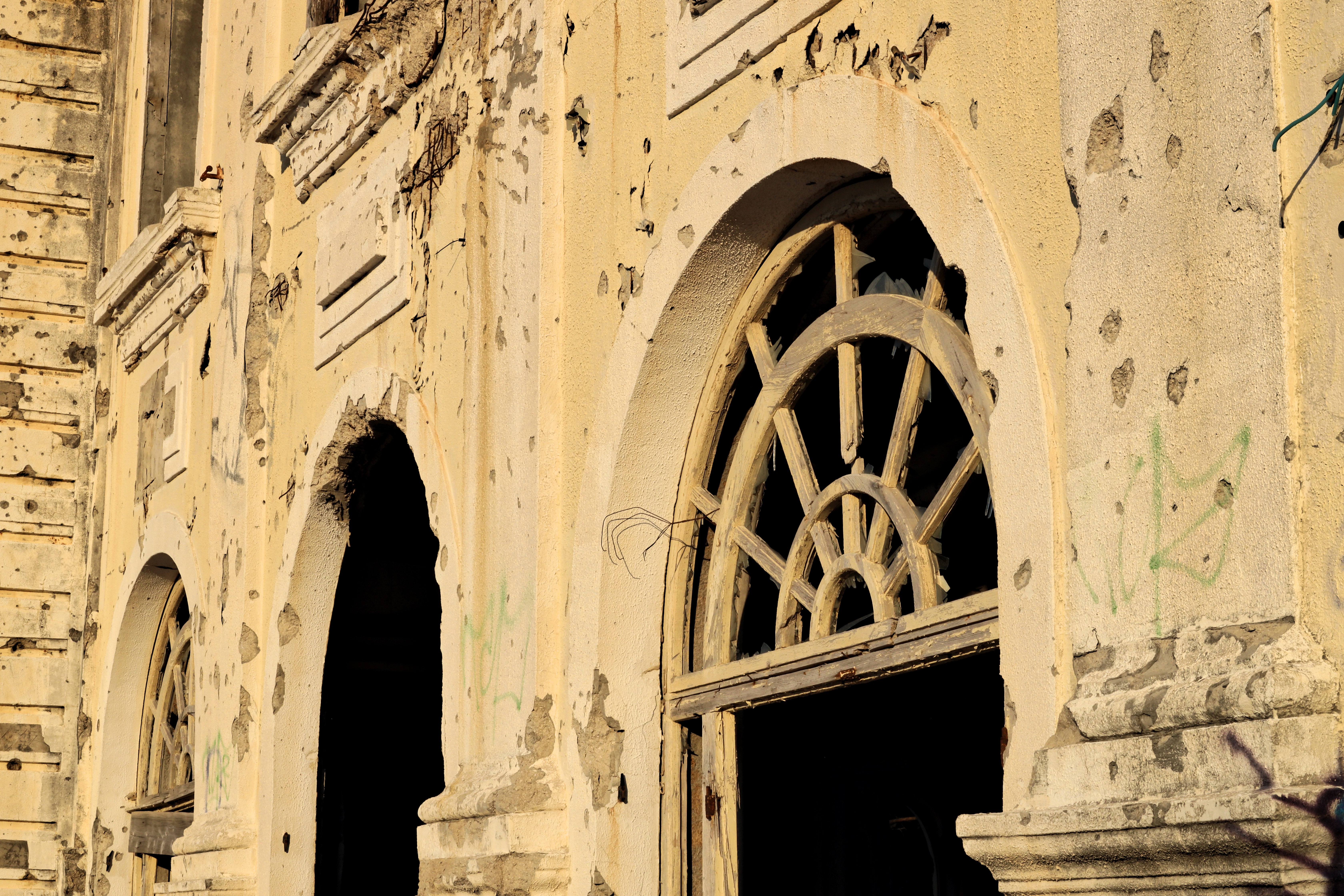
Still heading north we decided to visit the abandoned hotels of Kupari. We had heard about these from a couple who are also travelling in their van, @weboughtavan, and decided to take a trip there. We arrived at night and even though we had our head torches we decided to wait until morning to explore, one because I was worried about what would be on the floor and we had Alba’s feet to consider, but two, I was a little scared in the dark!
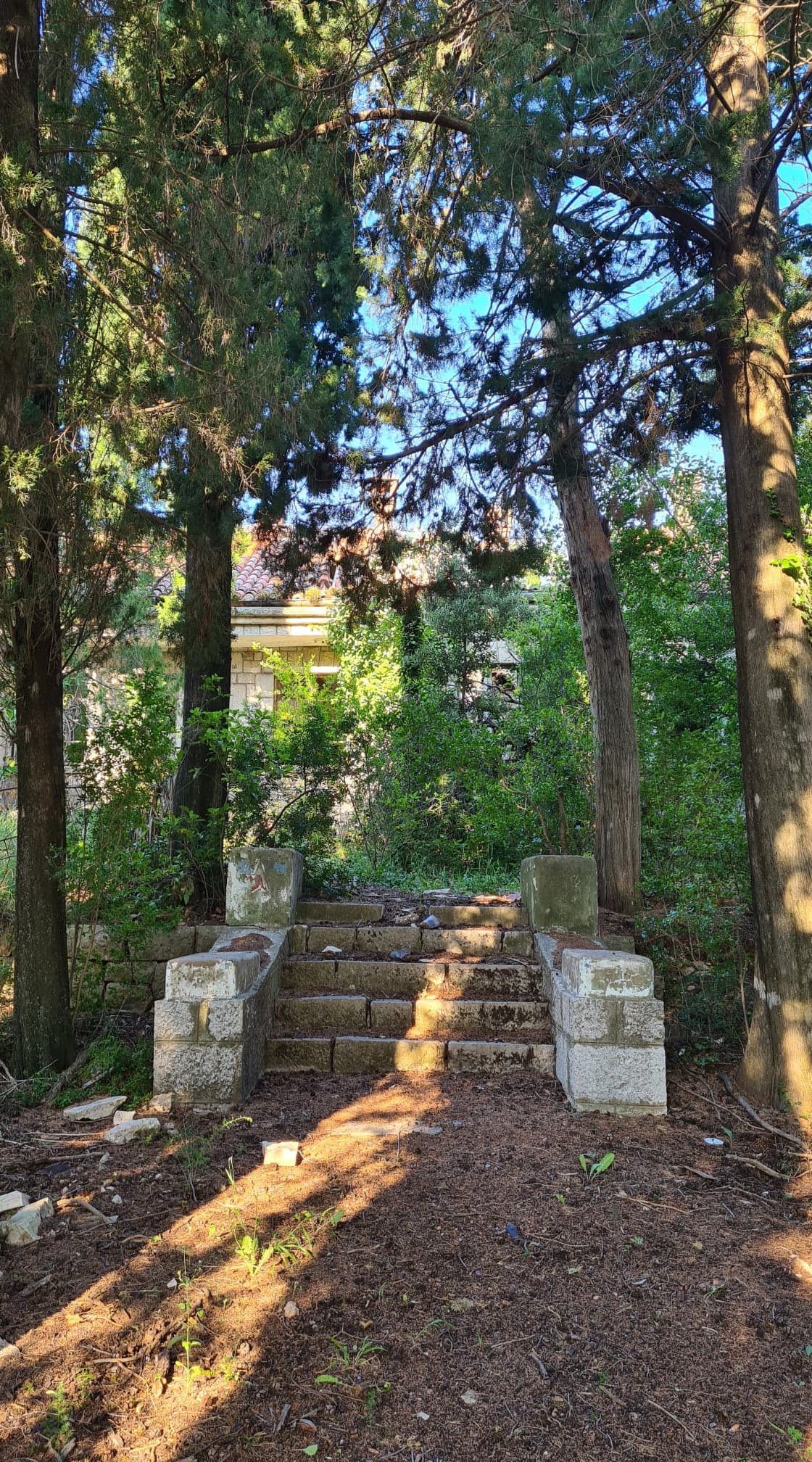
I found out that these once exclusive hotels, built in the 1960s (except The Grand, built in 1920s) were used by the elite of the Yugoslav military where it became a place you could only get a booking if you knew someone. All seven were then destroyed during the 1990s Croatian War of Independence. They are only about 10km from Dubrovnik and you can park up here for free, exploring these hotels is a must do – but watch out for the broken glass if you have a dog with you.
Dalmation Coast
We stayed at Ploče on the windsurf beach which was fab. After driving further north, we had thought about having a beach day but changed our minds seeing how busy the coast was already (beginning of June), so many German vans! We shopped at Lidl where the car park was pretty easy for the camper, before heading toCibača Pizza Tricafor dinner. You don’t get a normal size pizza here, they are all ‘jumbo’! We got one each and then had a takeaway box so we could have the leftovers for lunch the next day. I would highly recommend this place. The parking is a little limited, but there is a sports pitch just down the road which I think would be worth parking at and then walking up about 100 meters or so.
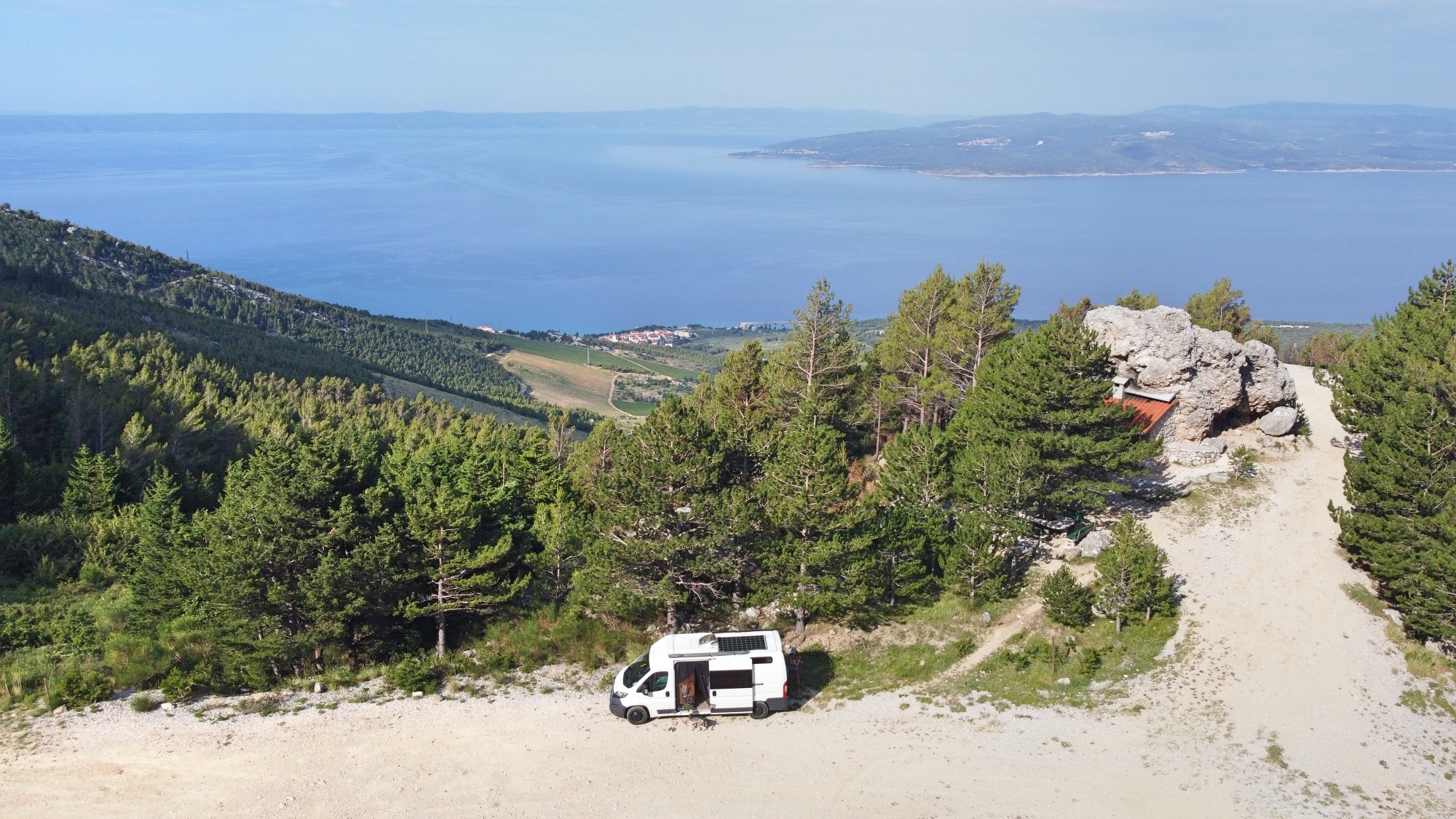
As the coast was too busy for us we found a spot on Park4Night which was up a rather steep mountain side near Bast, the road was really made only for 4x4s however we made it up, just! Up here there was a mountain spring and some climbing pitches. We didn’t have any climbing gear with us at this point so we couldn’t make the most of this location. I would say it is worth going if you have a 4×4 and take supplies for the duration of your stay.
We then decided to head into Bosnia at Gornji Vinjani Border and out again at Granični prijelaz Izačić on the M5. We only stayed in Bosnia a short amount of time because a message came up on the dashboard saying ‘Engine will not restart in 300km’. We knew there was an engine light and worked out it was the N0X sensor which needed to be sorted so just incase the 300km was a mistake and meant 30km, we thought it would be best to get the work done in Croatia where we have loads of data on our phone to get us out of trouble if needed.
Rila National Park is found in the West of Bulgaria and hosts a whole range of footpaths for those looking for an adventure. It truly is one of the best places to go hiking in Bulgaria. Musala (2,925.4 m (9,598 ft) the highest peak in Bulgaria can be found in Rila national Park and can be best accessed from the Borovets Ski Resort. Rila is a 1 hour 40 minute drive from the capital of Sofia and can be accessed all year round.
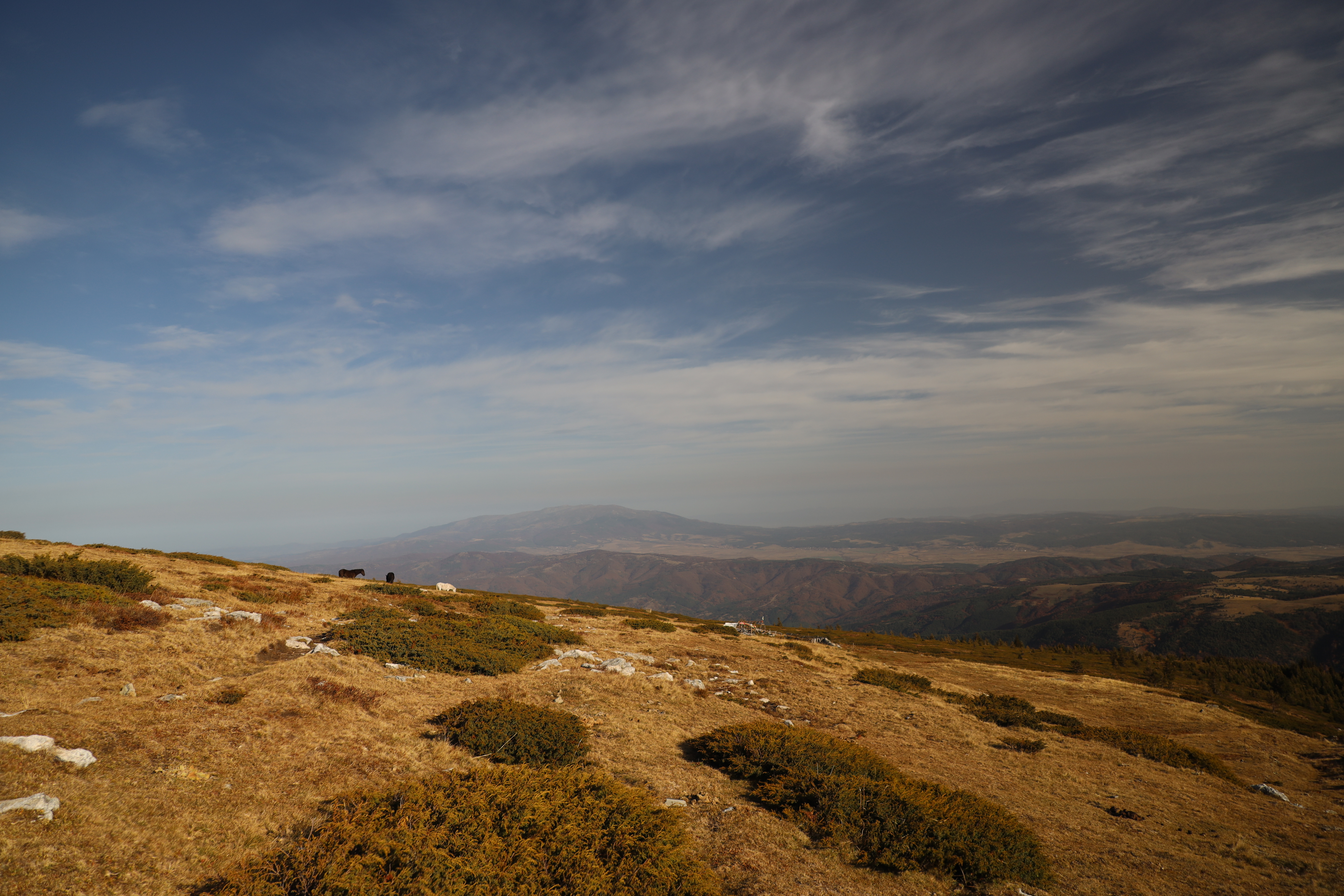
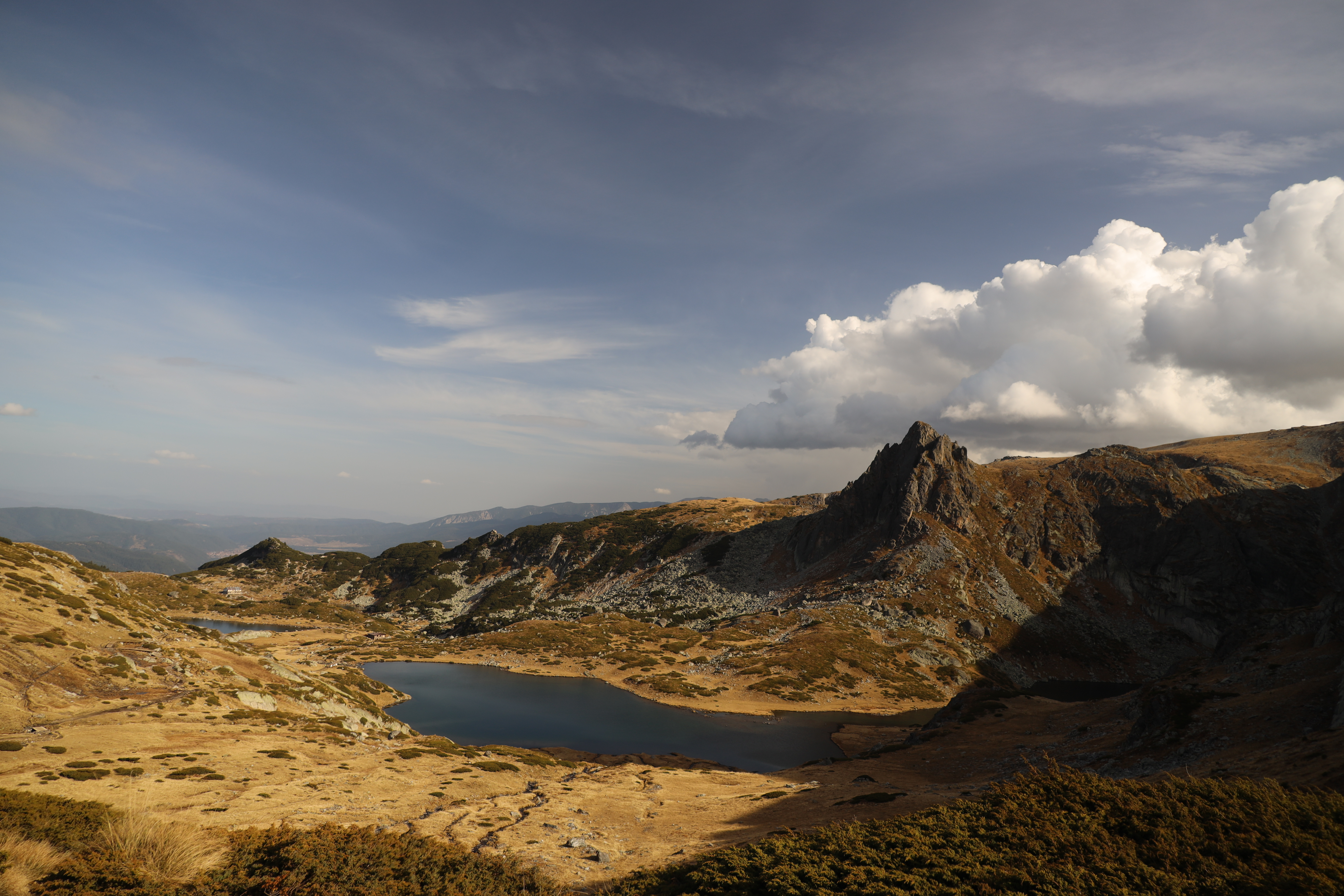
This 20km hike is straight uphill from leaving the car park until you get about two hours in and above the tree line. From here the scenery opens up and you can watch the horses graze as you make your way over the juniper covered grassland towards the rising ridgeline.
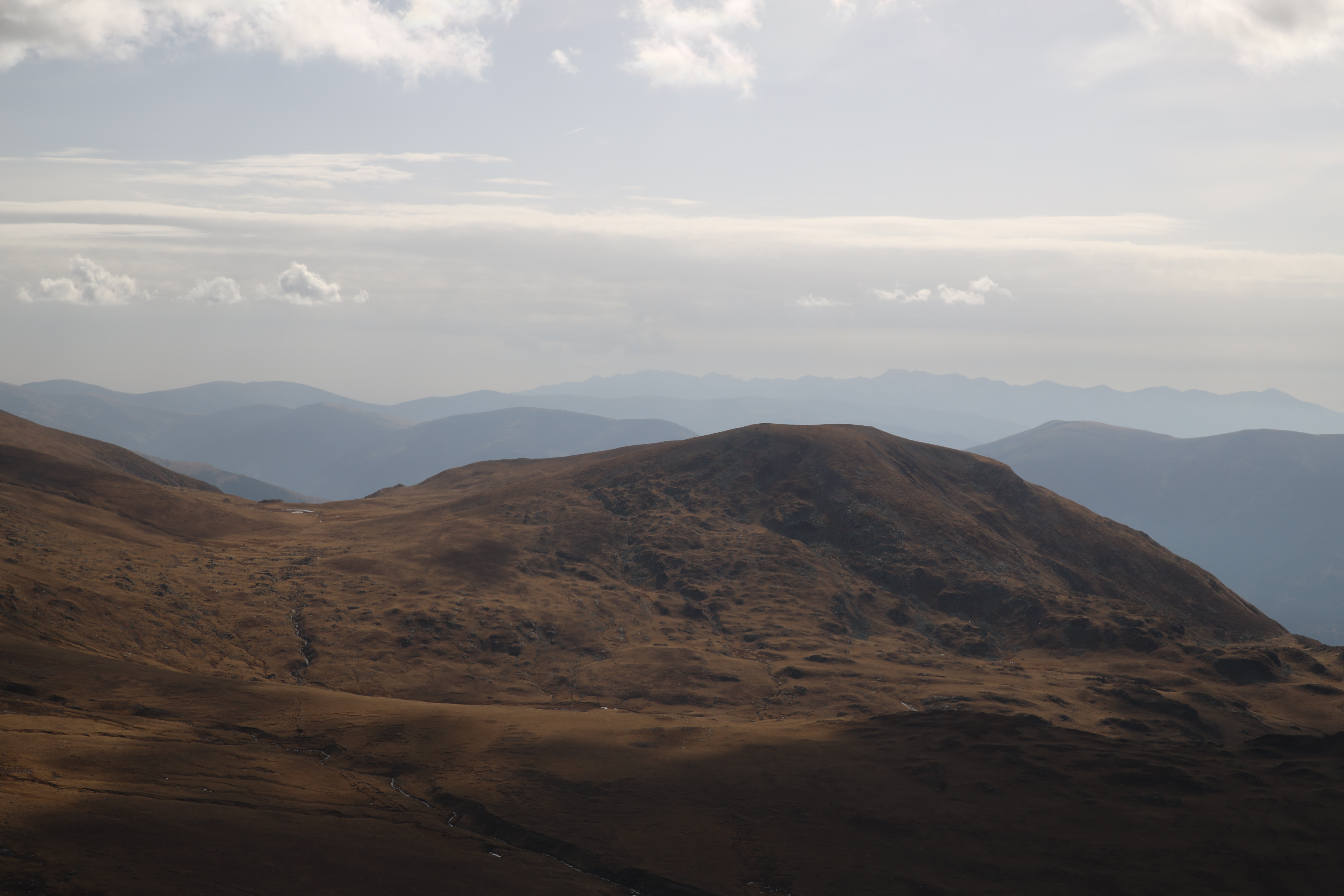
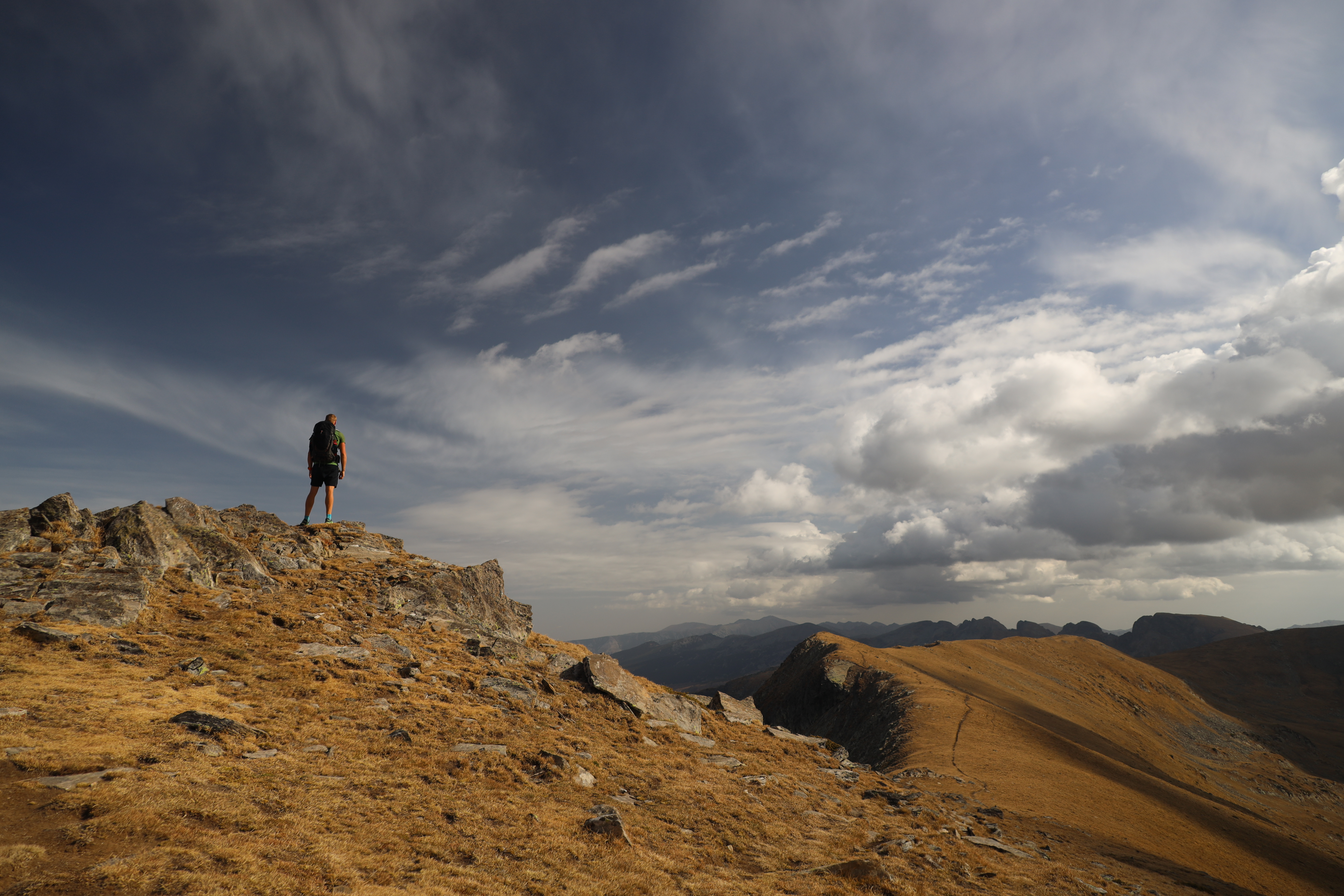
The ascent becomes a lot more gentle now as you get closer to the base of one of the highest points of the route, Kaboul 2543m. Here you need to trust the map as it will guide you to the start of the footpath through the rocky terrain and up the steep edge onto the ridge. Once upon the ridge, the view opens up and you can take in a 360 degree view of the mountains of Bulgaria.
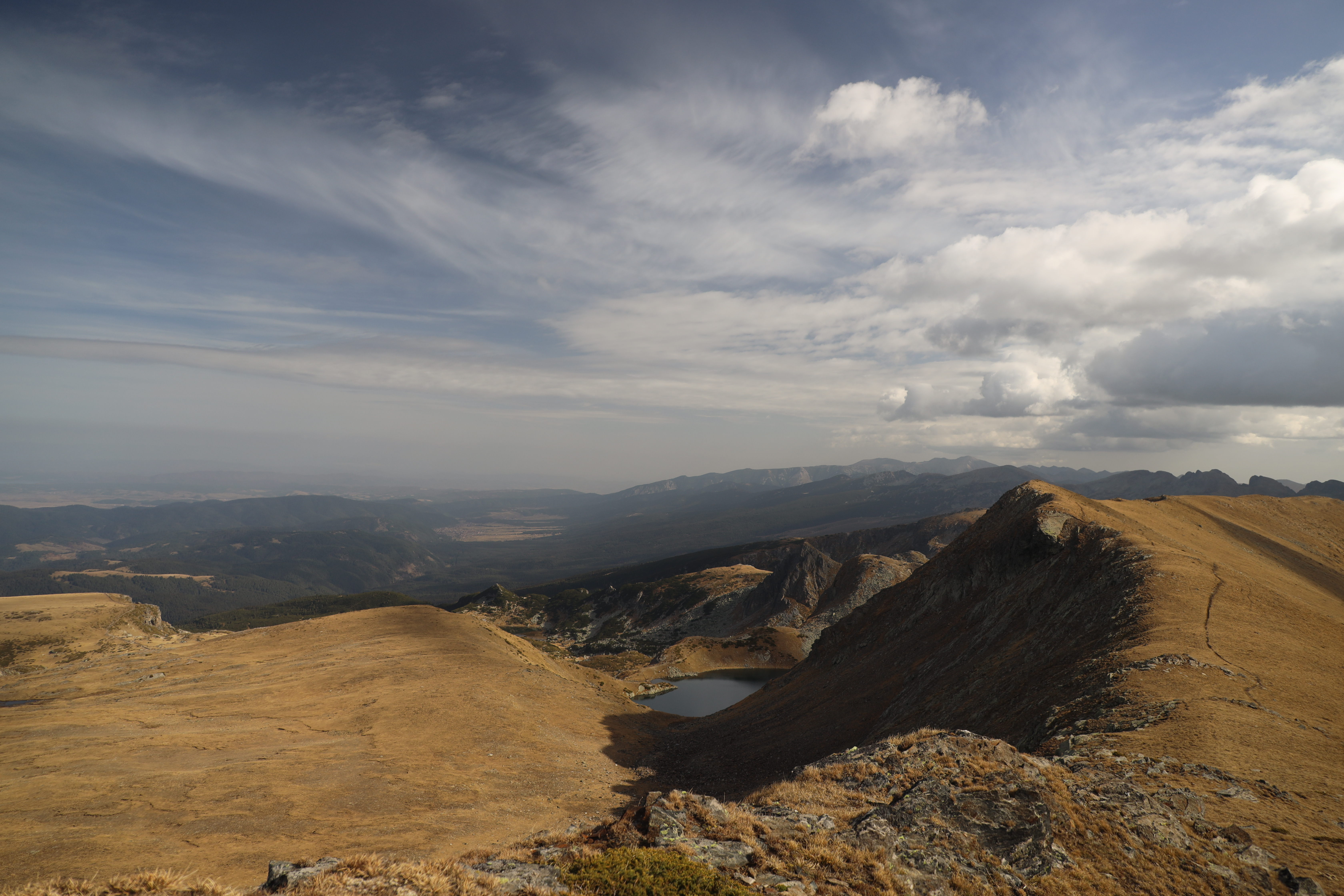
Traverse the ridge and enjoy the views of the seven lakes from above. From here you will see the zig zag path that you will be taking down to get to those lakes. Once down you will see more people as many just take the ski lift up to the lakes and back again. We did this hike mid week in October and there were still a fair few people around who had taken the lift.
Meander through the lakes until you find yourself at the ski lift, take the track under and follow through the woods until you meet a ski run. Here you have options but we just took the track to the left which led us all the way back to the car park. This part of the walk was beautiful, as the birds were singing as dusk approached. There was not another soul in sight or within earshot and it was the perfect way to end the walk.
Walk Overview:
Length: 20.9km (about 13 miles) Start Altitude: 1610m Highest Points: Kaboul 2543m, Otovitsa 2712m and Razdela 2603m. Total Elevation: 1,225m
Parking:
Parking is available at the ski lift, however we started our walk at this location.. (Park4Night #254110) where you can sleep in your campervan. There is a water tap there but as it is directly from the ground I would advise using a water filter bottle, (like Water2Go).
My top five places to visit for a van adventure in the UK.
There are so many places that you could visit for a road trip holiday in the UK from the tip of Lizard Peninsula in Cornwall to the depths of the Scottish Highlands. Here are some of my favourite locations.
1 Cumbria
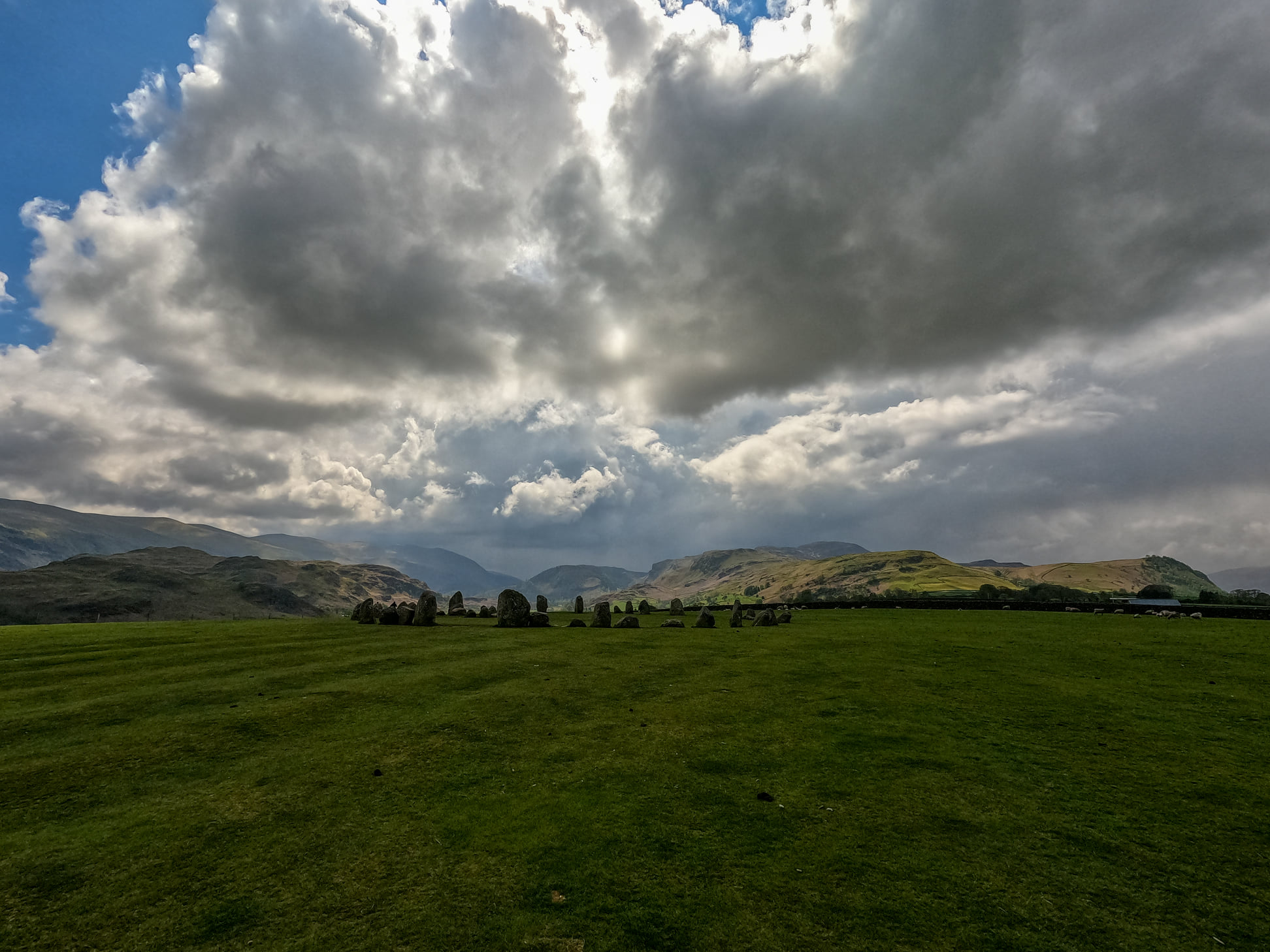
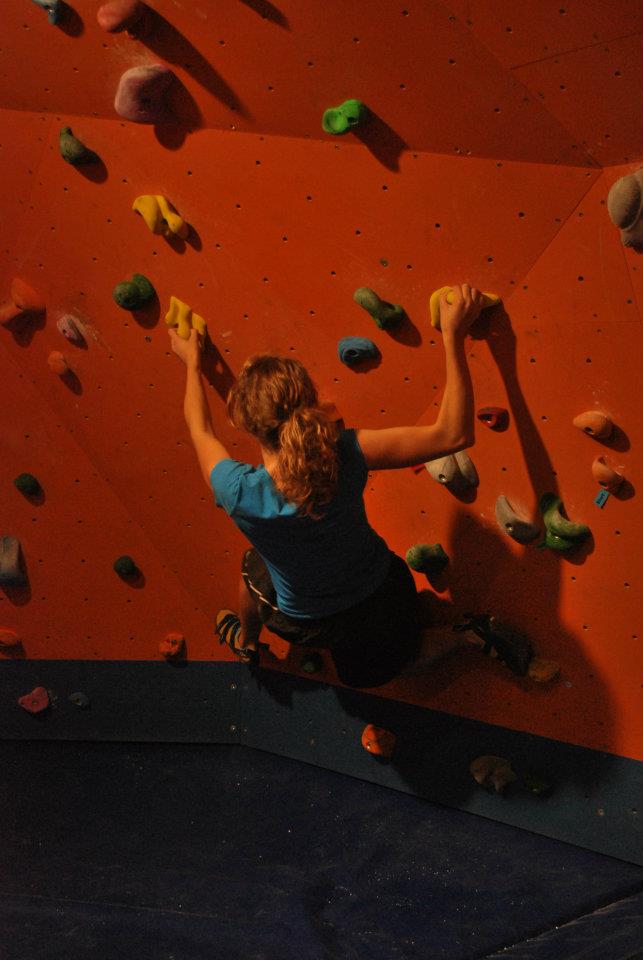
Castlerigg Stone CircleKendal Climbing WallPavey ArkLake DistrictLake DistrictLake District
I would camp at an eco campsite, somewhere like the The Quiet Site.
Then book a nature experience with Wild Intrigue like their Breakfast with Red Squirrels on Haweswater.
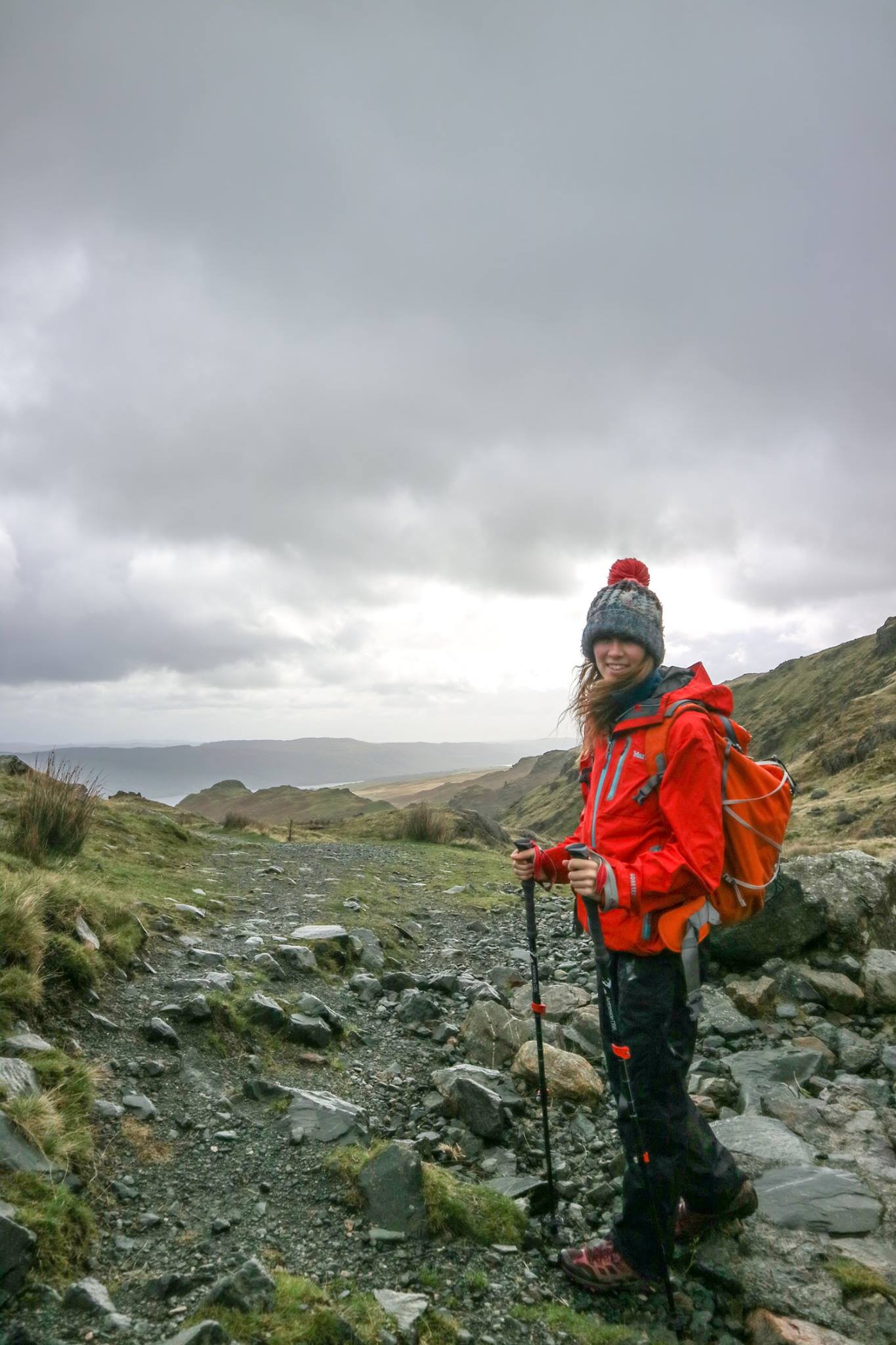
Followed by a hike up one of the many fells, one of my favourite being up Pavey Ark.
If the weather was a little on the rainy side, I would take my climbing gear to the Kendal Climbing Wall.
Spending sunrise at Castlerigg Stone Circle is a must, especially at seasonal festivals like Beltane or Samhain.
2 KilmartinGlen, Scotland
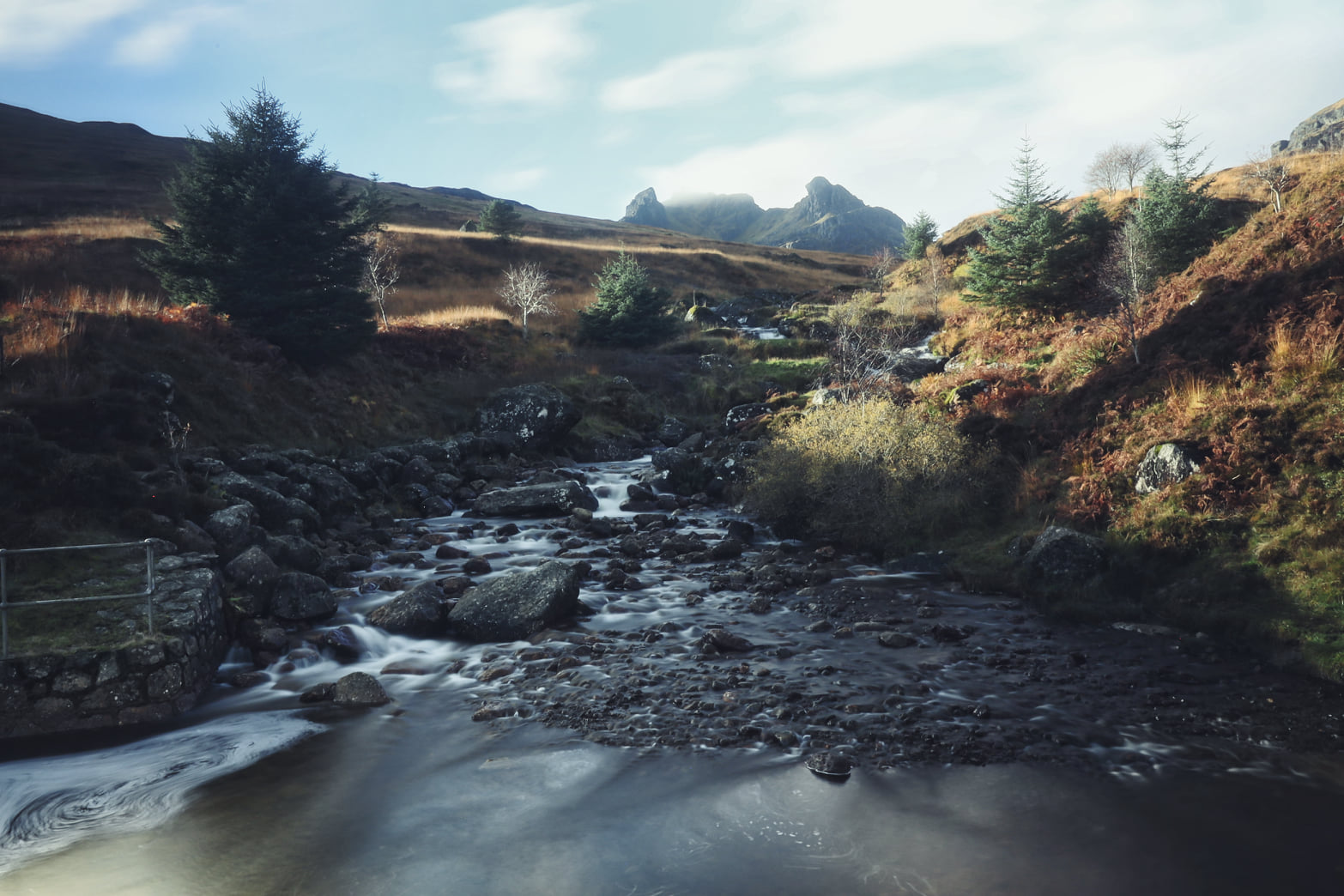
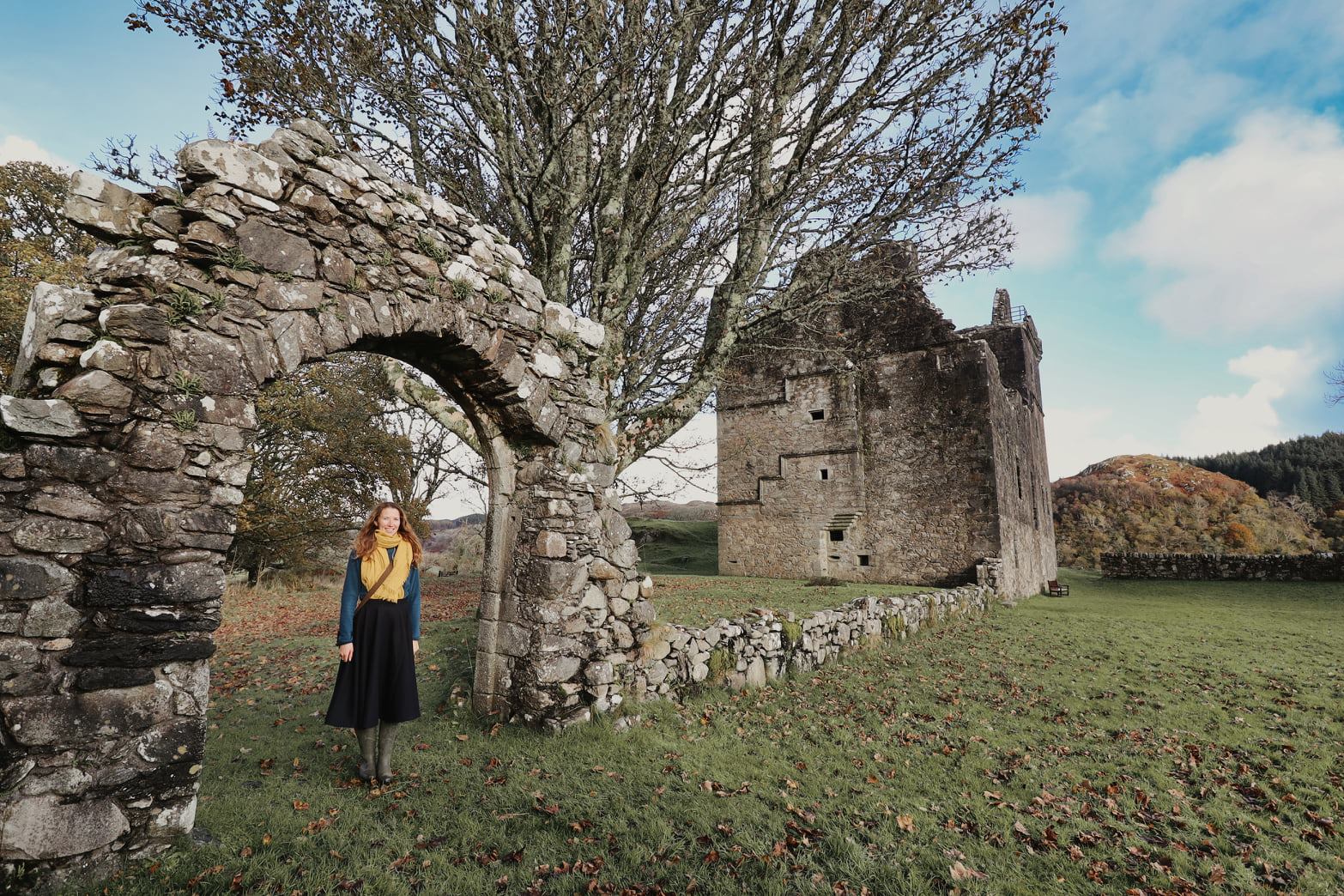
View to the CobblerCarnasserie CastleNether Largie Standing Stones
This is a great place for a road trip. It is in the West of Scotland and has over 350 ancient monuments to stop at and explore. We haven’t stayed at a campsite here, however Forestry and Land Scotland were running a Stay the Night project, so we took advantage of this. Remember to leave no trace.
Visit Carnasserie Castle.
Explore Nether Largie Standing Stones.
On the way a hike which was fantastic is up the Cobbler.
3 Chiltern Hills
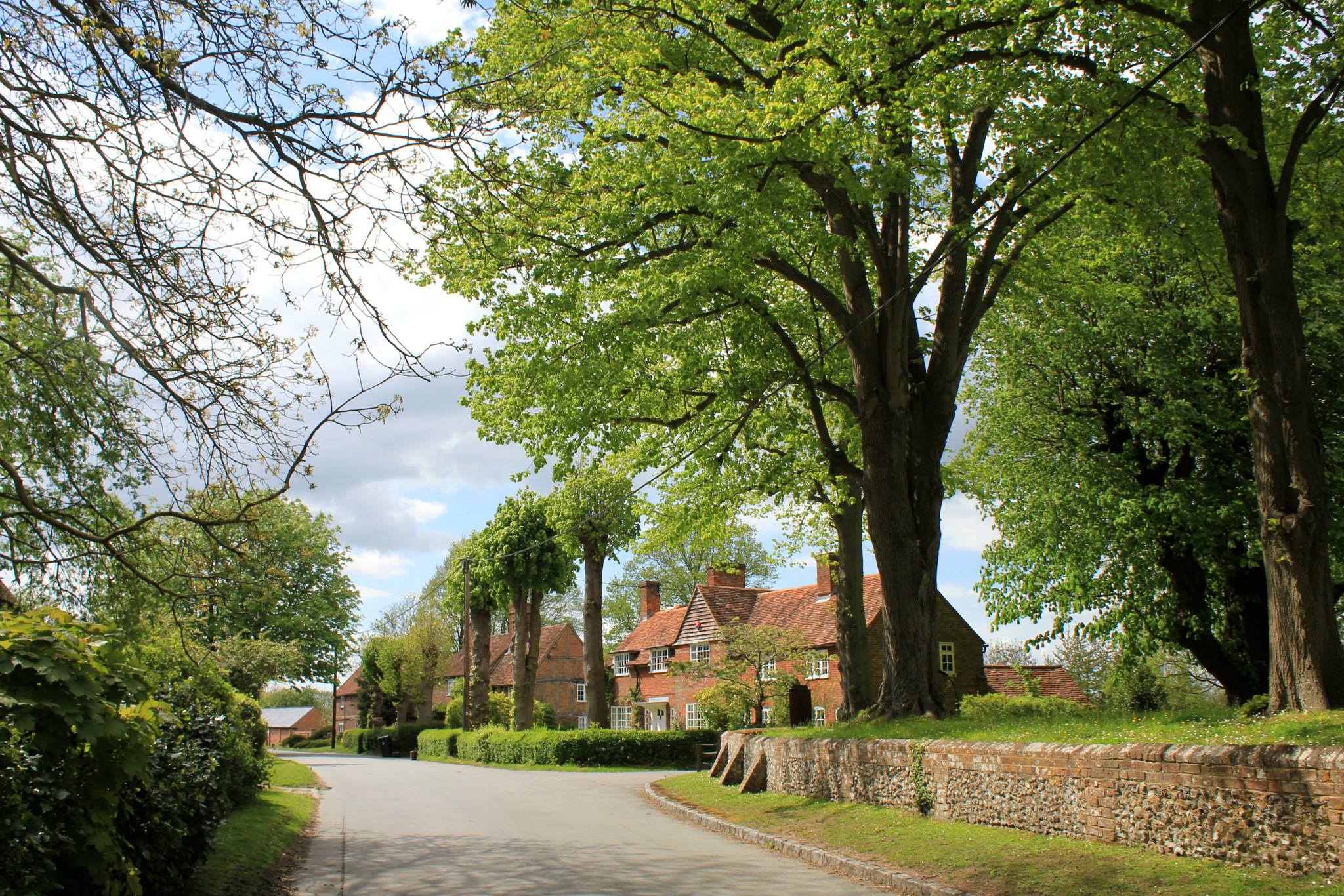
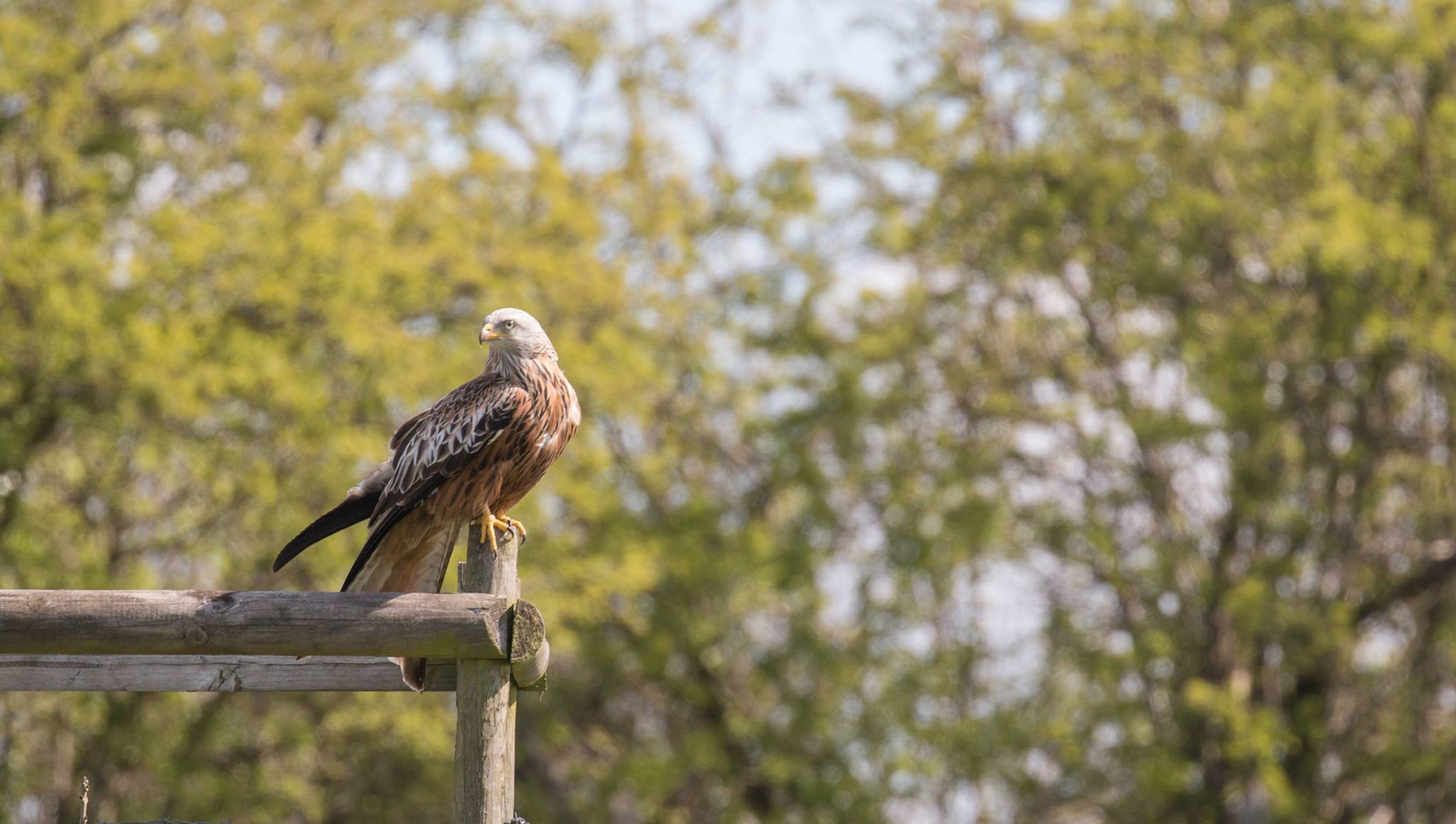
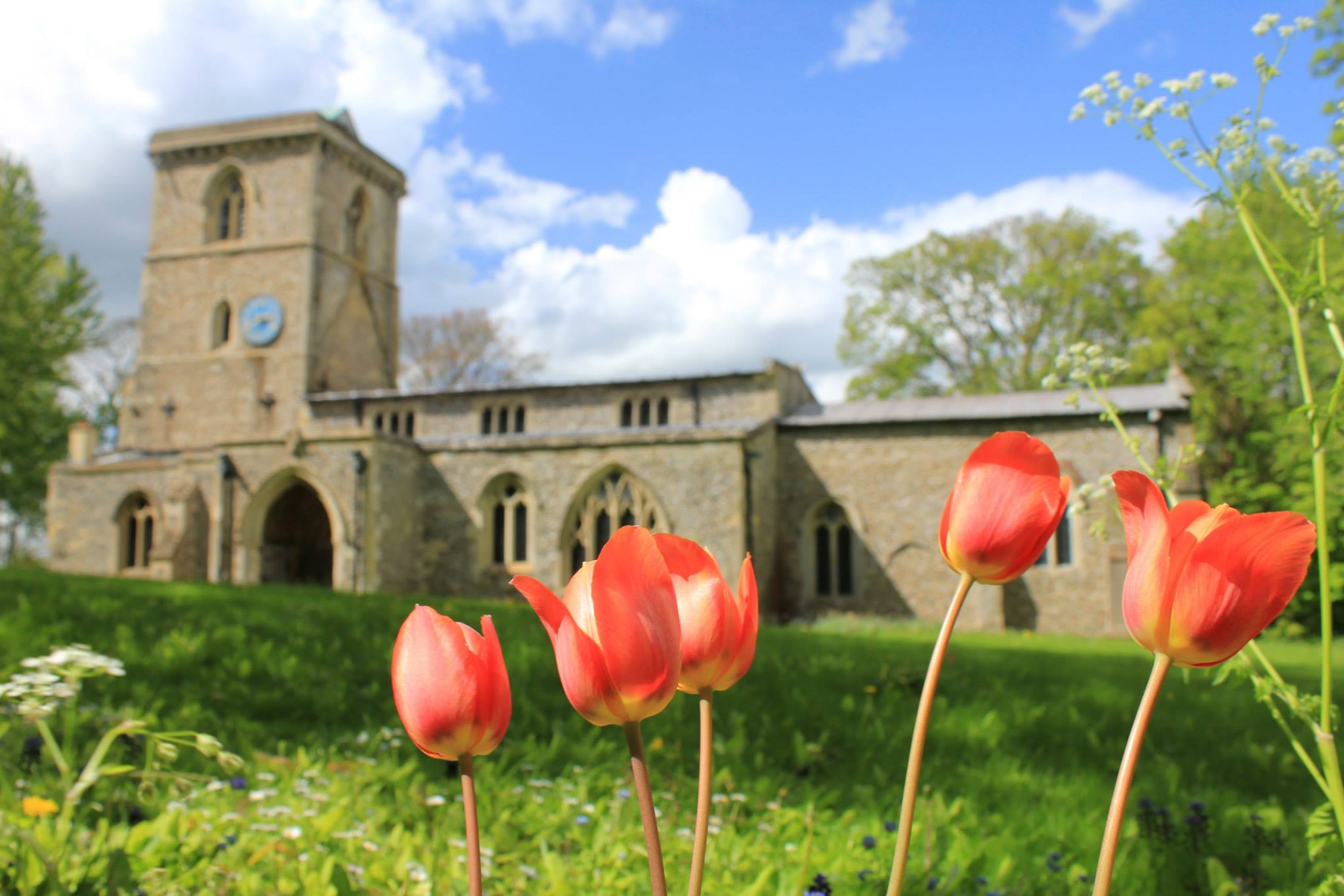
Chiltern’s VillageRed KiteChiltern’s ViewBledlow Church
I’d bring the camera and a flask on a walk in the Chiltern Hills.
Photograph the red kites.
I would walk up Whiteleaf Hill in the Nature Reserve.
I would camp at Orchard View Farm, they have a great little cafe with local produce too.
4 Suffolk
IckworthThe Tea Party OakLakeford LakesSouthwoldFlatford MillsSuffolkPlaces to visit in Suffolk
Head to Constable Country and visit Flatford Mills.
The following day I’d do the The Three Churches Walk (video below).
I would also visit one of the oldest oak trees in the county at Ickworth House.
I’d take a flask and a camera to watch the birds at Lackford Lakes.
Not forgetting, if the season is right, a visit to the seals at Horsey Gap (remember to keep your dog on a lead).
For coffee and waffles in Bury St Edmunds, I would recommend Lotties at Angel Hill.
5 Moel Famau, North Wales
Clwydian RangeClwydian RangeClwydian Range
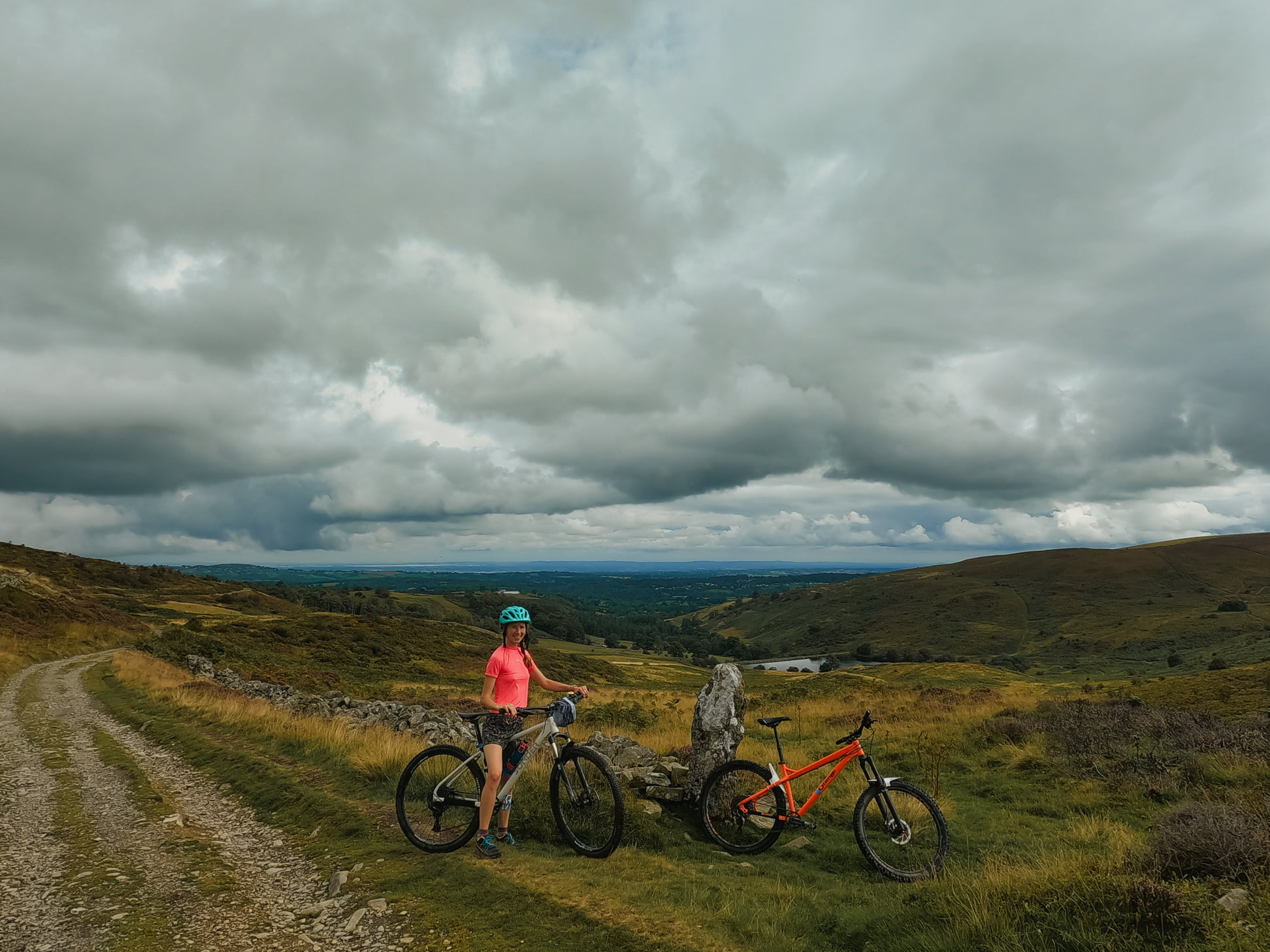
The Clwydian Range in Flintshire is a great place to hike and bike away from the crowds of Snowdonia. There’s a few spots on Park4Night which we have slept at with no issues.
A great little cake shop I would highly recommend is in Rhewl, called the Sugar Plum Tearoom.
A summit to walk is up Moel Famau which is the highest hill in the area.
Exploring Permet Springs and picking up a new four legged friend..
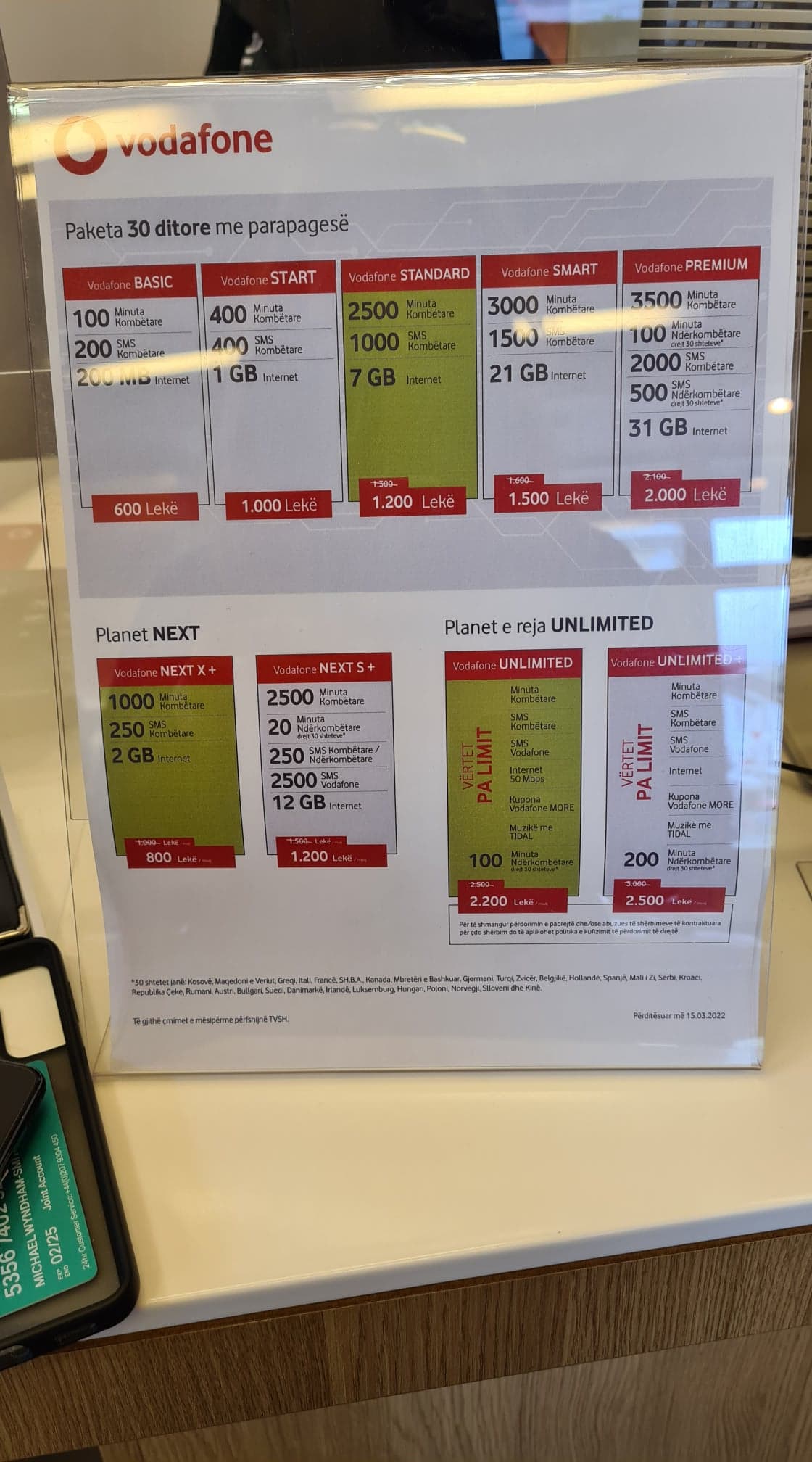
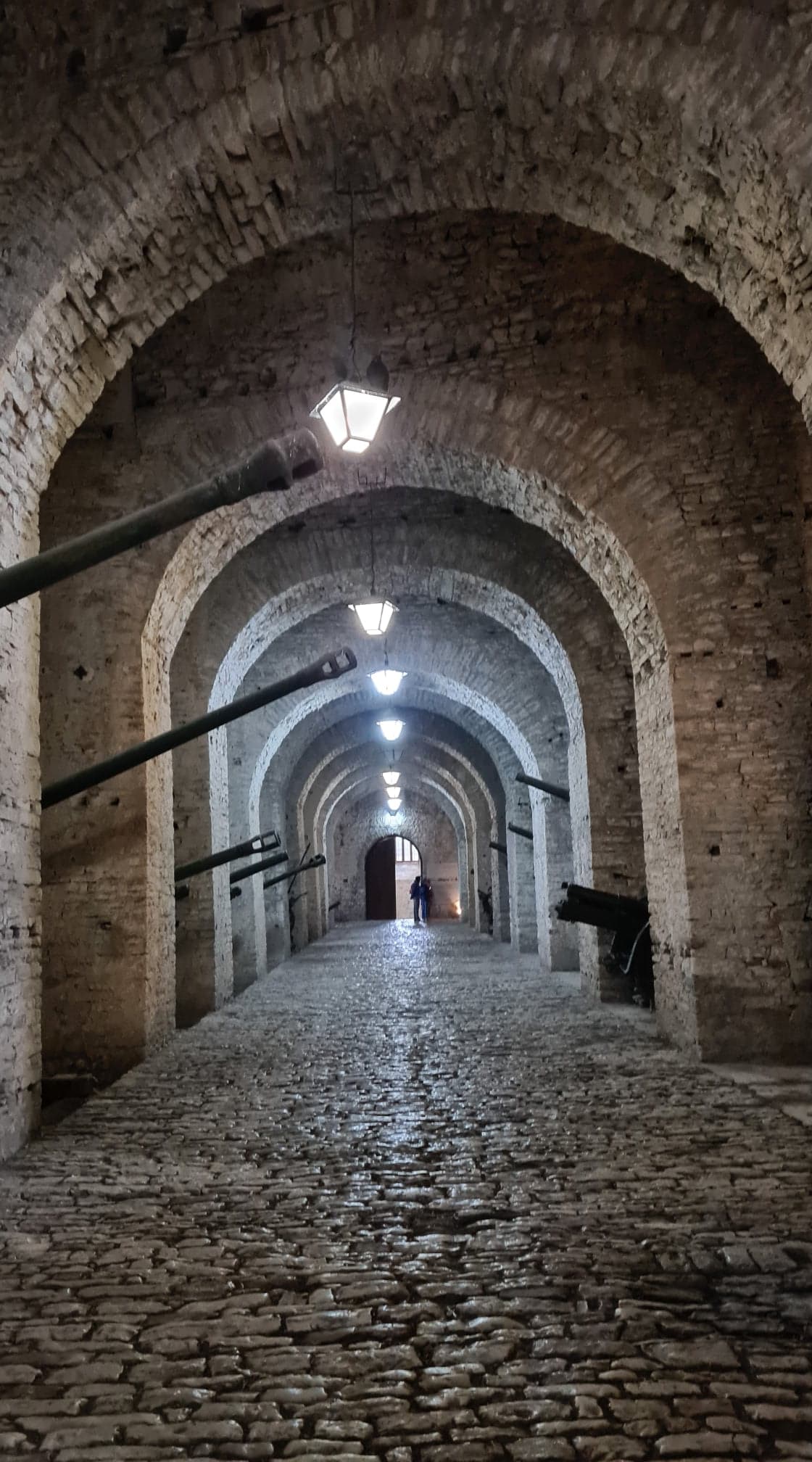
We first went to get a sim card from GJirokaster. I had no expectations of this town, but I was suitably impressed. First, the lady in Vodafone was really helpful, we got a 31gb sim card that cost €17 and lasted for 30 days. Then we took a look around, it started to rain so we went up to the castle, which normally costs a couple of euros, but today they let tourists in for free, maybe because they were doing some building work. This castle is one of the biggest in the Balkans and was occupied by the Ottoman Empire in 1419 and was used as a prison during the communism times. All the little side rooms, that in the UK would be cordoned off or that would be behind locked doors, were open, and we could explore to our hearts content. I have never been in a prison in a castle before and explore here was fascinating.
GJirokaster VodafoneGJirokasterGJirokaster Castle
After we went back into the little town and had lunch. Here I had the best moussaka I have had ever before. We then followed a classic route, which every van blog seems to tell you to do and we drove up to Permet Springs. There were about 6 other vans here, a few stray dogs and we took a dip in the baths. There are a few to choose from and we just went into the main one after an 8 mile walk. It was warm, and refreshing. We stayed here 2 nights before heading to Vlore. The route we hiked can be found on Outdoor Active here.
Permet SpringsPermet SpringsPermet SpringsPermet SpringsPermet Springs
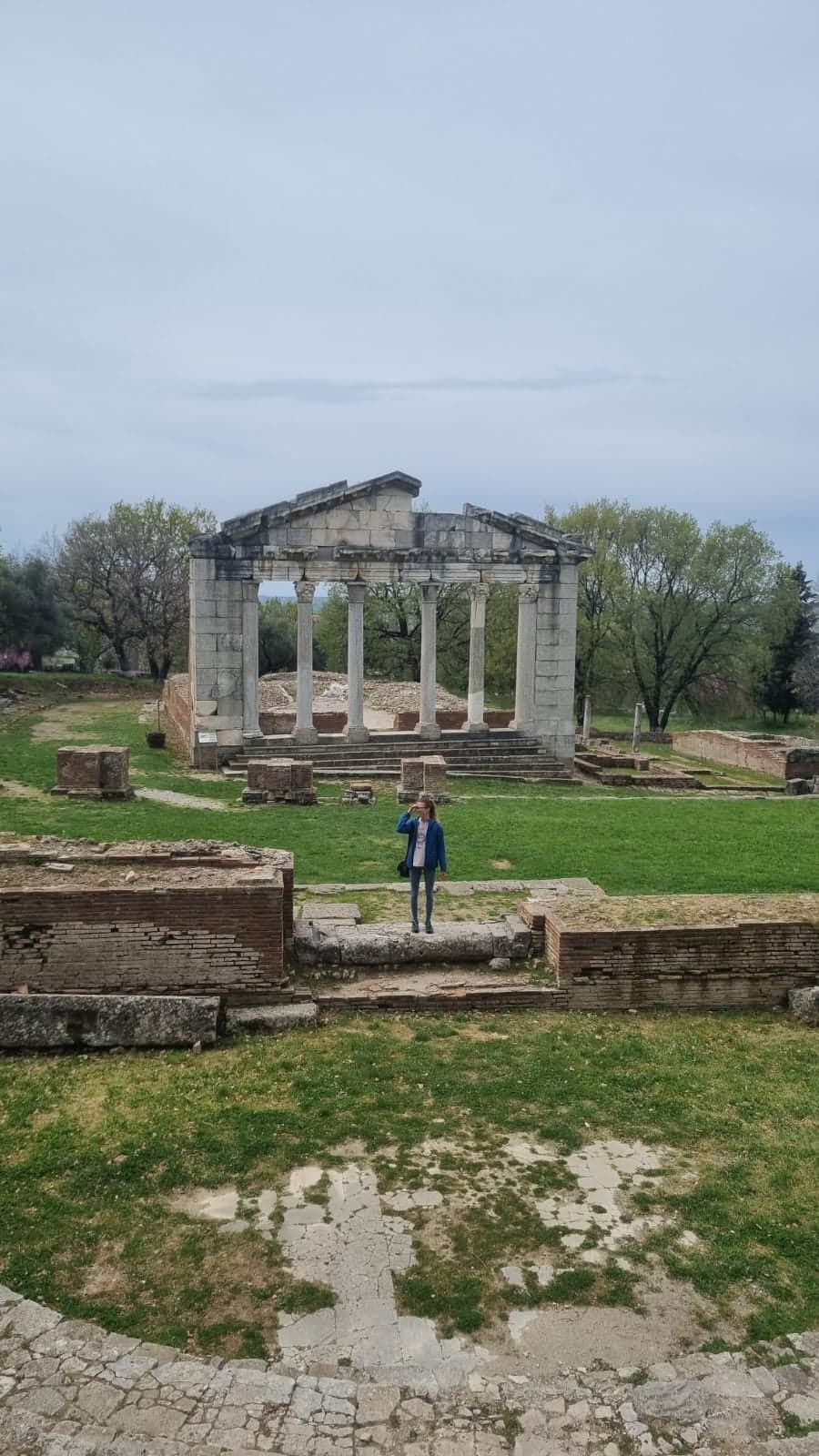
We went to Vlore but wasn’t too impressed with the area, just down the road is the Ancient Greek trade colony of Apollina, which is worth a visit.
ApollinaApollinaApollina
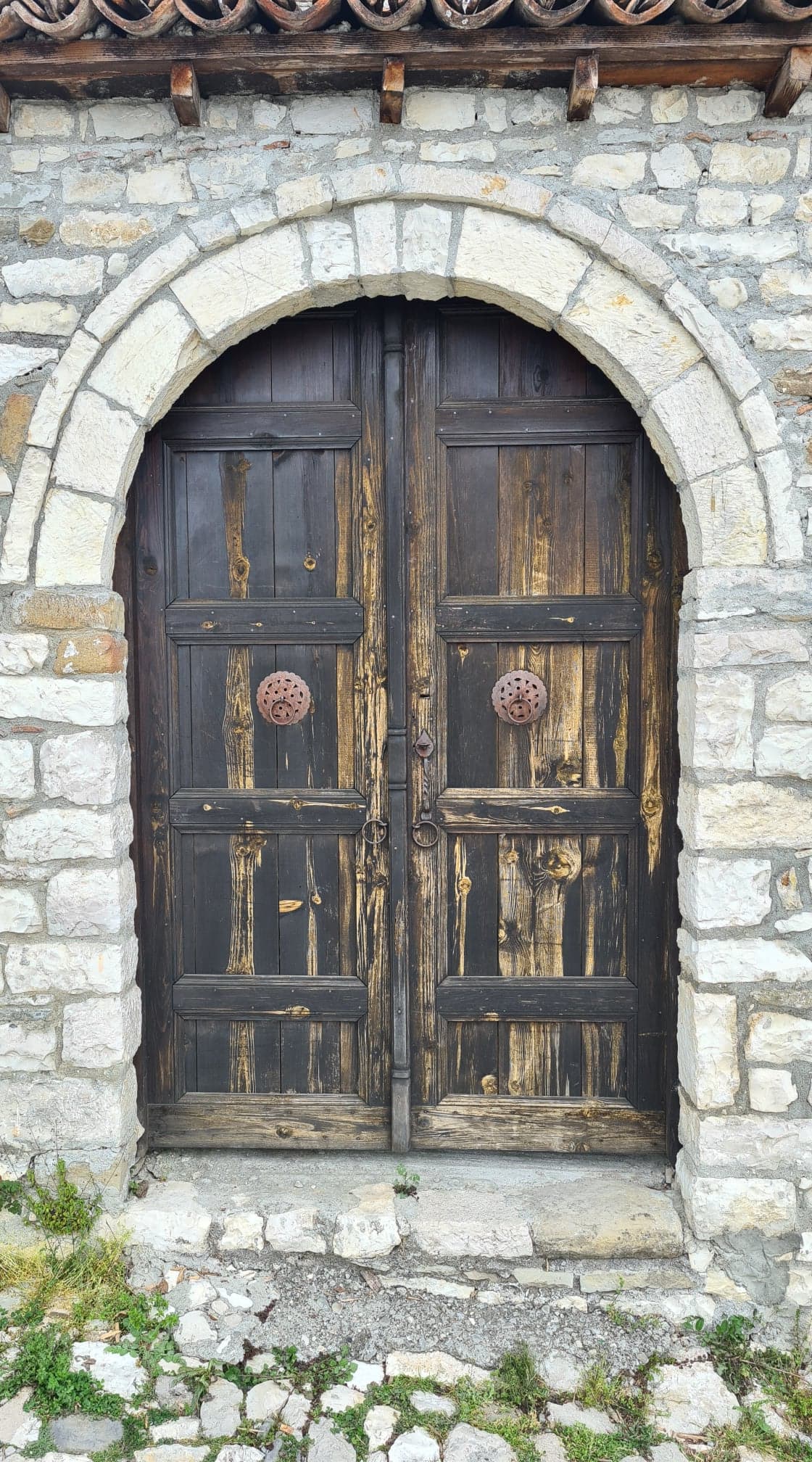
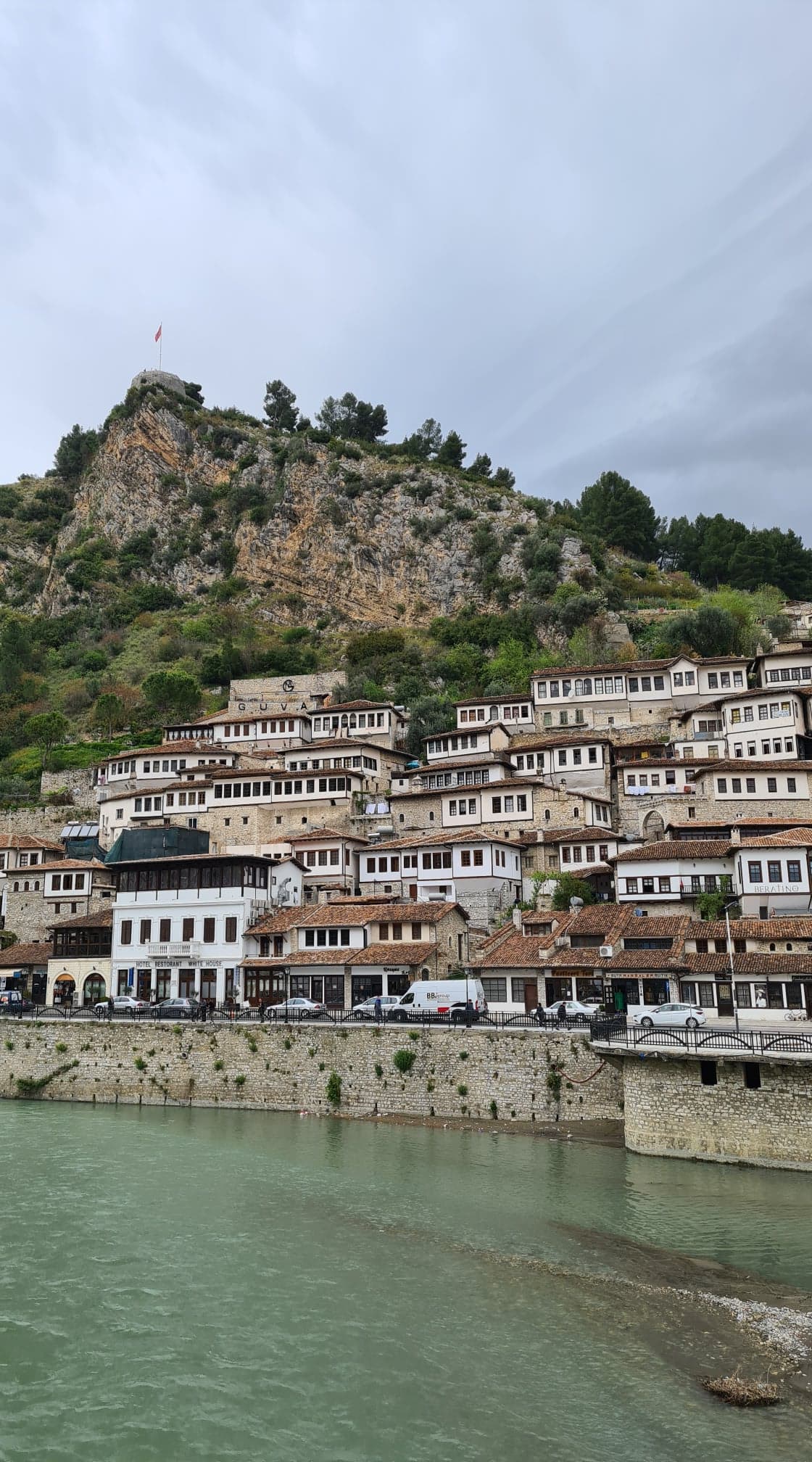
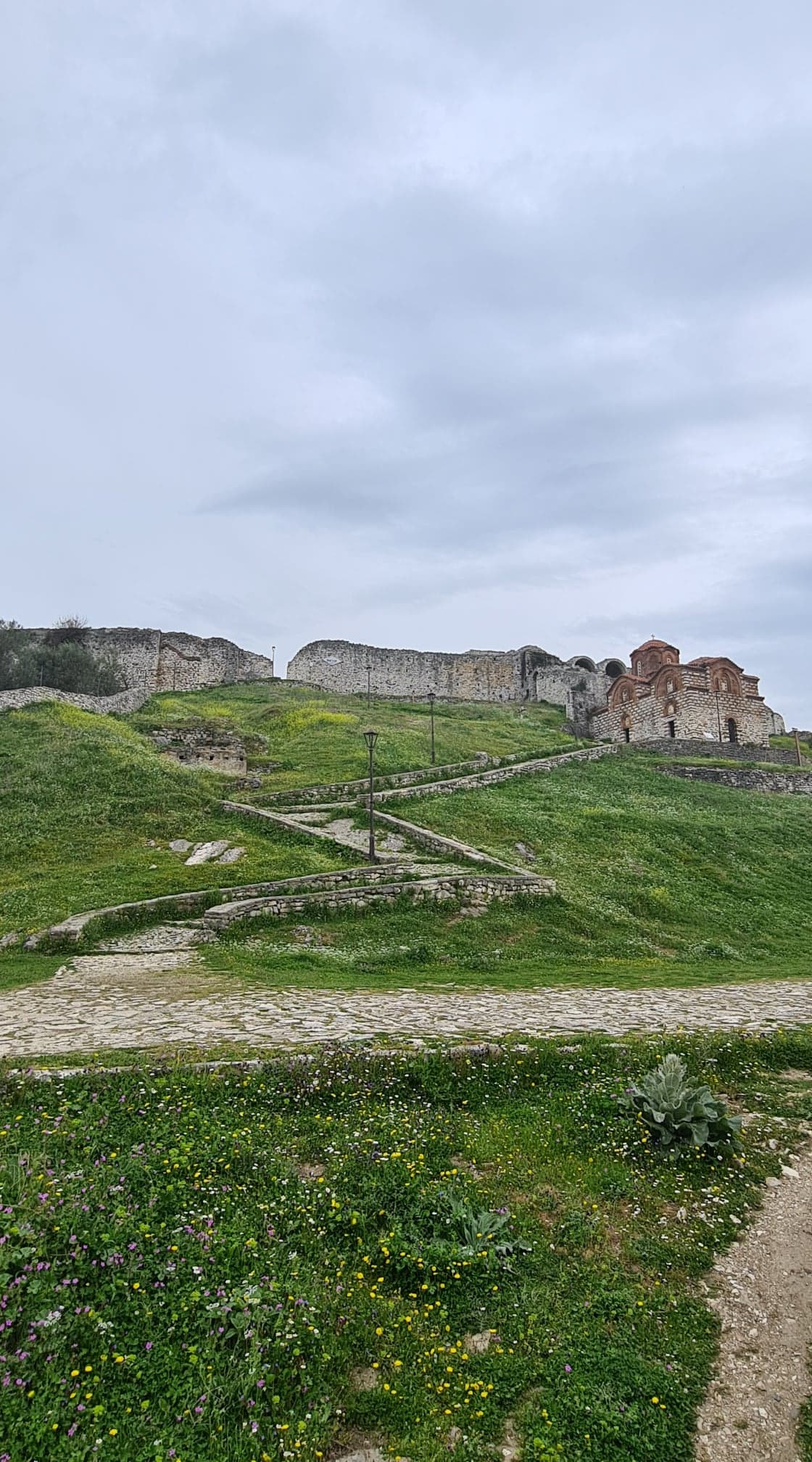
After we visited Berat, which was nice to look around but decided to keep moving.
BeratBeratBerat
We then went up the coast and made some great friends on the beach at Buona Vila Beach Bar (park4night location #90870). Highly recommend this location.
Buona Vila Beach BarBuona Vila Beach BarBuona Vila Beach Bar
Another place I would recommend is the Shpella Pëllumbasit cave up the road (near Tirana). This is the second best cave I have ever been in (number 1 is a cave in New Zealand). You can park at the restaurant for free. We had some food there after our walk. Remember a head torch.
The next main spot I would recommend is Bar Ledh near Shëngjin and the Lezhe District, just south of Shkodër. I have met a few people along the road and directed them all to Mario’s (Park4Night #144655). This is a great, free, location and also where we picked Alba our street dog up from. You can read about how to adopt a dog off the street here.
Bar LedhBar LedhFirst photo of Alba
The next stop on our route was Theth. After a lot of research we found that the road there was now tarmac which was great news, as without this, it would be near impossible, or just very slow!
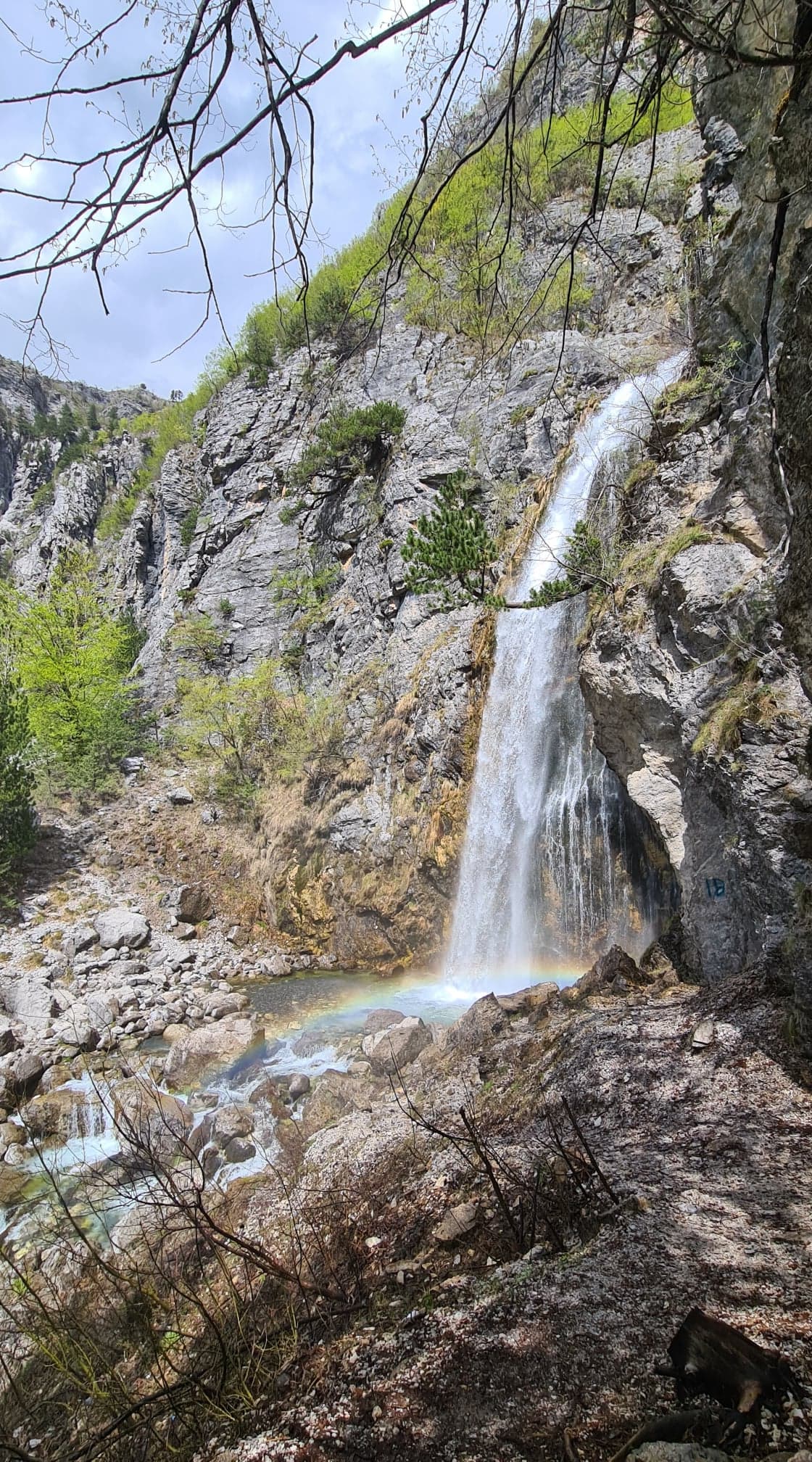
ThethGrunas Waterfall, ThethTheth
We stayed here for a few days exploring some of the hikes and then went want to Shkodër to get Alba vaccinated before heading out to Montenegro.
My top tips:
Eat Trilece for dessert
Adopt a stray dog, or at least bring dog food to feed them
In no particular order here are our favourite places we have visited whilst exploring Europe and the Balkans in our campervan conversion, so far. (We are only half way through out trip!)
1. Gjirokaster in Albania
Gjirokaster CastleGjirokasterVodafone Tariffs
This was our first stop in Albania coming in from Greece. We had no issues at the border, they checked the back and saw it was just a camper. We stopped to get a Vodafone sim card and had the best moussaka in a little restaurant. The old town up the hill is full of character and a walk up to the castle is a must. Parking for groceries in the new town is a bit chaotic so would avoid.
Sanctuary of Santa Eulalia de MeridaSanctuary of Santa Eulalia de Merida
We really enjoyed the Sierra Espuña because it was the greenest place in Spain that we found. The trees were all cut down to build the armada but they have been replanted in the 19th century by Ricardo Codorníu, a local philanthropist who also got the nickname of the Tree Apostle. I have to say, the area is flourishing! Despite the lack of rain last winter. This place is great for hiking and biking with the best coffee at the monastery where you can sleep overnight.
This is a great little communal spot, every time we have been here we have made new friends. There are many places to park and loads of old military building to explore. Prevlaka, meaning portage, came under the Austrian Empire rule in 1813 where they built a fort, which you can un-officially go in. Then Nazi Germany took over during WW2, you can still walk through the communication tunnels today!
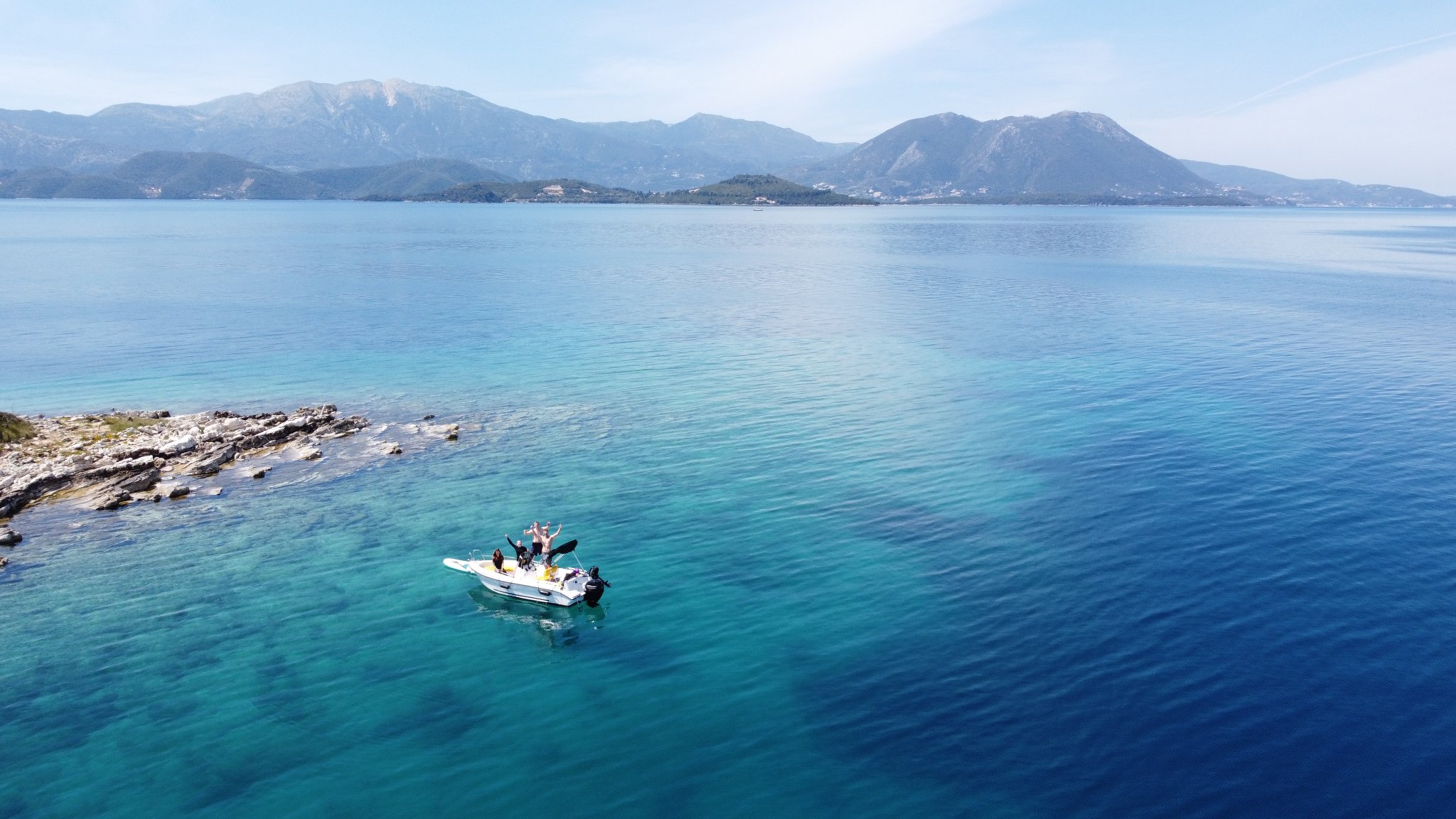
Lefkada in Greece because of the stunning scenery. On this island you can hire mountain bikes, boats, hike down a gorge or go for a massage. We did all of the above and it is all within about 45 minute driving distance.
Here was a great place to visit when exploring Durmitor National Park and the surrounding areas. There are lots of hiking and biking in this area and the park up spot is next to an abandoned ski lift, it’s pretty cool. It feature in our monthly travel video below.
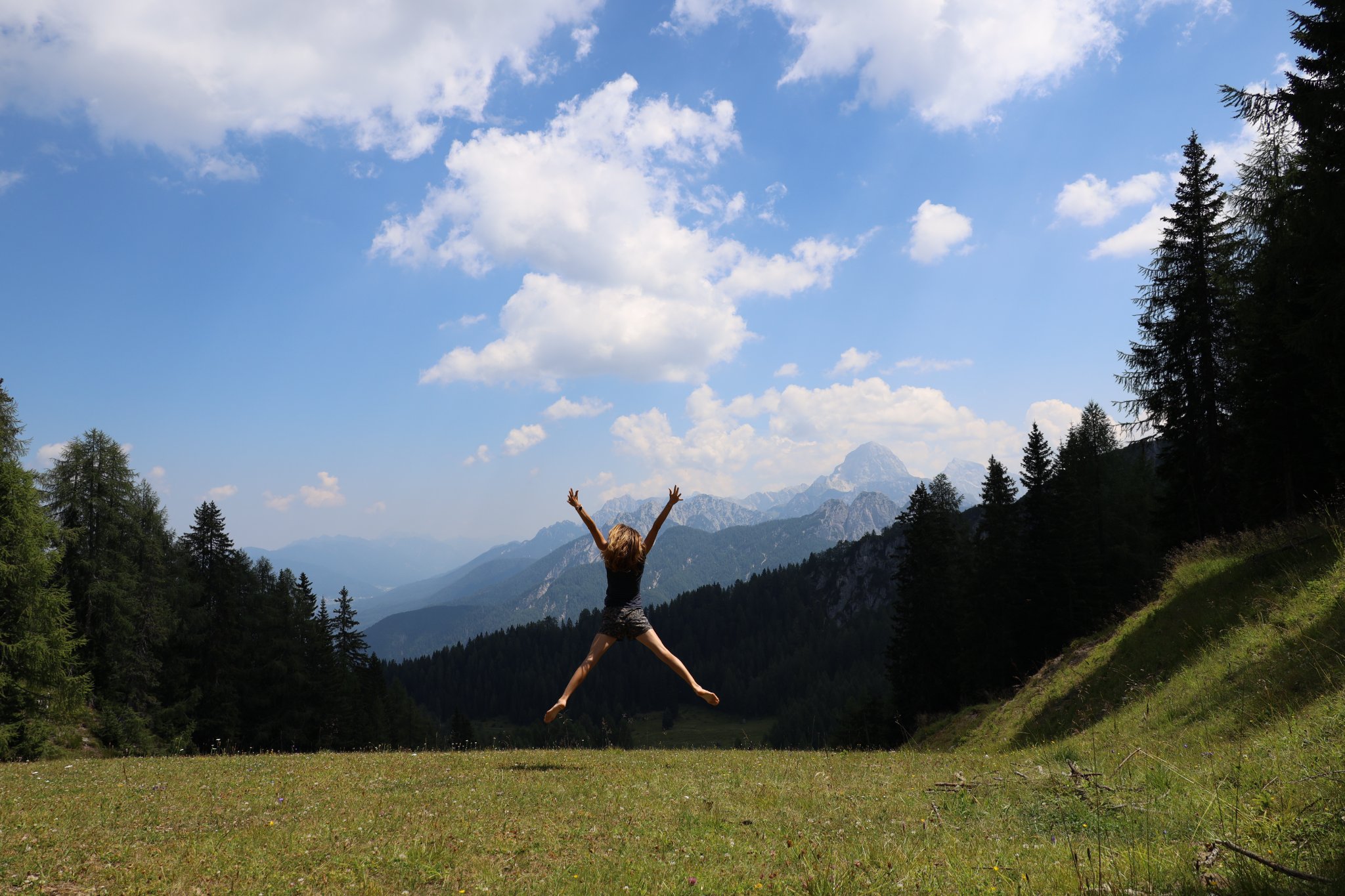
Tarvisio in Italy because of the mountains. You will find that it is hard to park in the neighbouring Triglav National Park so why not head to the other side of the border where you are welcome and the locals are so friendly. There are cafes to relax in, mountains to climb and the best thing is that there are loads of cable cars to get you to up to the ridge line and so you can do the more interesting sections of the walk instead of getting tired zig zagging up the hill or following the ski tracks.
A land of beautiful, yet somewhat inaccessible mountains.
I initially thought that hiking in Bosnia and Herzegovina was dangerous, but have found out that the areas which still have land mines are well marked with a red skull and crossbones. If you see any other red marking on the route (flags, sticks or general make shift signs) other than the red circle route markings, then be wary. There are still land mines around from the Bosnian War between 1992 and 1995, which lead to this country having the worst land mine contamination in the world, but don’t let that put you off! There are some great hiking routes in Bosnia.
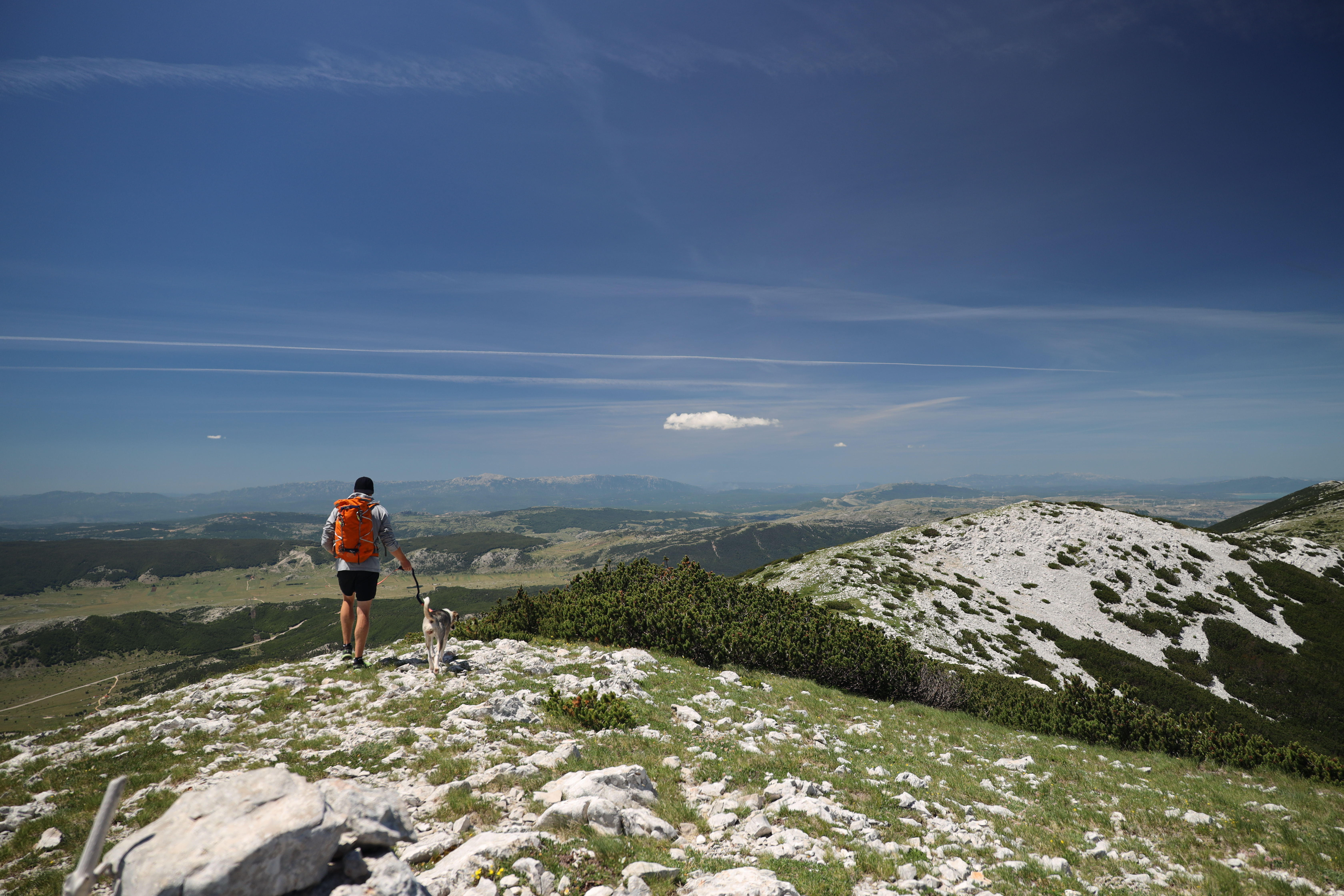
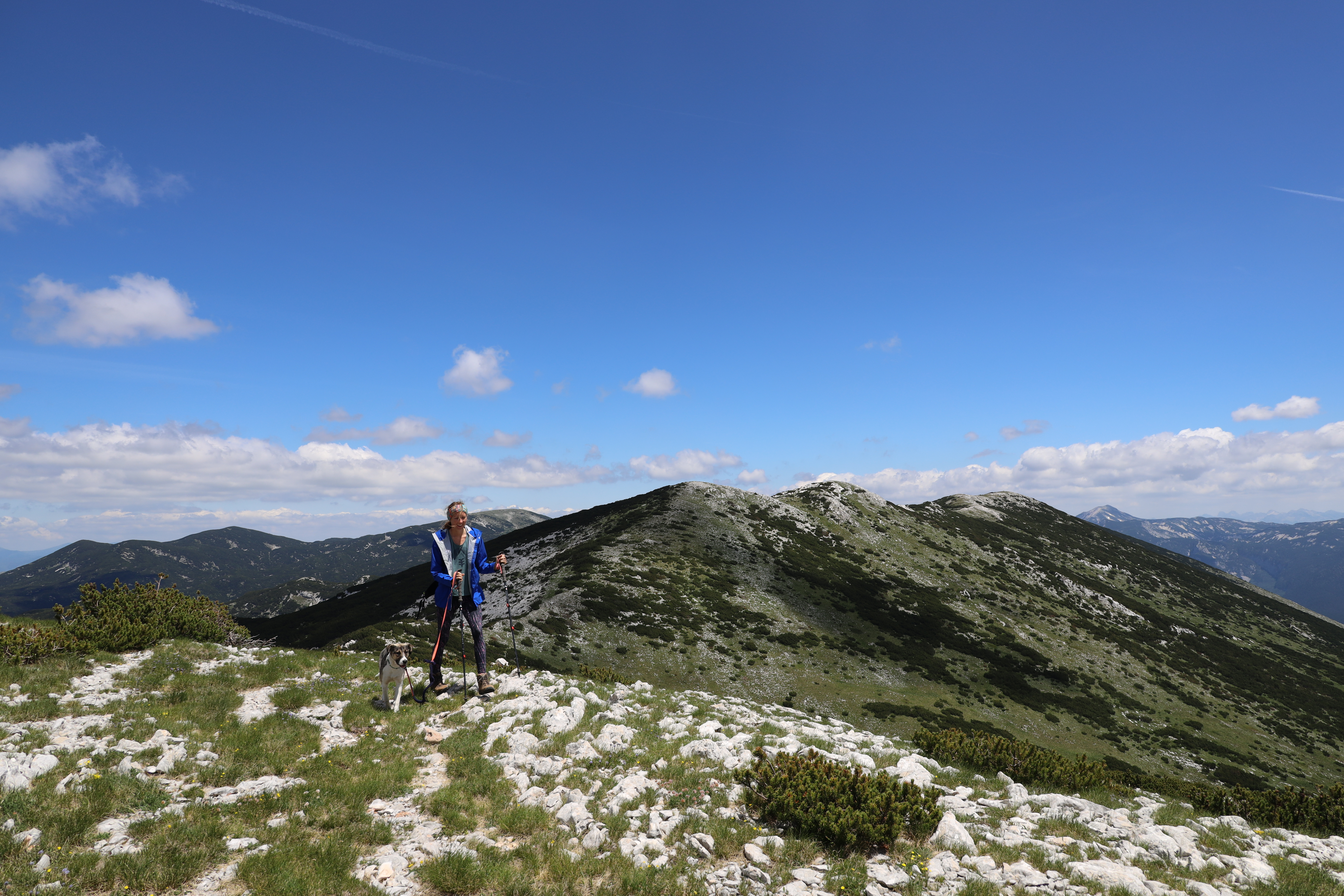
Here is a comprehensive list of the best hikes in Bosnia and Herzegovina and from an app we use which has an offline feature, OutdoorActive. This is the route we took up Vran, 2020m in Blidinje Nature Park, which encompasses part of the Via Dinarica, a route that takes you from Slovenia to Albania.
Some other great location to go walking are near the capital Sarajevo, Mostar and Lukomir. The only mountain region which you need a permit for hiking is for Preučica, one of the last of two remaining primeval forests in Europe, found in the Sutjeska National Park in Bosnia’s oldest national park. It is here that the highest peak can be found – Maglić, 2396m. There are many places to explore here, just make sure to do your research first.
Hiking in Blidinje Nature Park, friendly locals and a ‘your van will not restart’ message.
We decided to head into Bosnia for a few days and so we did that by entering at Gornji Vinjani, below Split, and we got ourselves a sim card at Digitrend in Posušje which had 4gb, for about €3. He tried to explain how to top it up but I didn’t quite understand so we just were careful with our usage. We had downloaded the maps before we went so didn’t need it too much.
Blidinje Nature Park
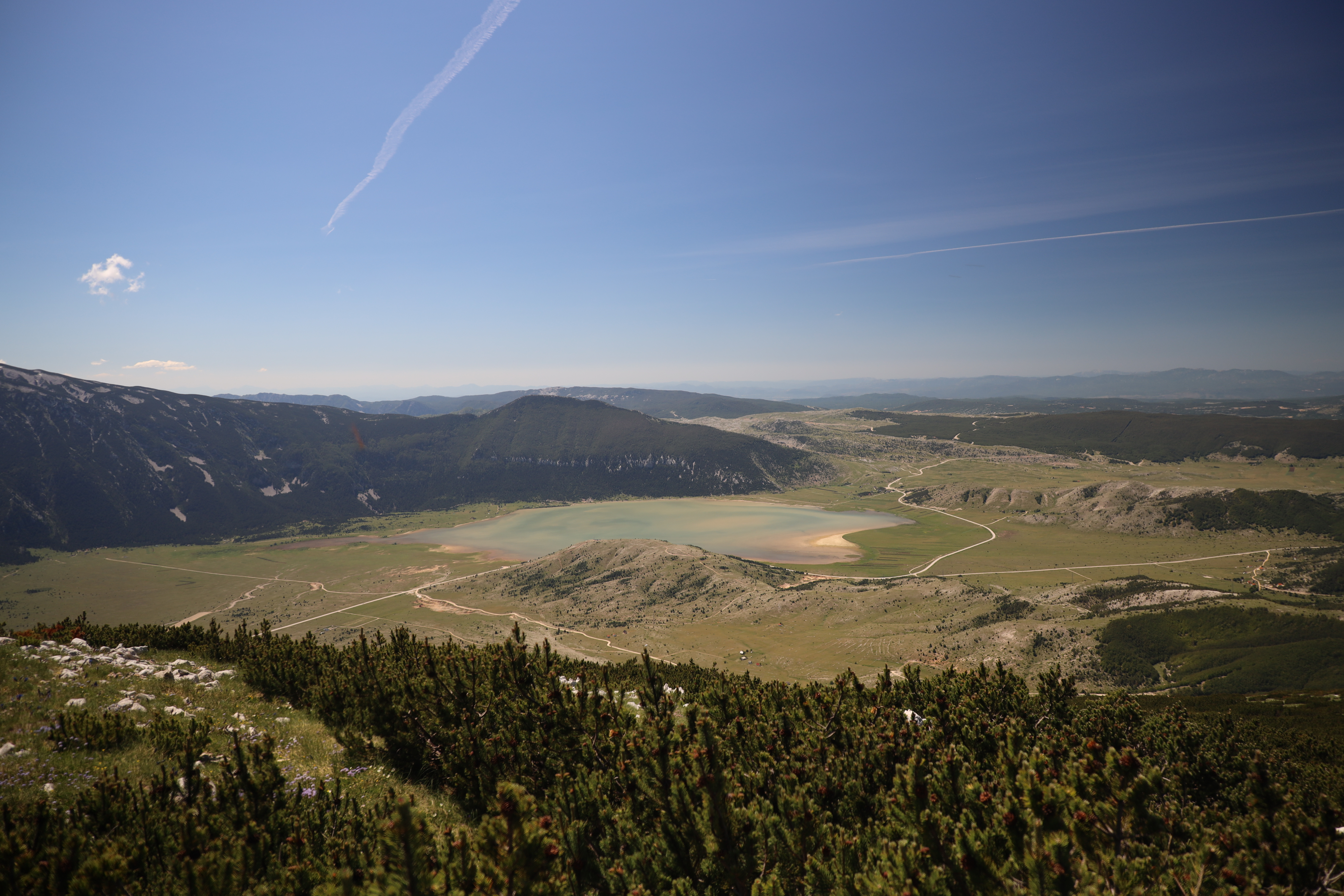
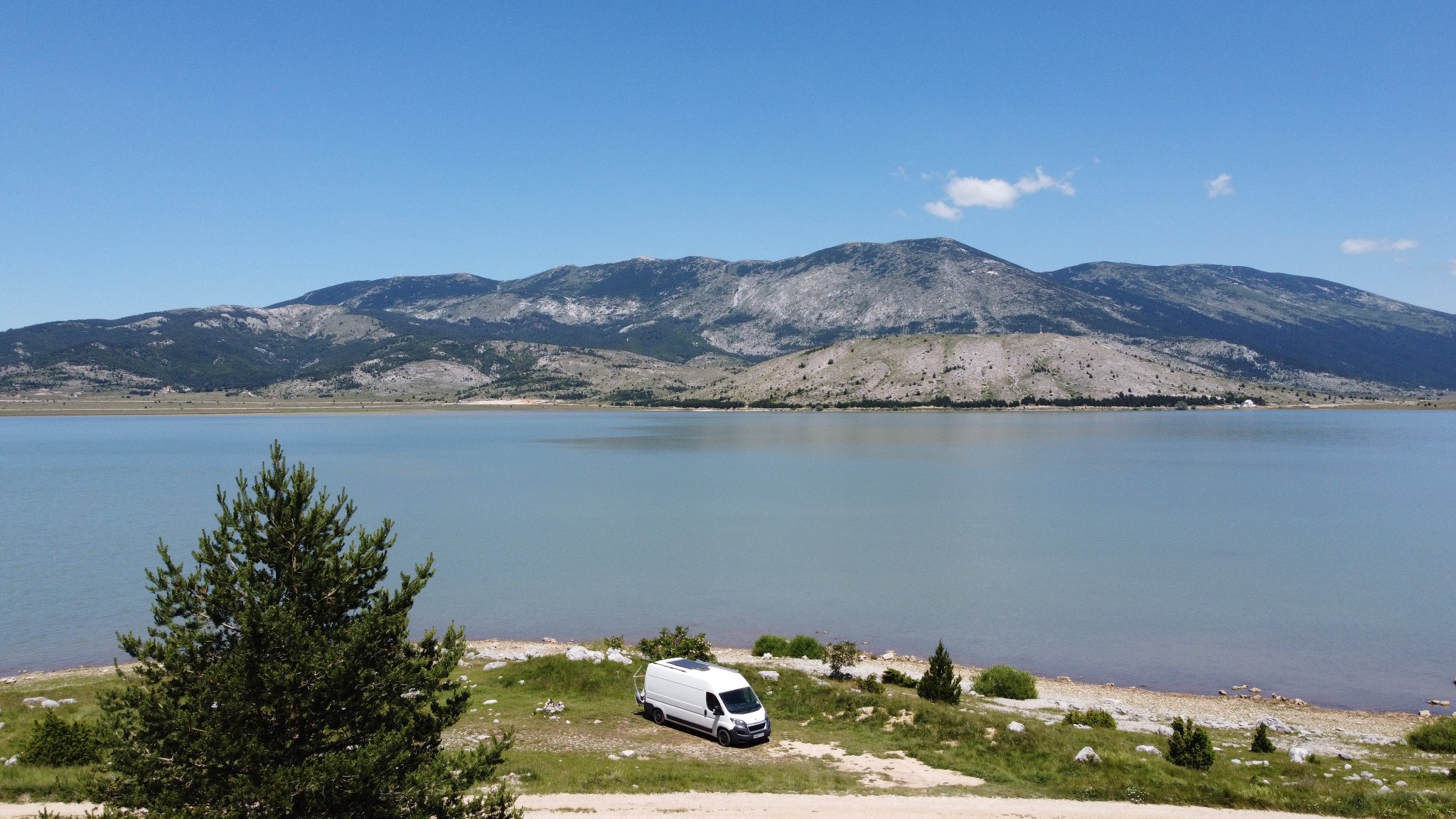
We hiked in the Blidinje Nature Park and stayed at this beautiful lakeside park up which does have some no camping signs, but there were loads of locals camping that weekend too so we thought it would be fine, and it was. The route we hiked was this route from Outdoor Active.
Hiking up Vran, Blidinje Nature Park
From here we headed north and stopped off at Jajce and Krupa Falls, a mini waterfall river where they use the falls for grinding corn and grain. We had a beer at the restaurant at the foot of the falls but Alba was in heat and the stray dogs were showing a bit too much interest, so we decided to go for a walk. En route, we met a lovely couple on our walk and they invited us in for a drink, with limited language on both sides we had a really enjoyable evening!
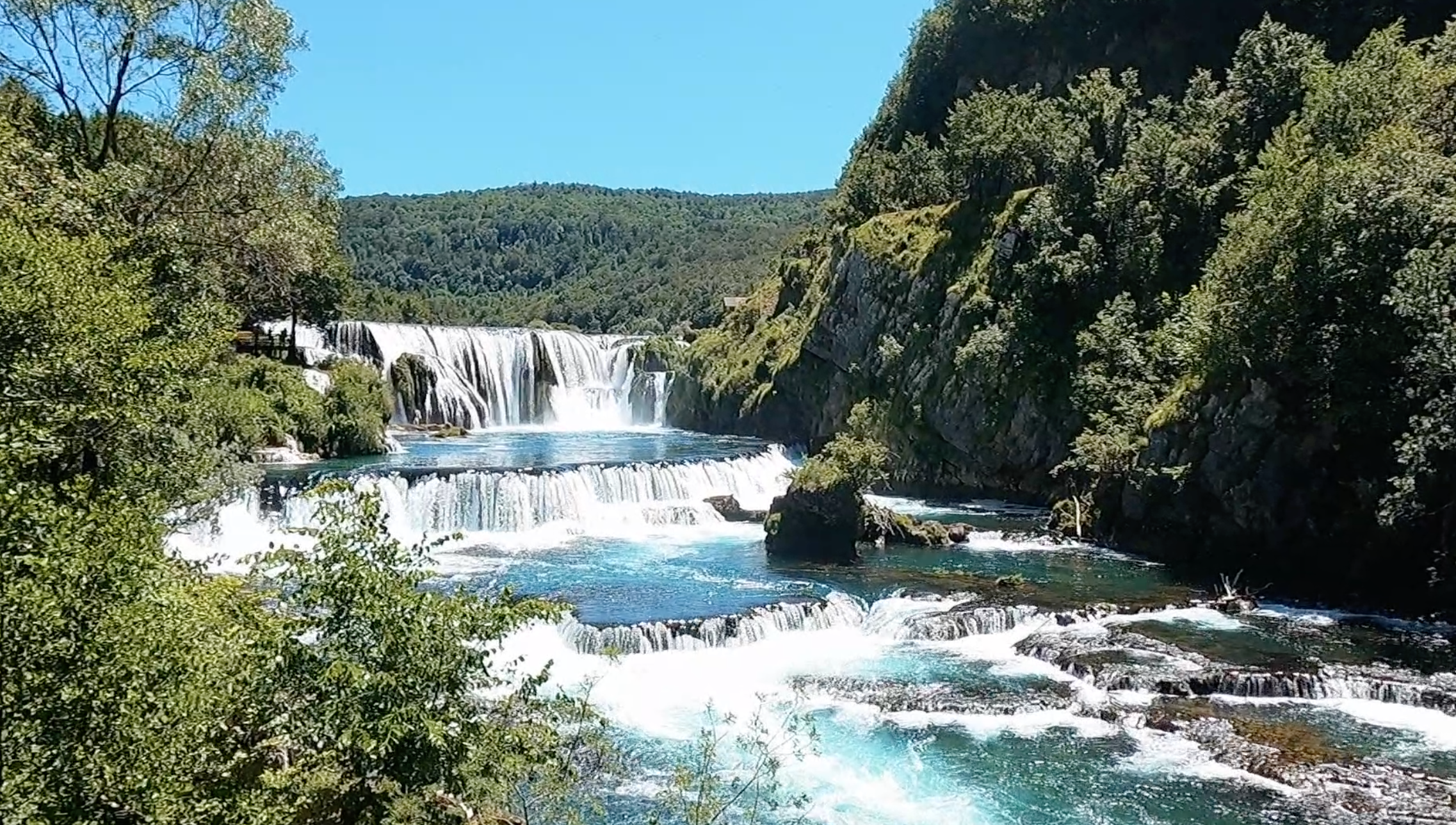
We then went to Una National Park, the entrance fee was a couple of euros each. You aren’t allowed to stay inside the park overnight. The parking in the whole area for staying overnight was a bit tricky. Don’t get me wrong there were some campsites available, but the temperature was getting 30c + and we needed shade! None of those sites could offer us shade, so we decided to head back into Croatia. Another reason we went back into Croatia was because we had a message come on the dashboard ‘vehicle will not restart in 300km’! The N0X sensor needed replacing, so we wanted to be in Croatia for that for insurance reasons! So we left at the Granični prijelaz Izačić border on the M5 with no issues or queues.
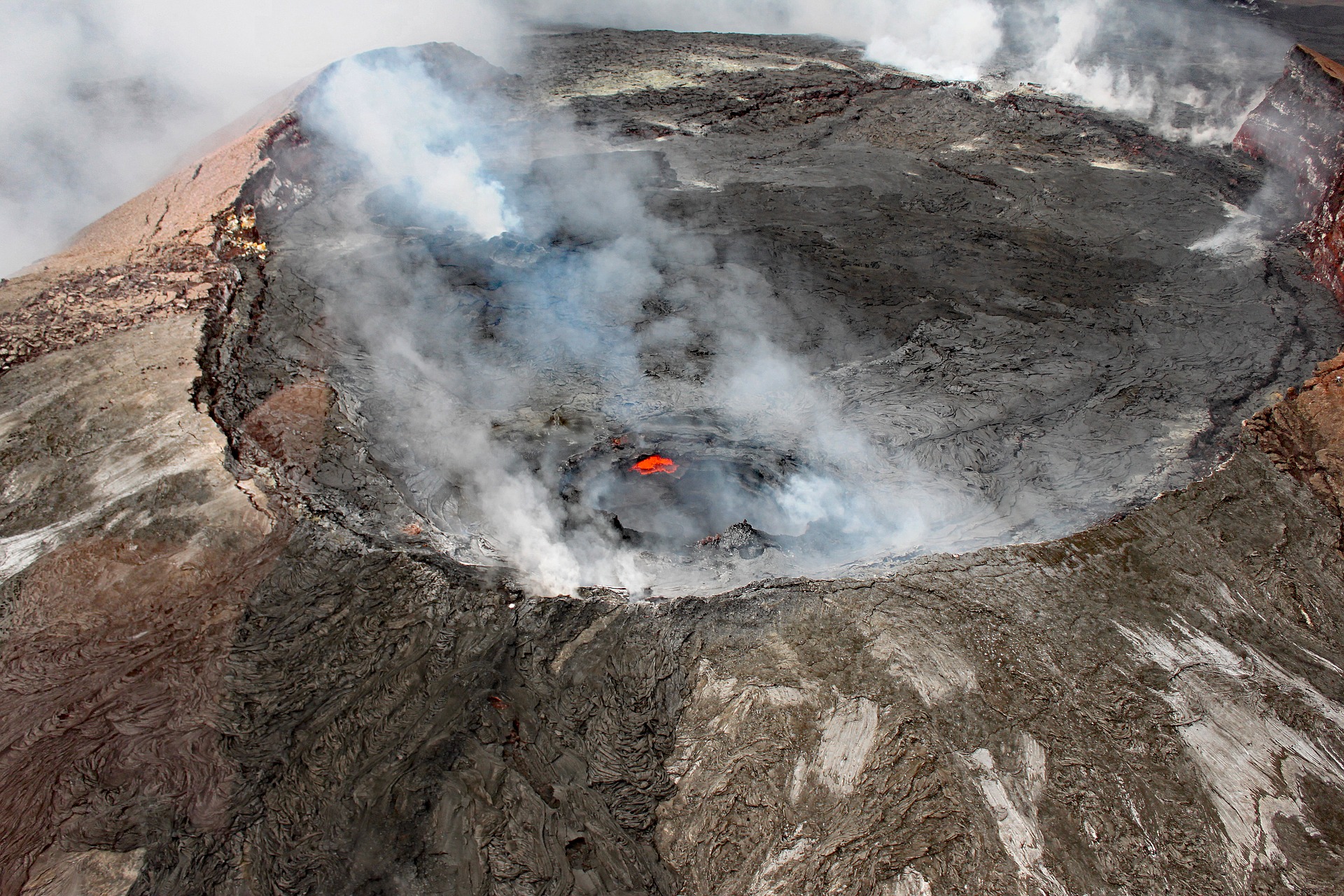
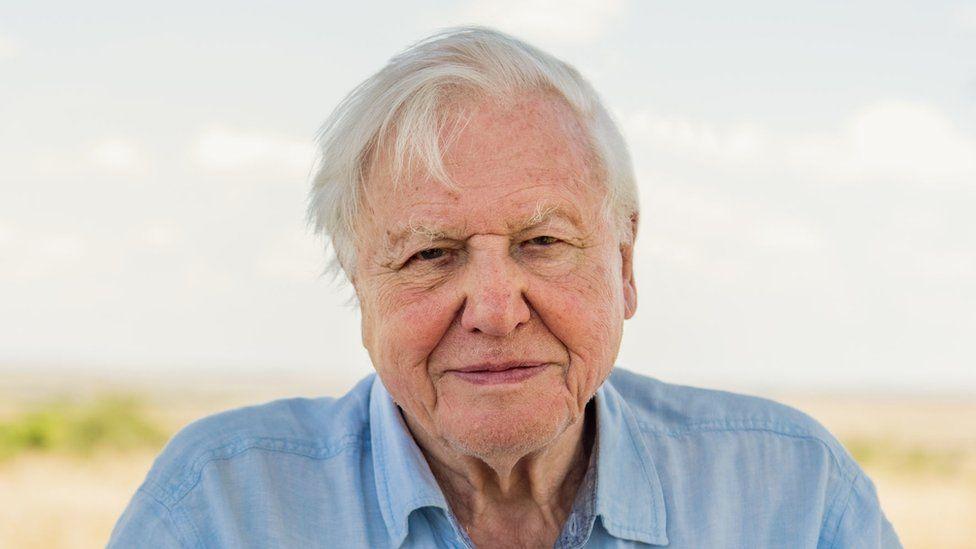
I am no expert on volcanoes in the slightest, but an interest sprung up, whilst watching ‘The Lord of Nature’, Sir David Attenborough in ‘A Perfect Planet’. I didn’t know that there were 1,500 active volcanoes and that the most active are in Hawaii.
Kilauea Volcano, Pixabay
I knew Mt Etna was still active and having seen it for myself on a trip to Sicily, I however wouldn’t fancy living underneath it. The first carbon dioxide was from volcanoes and this gas is the ‘foundation of life’, as Attenborough puts it, and rightly so.
David Attenborough. Credit Africa Press
Nor did I know that Volcanic islands make up 5% of the planet’s land, but are home to nearly 20% of the planet’s species and on top of that, a single ash cloud can carry billions of tonnes of minerals.
I went to Pompei and could see for myself that land around the volcanoes are some of the most fertile, it was an experience to go there and see Mt Vesuvius peering at you in the distance.
Pompei with Versuvius in the background. Pixabay
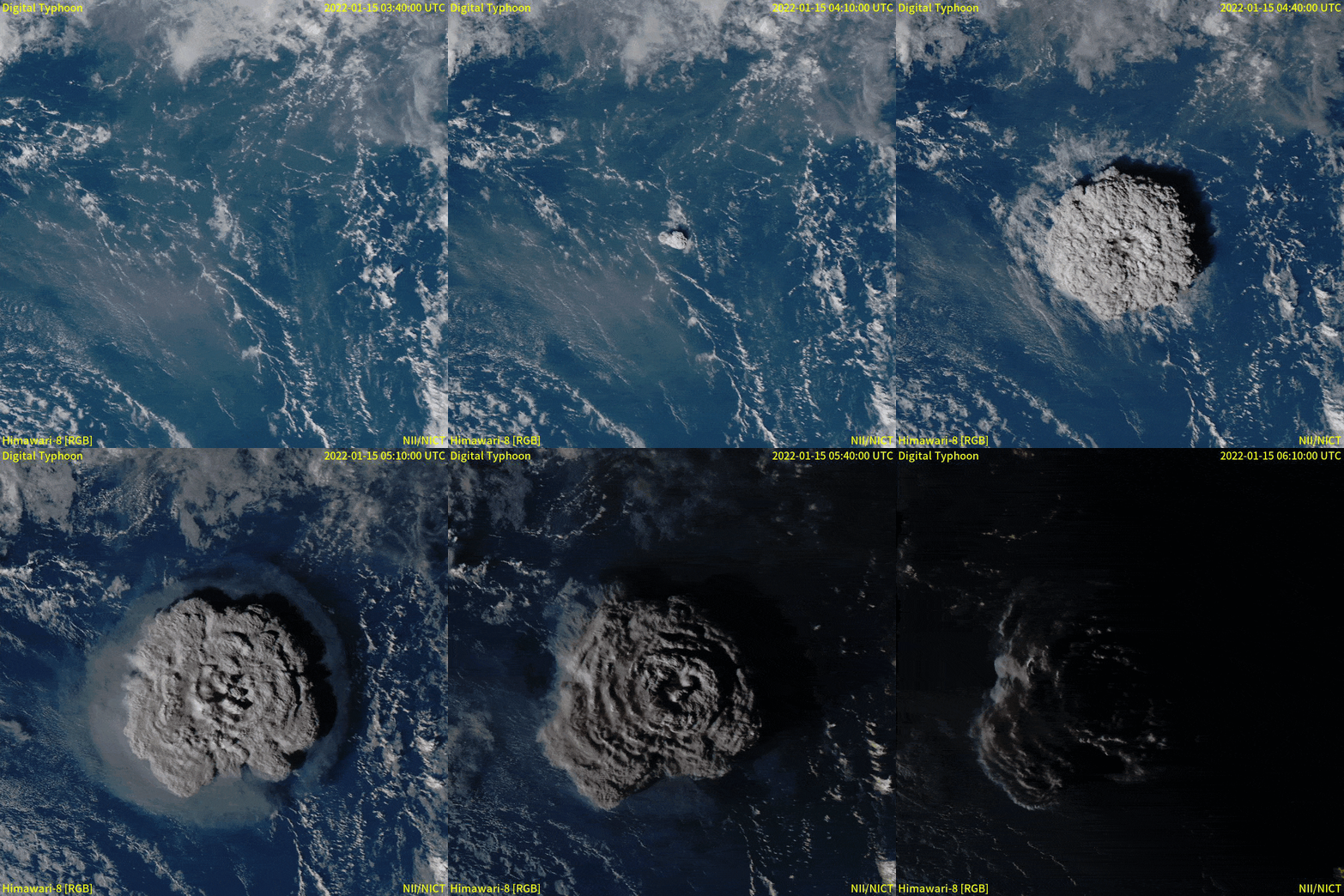
So far in 2022, there have been five big volcano eruptions (at time of writing in August). Those include, Mount Bulusan in the Philippines in June where an ash plume rose up 500 meters covering local communities. Then in January there’s Hunga Tonga, a submarine volcano in the Tongan archipelago which is one of the largest eruptions ever recorded and the largest in the 21st century.
Mount Bulusan in the Philippines
The Hunga Tonga eruption rose more than 30 miles above the earths surface creating atmospheric shock waves that reached 720 miles per hour. The fastest speeds ever recorded in our atmosphere! It not only created a tsunami thousands of miles away killing people in Peru, but Nasa has found that the effects also reached into space creating unusual electric currents and strong winds up to 450mph.
Hunga Tonga
Then in March there was Mount Merapi at 2968 meters high on Java, one of the most active out of more than 120 volcanoes in Indonesia where lava avalanches and hot clouds reached up to 5km, but luckily there were no casualties.
Mount Merapi and Mount Seremu. Pixabay
The greenhouse properties of Co2 have kept our planets atmosphere stable and warm but now, humans release 100 times more carbon than all of earths volcanoes combined.
The quote which I want to leave in your minds is one from Sir Attenborough himself “humanity itself has become a new kind of supervolcano”.
Some food for thought.
PHOTO: MINT IMAGES/GETTY IMAGES
Hawaii Mauna Loa Volcano Diary
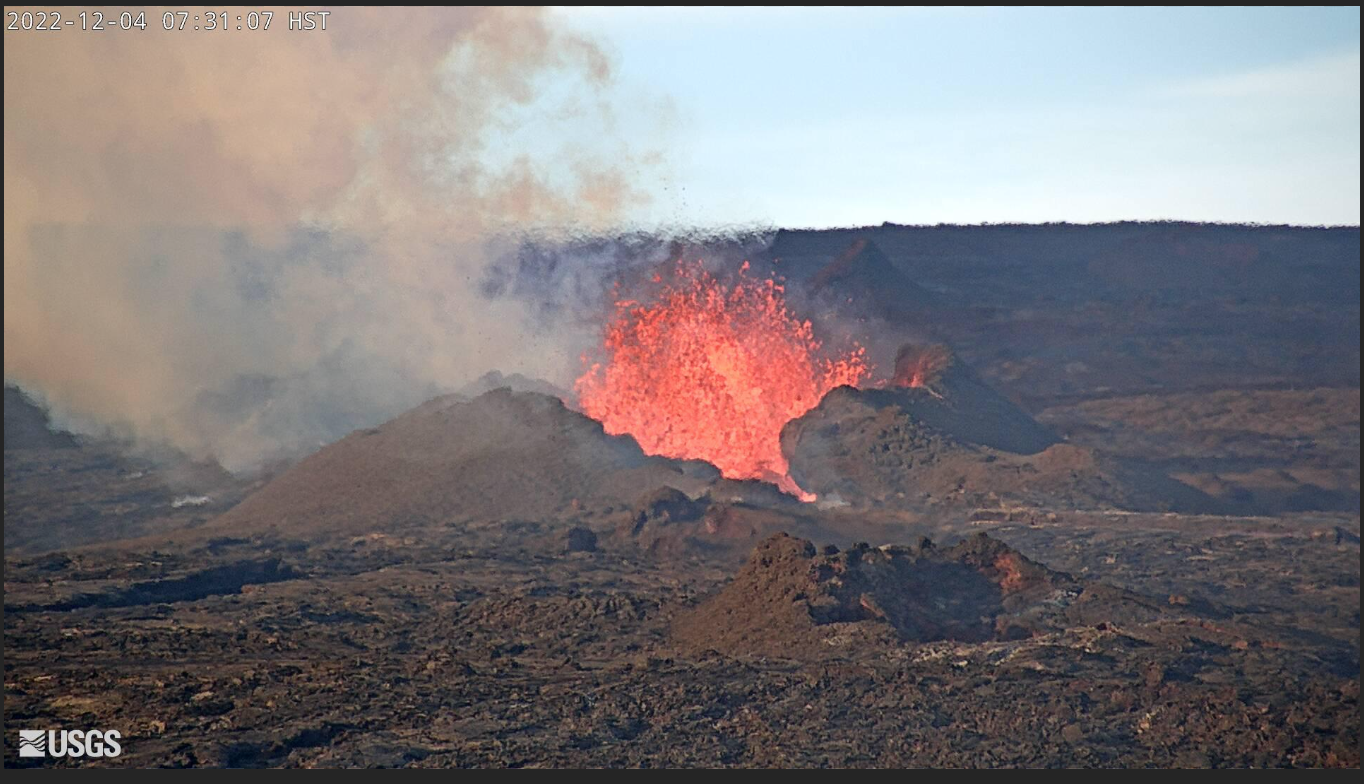
Recent activity on Hawaii’s Mauna Loa Volcano, the worlds largest! The volcanoes in Hawaii are unique as they do not sit on a tectonic plate boundary unlike others..
October 2022 Update: Recent earthquake activity is currently occurring on Hawaii where the volcano Mauna Loa is situated. There have been between 5 to 10 earthquakes a day since June, and over the past few weeks that number has gone up to 40 to 50. Something is going to happen, but when…
November 2022 Update: There have been about 50 earthquakes in the last 24 hours around Mauna Loa. The local defense has issued a yellow alert. More information can be found here: https://www.usgs.gov/volcanoes/mauna-loa/volcano-updates.
December 2022 Update: It has happened! For the first time in 38 years, the Mauna Loa volcano erupted on the 28th November 2022. Lava shot up to 148 feet and has travelled 40 feet per hour. BUT ALSO nearby Kilauea volcano which has been erupting slowly since last year. Surely the two are linked. In addition, there are volcanoes currently erupting in Alaska too, but I’ll save that story for another time.
The aim of this essay is to analyse case study material from an established expedition and evaluate the performance of the expedition in one specific area.
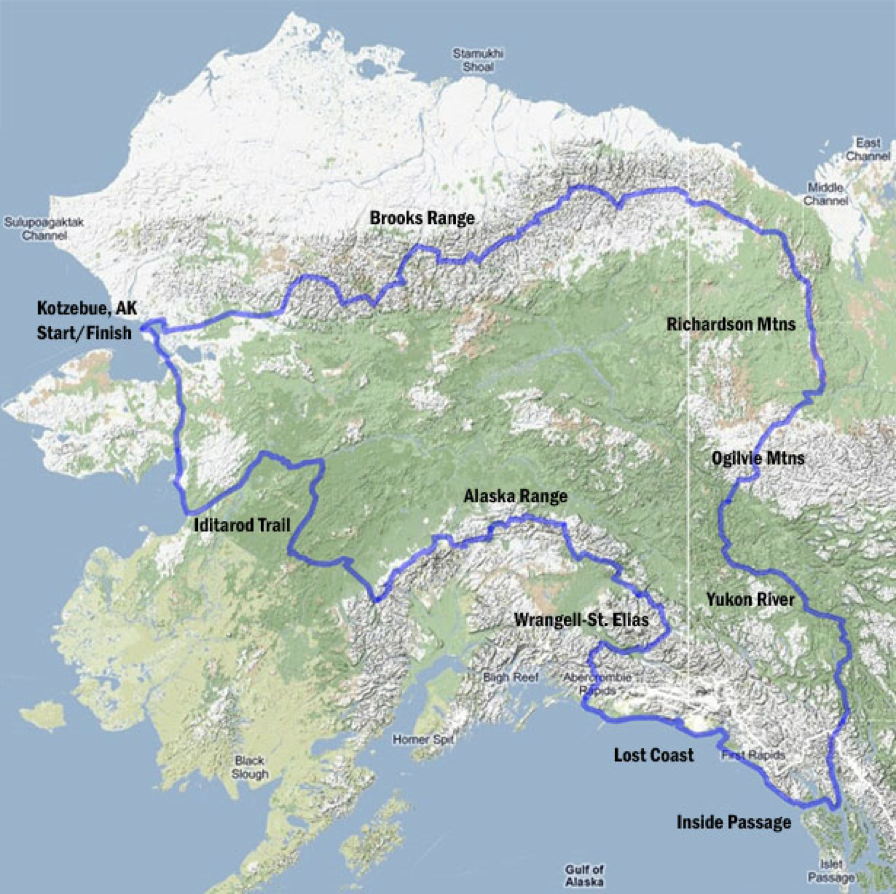
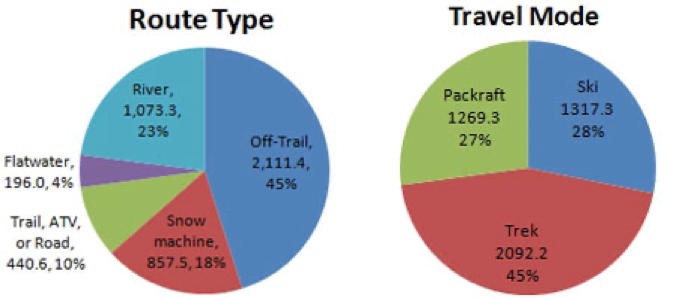
Andrew Skurka received the Adventurer of the Year Award in 2007 and since 2002 has completed about a dozen solo expeditions. It was his Alaska – Yukon Expedition (AYE) that caught my eye – he was the first person to have done it. This expedition lasted for 176 days starting March 14th and returning on the 5th September 2010, during which he travelled 4680 miles by skis, on foot and on a Packraft. His aim was to traverse the Alaska Range and Brooks Range in one trip. He describes this as wanting to achieve an “exceptionally unique, rewarding and challenging experience”.
I have chosen to write about this expedition because I am very interested in that area of the world and how different the seasons are, compared to here in England. I like the fact he has three main ways of travelling, adding a bit of variety and giving me more to look into regarding his kit list and how he packed. I like the way he documented his journey, buying a new camera along the way, keeping in touch with loved ones and fans whilst out amongst the mountains. The fact that you can do that with today’s technology is just fascinating.
Credit Andrew Skurka
I am interested in gaining new experiences, travelling and documenting them along the way; something I have done before and want to carry on. Therefore, by choosing an expedition where the main aim is to go somewhere never gone before, the ethos between us is the same. In an online interview he was asked would he go back? His reply was that it was very beautiful and really enjoyed it, however, as his life goal is to gain many new experiences then no, he wouldn’t go back. This I agree with, hence why I am especially intrigued by the Skurka AYE Expedition.
I aim to assess and evaluate the factors affecting his choice of equipment, one of the most important elements of planning under technical leadership skills. I will look into how having the applicable knowledge reinforced his planning strategies and techniques. This will take into consideration the packing aspect and whether being sponsored altered his choice.
Although writing about this expedition may be limited by the fact that it hasn’t been established for long (at time of writing in 2010) which means I have no academic material to look into, I have two main information sources; firstly I am in email correspondence with Skurka himself and secondly, the internet. Skurka kept a blog whilst in Alaska. He updated it often and also, interlinked with the National Geographic set up a blog where the public could send him questions. This, I think, was an important aspect in keeping his morale high as he was travelling solo.
As this expedition finished earlier this year (at time of writing, 2010), there is currently limited written material about it. There will however be an article about it in the March 2011 issue of the National Geographic magazine. I will be using expedition handbooks to look at advice and applicable theories. The internet provides blogs from Skurka whilst out travelling and his personal website provides a lot of information about planning, including a gear list, food advice and a final itinerary. I also found out his mother played a big part in his expedition and I can use her as a source too.
The objective tests Technical, Interpersonal and Meta skills, which every good expedition should. As he is travelling solo I feel the Interpersonal skills needn’t be evaluated. Regarding Meta skills, he did encounter problems and had to use his perception skills to get through, however, I am looking into the technical skills needed for the expedition, as this has many fundamental values which I can explore. The specific area I will assess will be whether the fact he was sponsored limited and deterred his choice of gear or whether this was beneficial to him, also if he would have preferred another brand. I will look into what his gear means to him, my main focus being how he decides what to take and what to leave behind. I feel this is important as the gear you take can be the make or break of an expedition.
Sponsors want publicity – when seeking sponsorship it is important to find the right company which wants the type of publicity you can generate, be it sales of the latest product or primetime television coverage. There are pros and cons with gaining a sponsor and I want to use Skurka’s AYE expedition to discover whether it has been helpful to him or not and whether it changed how he went about his journey. Commitment to the sponsor is a big issue, also there is a need for a unique selling point, as there is with the products you use, the food you eat and the same applies for an expedition.
Companies will only put money in if they believe they can get something out of it and there is every expectation that the expedition will be a success. Sponsors will be looking for two types of expedition; external, which involves high end publicity and internal, which is the test of a prototype. I plan to evaluate the planning phase of Skura’s latest expedition. He states that it took 12 months in total for the whole expedition – 6 months planning and 6 carrying it out. When packing you have to think about weight and whether you can get equipment which performs two jobs in one while retaining the high quality.
Skurka was sponsored by GoLite who provided him with equipment. He tells them what works and what doesn’t and from this, they develop a mutual partnership as they can then go on to design future products which could then make them a profit. This is important because these designs can then help with other future expeditions.
Staying comfortable on an expedition requires maintenance of homeostasis of the human body. (Long S, 2003) To achieve and maintain the correct temperature requires different types of gear, and this is where the layering system comes into play A dynamic equilibrium is held by consistent control and regulation of the body, the sensors we have notice the change within this regulated variable and the effector responses take the appropriate intrinsic or extrinsic action. (Jurd, 1997)
The physiology of the human body has given us hairs which involuntarily become erect and trap air when we get cold. The base layer is of most importance when energy requirements vary. Skurka carried two different types of pants, tights and base layer shirts. As materials have developed with hydrophobic properties and insulating synthetic layers it means that the shirts can be worn more often, meaning less equipment needs to be carried. The two shirts he used were not made by GoLite (his sponsor), however he found that they both had defining properties – the two tops were made by Ibex and Ex Officio, both long sleeved base layers. The Ex Officio top is designed with a very effective bug deterrent feature. He also chose an Ibex long sleeve top; because it was wool it was more effective in the cold and wet conditions, and the post trip comment for this was that it was most definitely worth taking. Having found that Ibex designed such a good piece of equipment, only time will tell to whether he will go back to GoLite and if they will design something similar. Skurka (pers comm. 2010) tells me that “I also try to find the companies that are willing to make the gear I want, if they don’t make it now”.
The backpack he chose determined the weight he was to carry – over the years he has decided to get lighter and lighter, with the repeated saying “Go Lighter” on his website, which also interlinks with a play on words regarding his sponsors, GoLite Ltd. The GoLite Pinnacle rucksack carries up to 18kg comfortably and has been ergonomically designed for long distance usage and winter conditions. At most Skurka carried 15kg during the late winter to spring leg of the journey. At the food depot there was another pack waiting for him along with the rest of his food supplies, and this was to last him for the summer and early autumn length. This pack was designed by ULA and was the prototype for 2010. Even though he is sponsored by GoLite he can still test out other companies’ future products – this is a good way of getting his name known and maybe for future expeditions ULA will be inclined to sponsor him. This suggests that because he has been sponsored by GoLite, he became a recognised explorer, thus opening more doors and giving him the opportunities to test out new products. The more “top of the range” products that will become available to him will gradually increase; this could result in the performance of the expedition escalating as new products reduce the limiting factors of an expedition.
Equipment choice for this expedition required a lot of thought, especially as it was such a long period of time that needed to be accounted for. In my opinion he travelled very light considering the time period and conditions he had to contend with. I think this is due to not only previous experiences, but what is available to him which otherwise wouldn’t be, for example the prototype ULA backpack. Skurka (pers comm, 2010) states “I try to be sponsored by the companies that make the gear I want” This tells me a lot of research and knowledge has gone into what he requires for this expedition to be a success. Skurka (pers comm, 2010) explained “I have never contacted companies like Gregory, Spyder, or The North Face – they don’t make what I want”. The sort of products he needs are high performance, top of the range and therefore costly; sponsorship and fundraising are two ways of acquiring the kit he needs. Skurka (pers comm, 2010) says “Having sponsors certainly improves the likelihood that my trip will be a success”…“I wouldn’t have all the top-of-the-line stuff,”
He had many advisors to help plan the expedition route, and advise on the environment and weather conditions – this all influenced his choice of equipment. The best way to find out about a new location is to ask others who have experience of the conditions. He contacted Professor Roman Dial who has explored Alaska and Ryan Jordan, a publisher and leading practitioner in trekking styles and technique. He found many Alaskan guides and adventurers who have all experienced not only living there but exploring the outback from a rucksack. They included people like Erin McKittrick, Bretwood Higman, Bill Merchant and Ed Plumb. It is ideal to get advice from a lot of people as each will have specific areas of interest, therefore increasing the amount of information you will gain.
Skurka had a kit list for which he wrote pre and post trip comments; this was a requirement of his sponsorship. His main aim when being sponsored is to test the kit – by looking at the kit list we can see that he has many critical comments about some of the gear he took. For example, the Solomon La Sportiva Fireblade shoe he found would be “near- perfect if a forefoot plate were added”, it is this sort of comment which would be taken forward and redesigned. I doubt this altered his performance, and also I doubt that he has worn these shoes on an expedition before. Also with his choice in ski boot, he used a Crispi Mountain 3-pin Telemark boot which fitted him well but was not waterproof and never dried out. It is a piece of equipment like this which can make the expedition less comfortable. He did ski for two weeks longer than expected which could be due to travelling less during the day and at a slower rate due to being uncomfortable. If the human body is put under stress or pain then it is inevitable that tasks take longer to perform.
On the whole Skurka benefited from the sponsorship as he is now able to get hold of some top line equipment which can enhance his performance therefore resulting in him being able to accomplish more with reliable gear. I therefore believe that being sponsored has become an advantage to Skurka. To me, it seems like there is no downside to being sponsored by GoLite for Skurka – he tests their products and gains equipment for more expeditions and in return they get a more thorough understanding of what is needed in the market, whether changes are needed regarding ergonomics, aesthetics and materials. Overall gaining a sponsorship has not inhibited the performance of this expedition, it has in fact, had a positive outcome. (2,188) References
I try to be sponsored by the companies that make the gear I want. I don’t get sponsored by a company first and then sort through their product list to find items that will work. This explains why I have never contacted companies like Gregory, Spyder, or even The North Face – they don’t make what I want.
I try to find the companies that are willing to make the gear I want, if they don’t make it now. Part of the benefit to them in working with me is that I put a lot of field time on gear, so I can tell them what works and what does not over the long term.
Having sponsors certainly improves the likelihood that my trip will be a success, though it’s a primary determinant. If not sponsored, then I would be paying for my gear, in which case I would probably be more cost-conscious – I wouldn’t have all the top-of-the-line stuff, and I probably wouldn’t replace things as often (e.g. shoes and socks).
Andrew
The questions were as follows:
What do you look for in a sponsorship regarding kit?
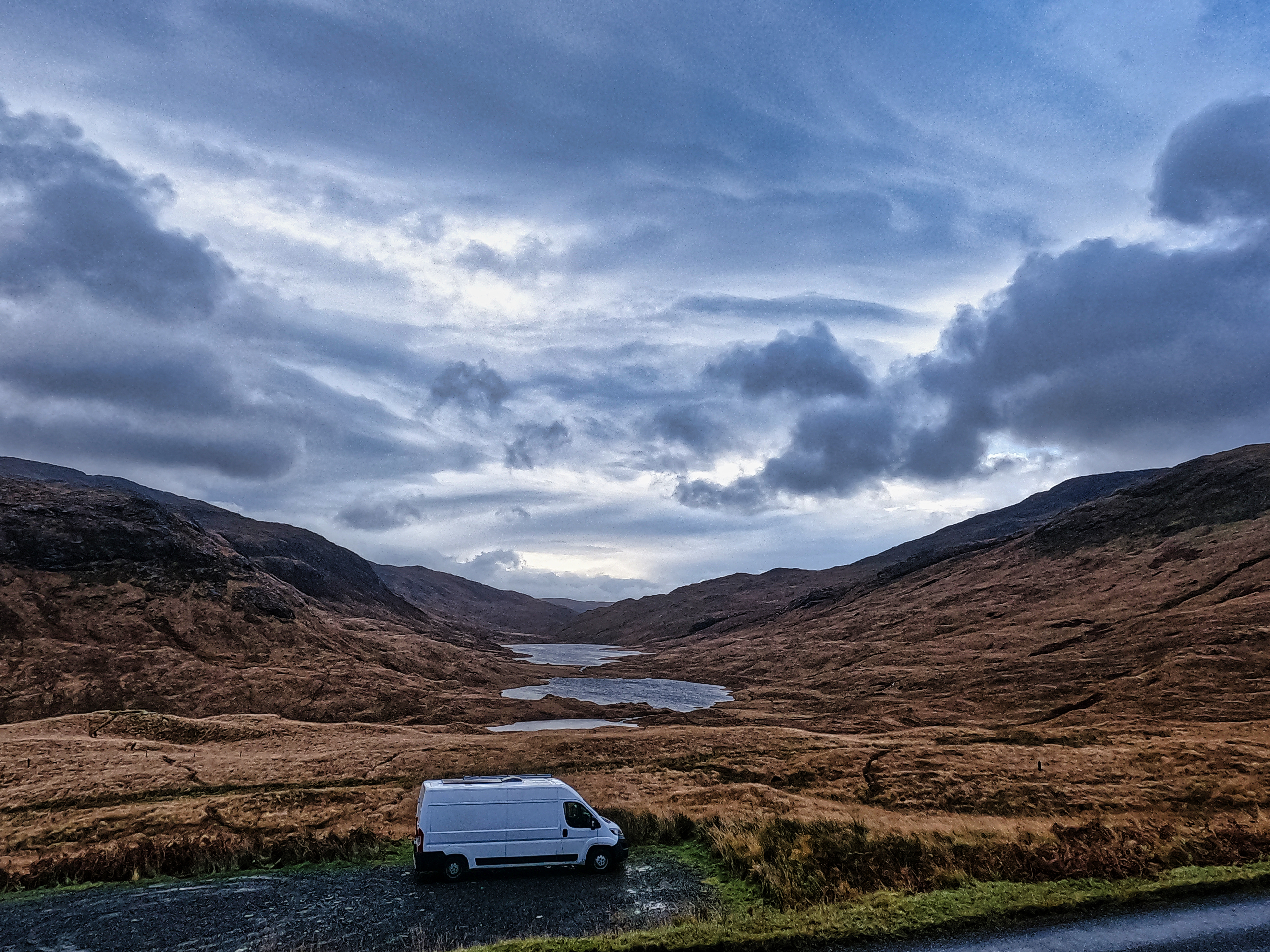
The Isle of Mull, home to the White Tailed Eagle, the second largest bird of prey in Britain and the second largest of the Inner Hebrides. We took the ferry from Oban to Craignure to see what it had in store for us.
Three Lochs Viewpoint
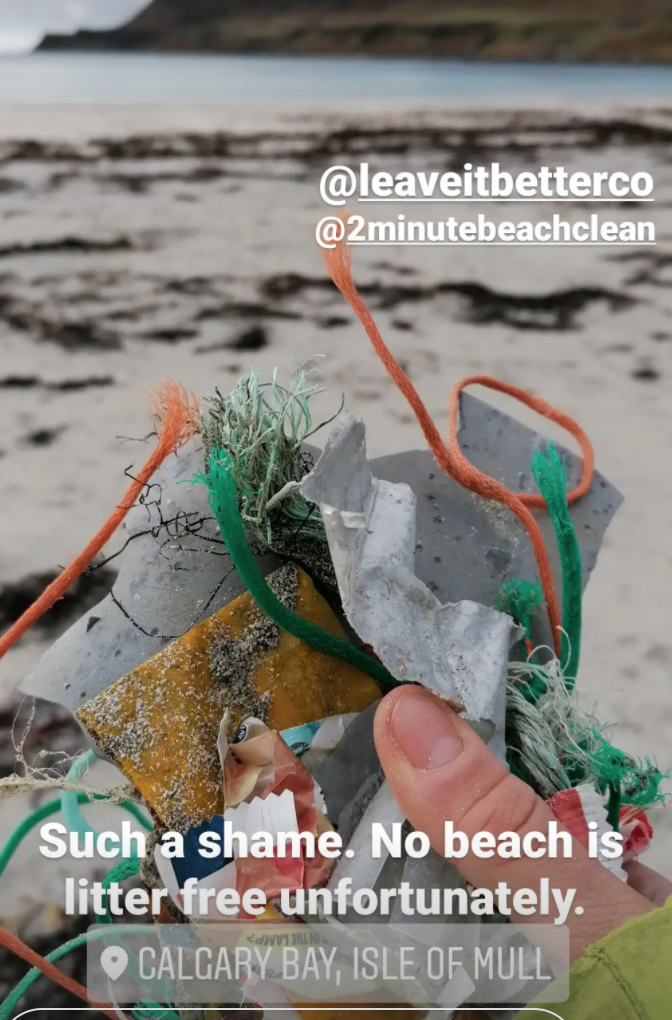
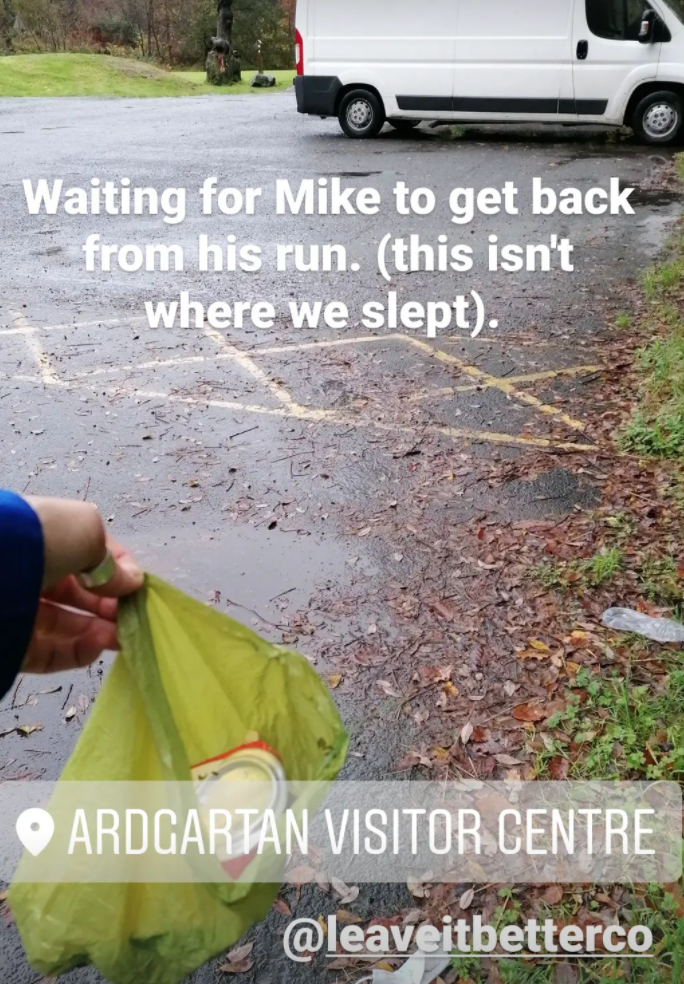
We are part of the Leave It Better Community who inspire and encourage others not only to leave no trace but to be pro-active in areas where they arrive, and we make it part of our travels to pick up litter in each car park we stop off, or beach that we walk to leave it better than how we found it.
There is an abundance of wildlife on Mull with over 250 species of bird. We saw a few beautiful red deer stags, one popped over the mound as we sat quietly waiting by the loch side to see an otter. He was being chased by a doe and nearly ran straight into us! It was magical watching him trot up the steep hillside and back into the woods.
One of the many Red Deer stags we saw
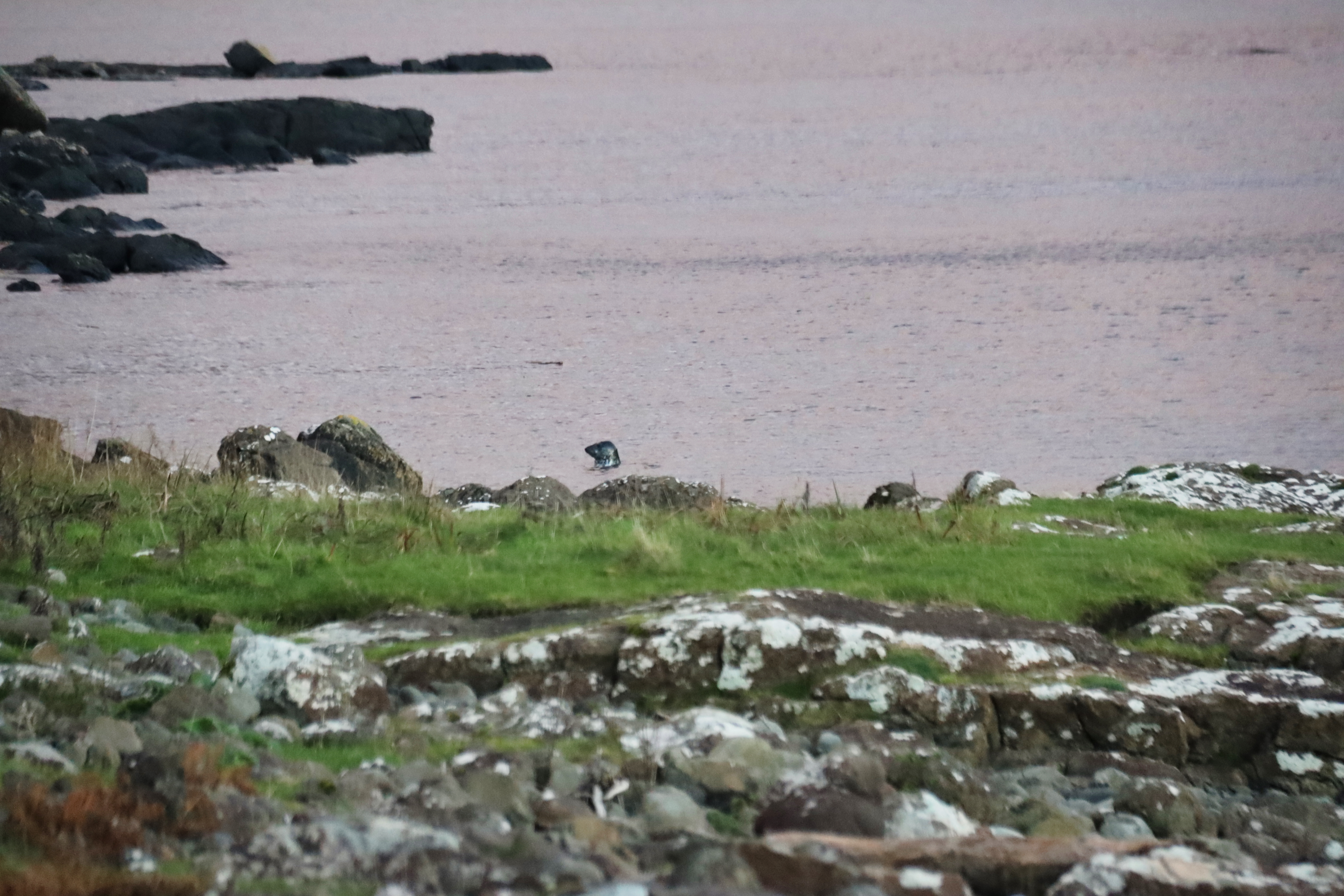
There are two species of seal on Mull, the Common Seal (Phoca vitulina) also known as the Harbour Seal, and the Atlantic Grey Seal (Halichoerus grypus) and both are found throughout the British Isles.
Common Seal in Calgary Bay
Calgary Bay is probably one of the most well known beaches on Mull and for good reason too. Apparently Calgary in Canada is named after Calgary on Mull!
Sunset at Calgary Bay
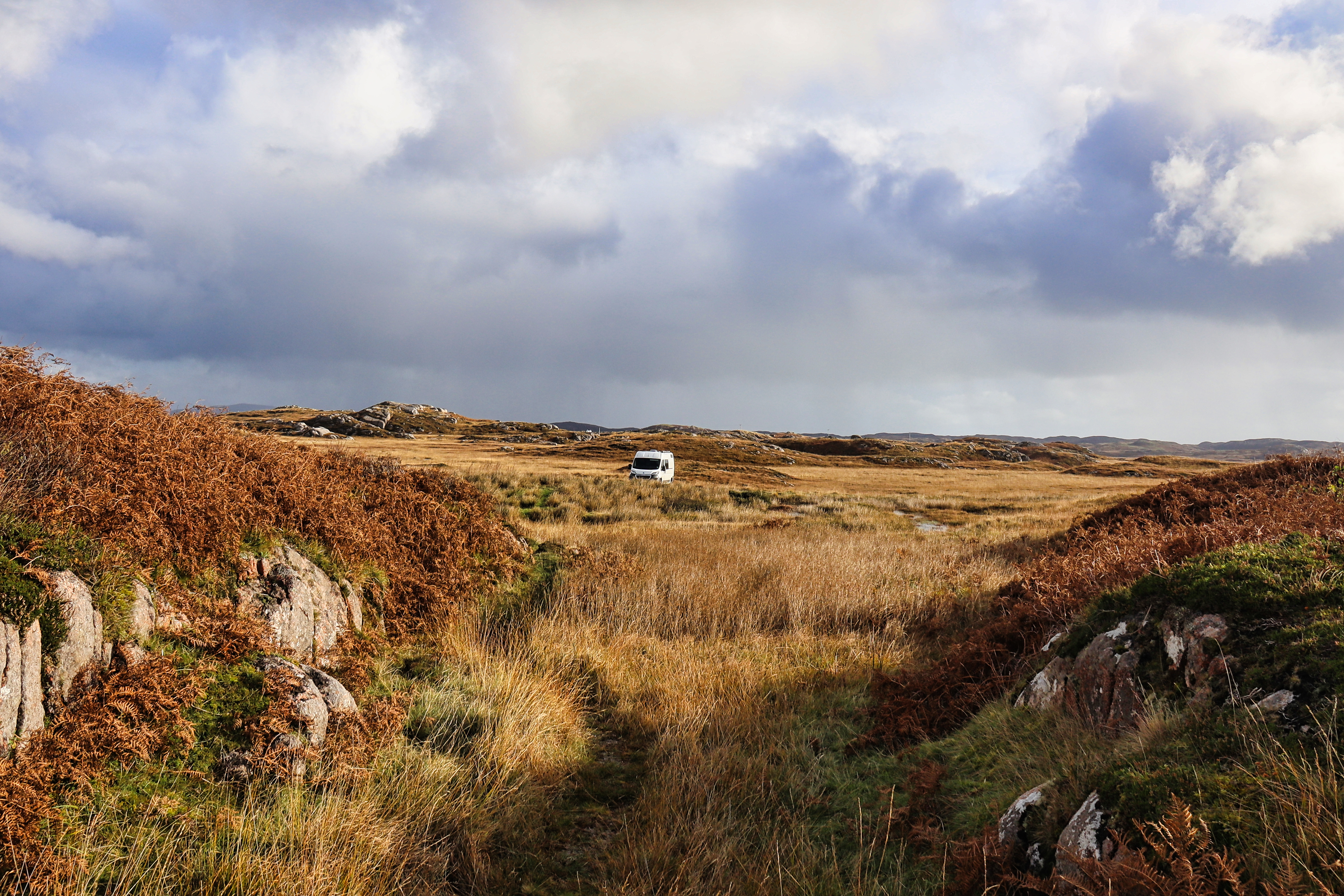
The best way to get to the Isle of Mull is the ferry from Oban. We didn’t book anything but we did go in off-peak season.
Isle of Mull
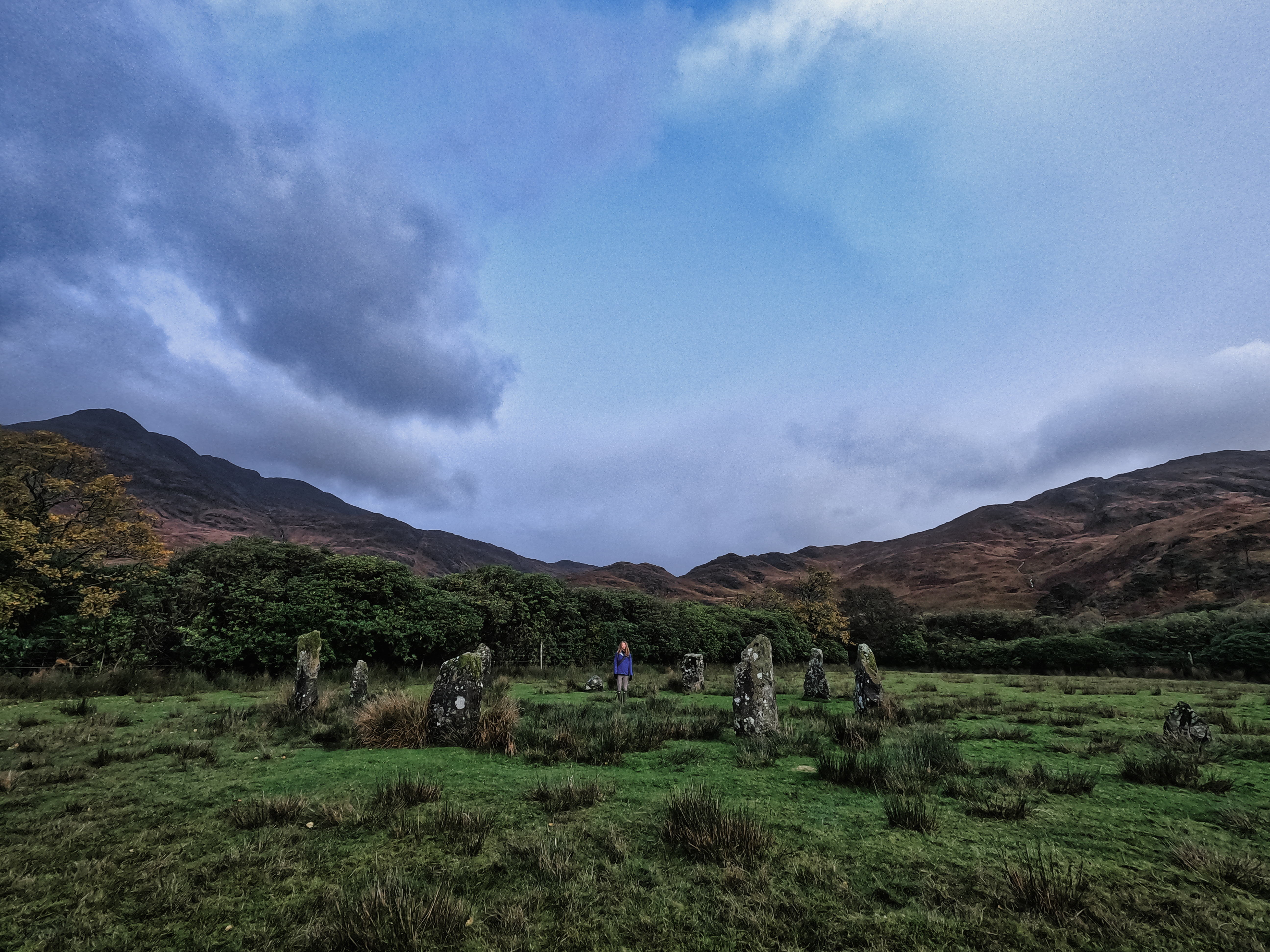
We were at Lochbuie Standing stones on Samhain, which is the day that marks the end of the harvest and the beginning of winter. It was very atmospheric.
Lochbuie Standing Stones
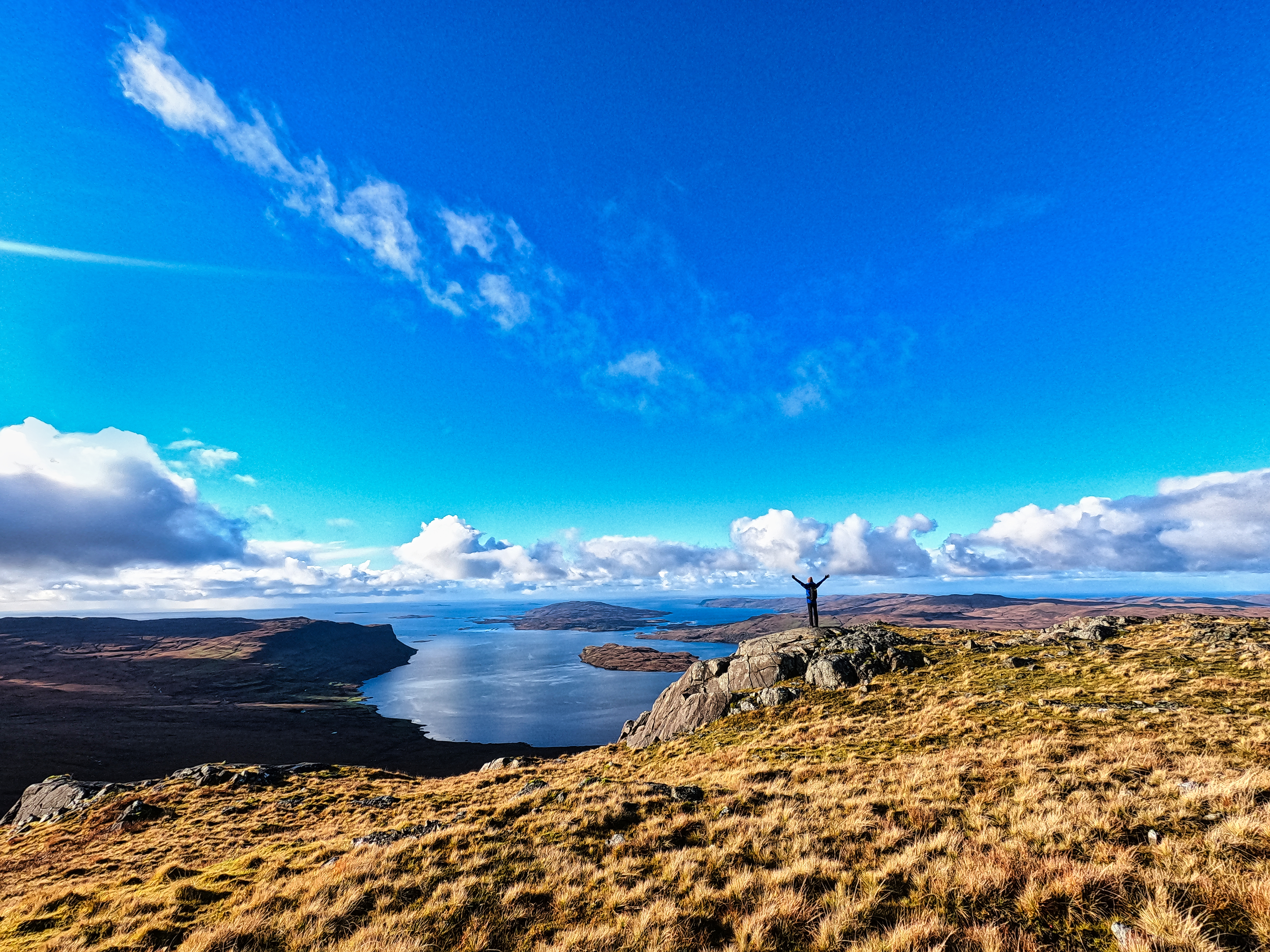
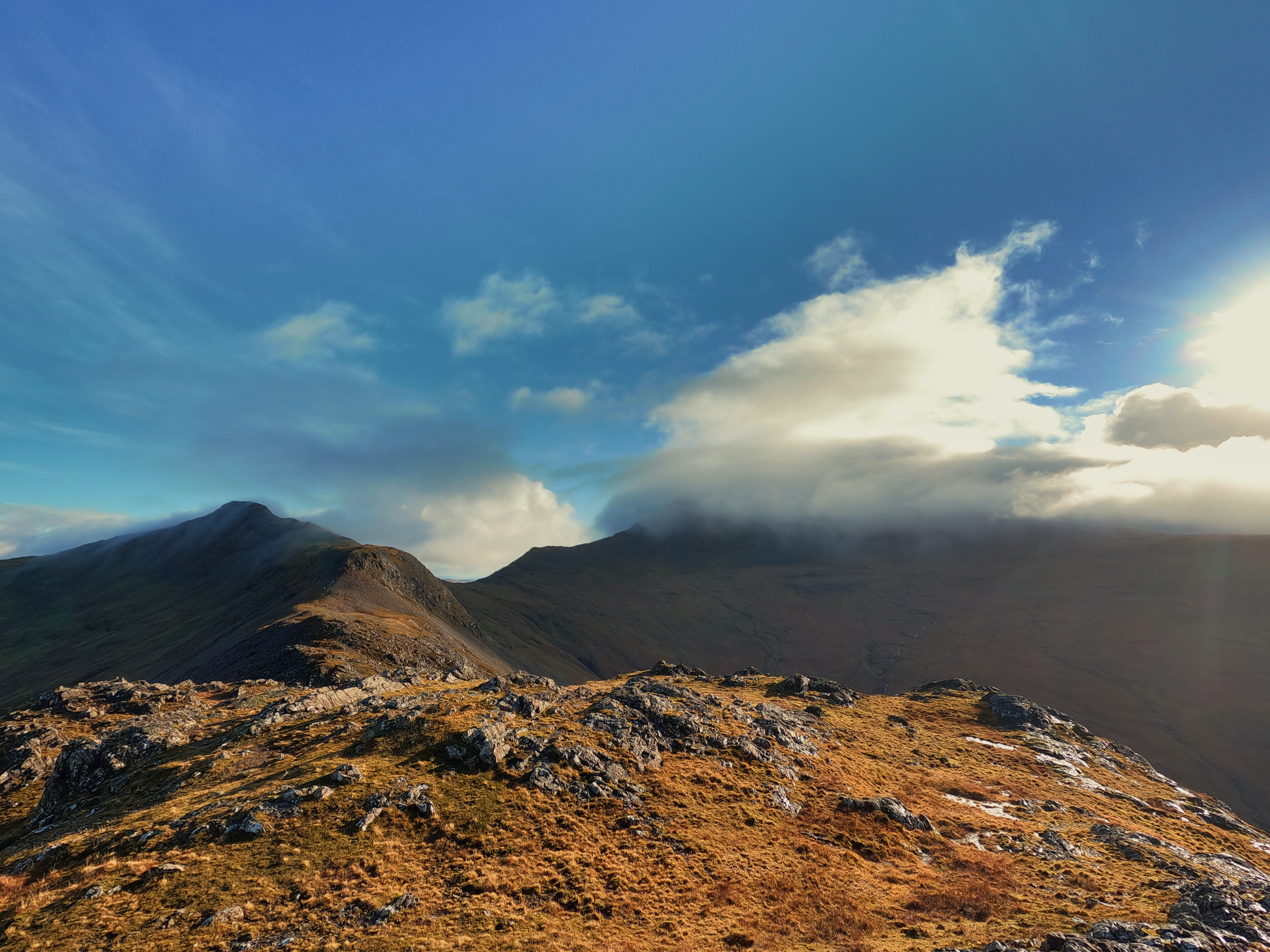
We found a route we wanted to do on Outdoor Active up Ben More, the only Munro on the island and a challenging hike. You can see the route here. It was a 9.5km walk which should take about 5 hours. On this hike we saw a Golden Eagle which I was most excited about.
View over Loch Na KealOverlooking Ben More
In conclusion, Scotland on a whole is a beautiful place to visit in a van, make sure you park properly and not in the pull over laybys! For some further information of course head to https://visitmullandiona.co.uk/.






























 Holly Brega