
Written by Holly Brega who lived in Ambleside during studying her BA in Wildlife and Media at the University and has been coming here every year since she was a child.
Ambleside: With an average of 180 rainy days a year Ambleside I have to say is most probably one of the best places to be based when visiting the Lake District.
Surrounded by mountains and close to England’s largest natural lake, Windermere. This old market town is home to one of the campus’ for the University of Cumbria where students on Outdoor degrees are based.
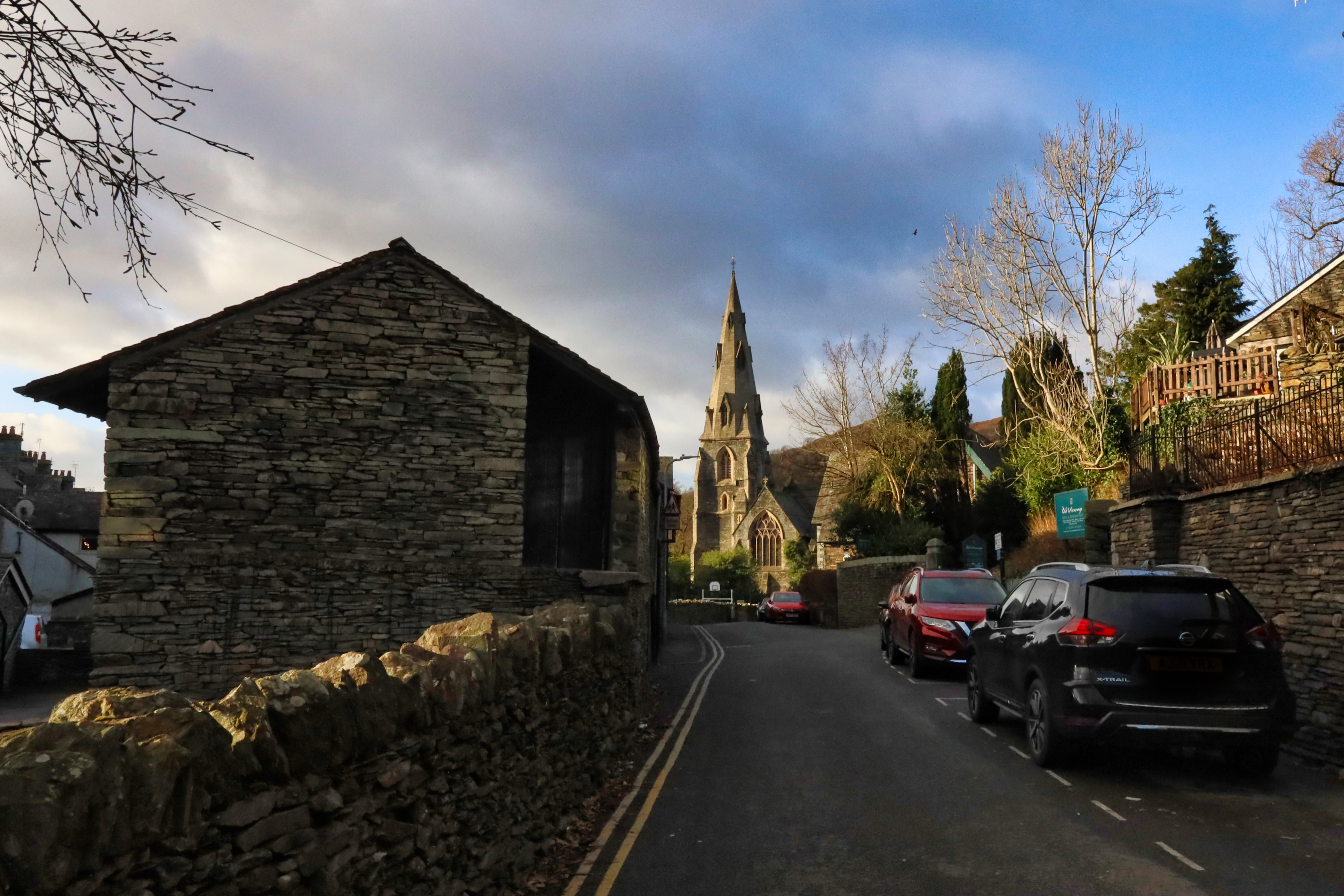
500 million years have produced this landscape, and more recently as the ice melted at the end of the last Ice Age about 12,000 years ago the climate grew warmer and plants began to grow. Most of the land here was then covered in forest and over time the neolithic people set up permanent homes (around 4,000-2,000 BC).
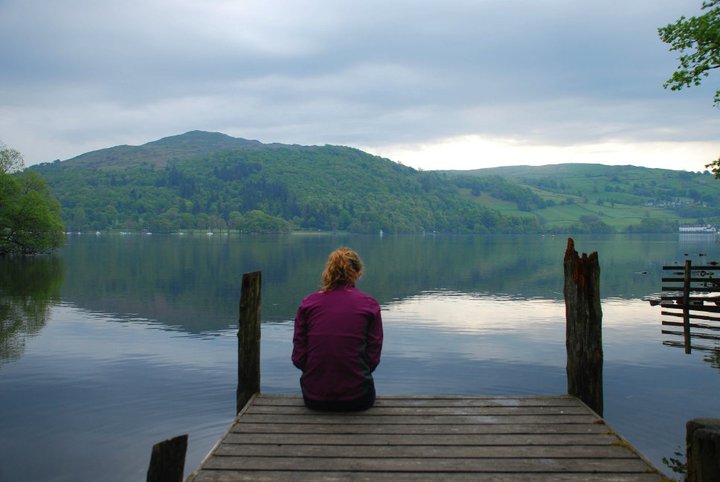
The land of Helvellyn and Fairfield are some of the most important areas for arctic alpine plants in the whole of England. Plants include saxifrages and downy willow. Damage mainly occurs with walkers and climbers, however there are many companies working on reducing footpath erosion in the Lakes.
The Pale Tussock is part of the moth family, Erebidae. They are common throughout England and Wales in particular Cumbria and they prefer to live in bushy places like woodlands and hedgerows.
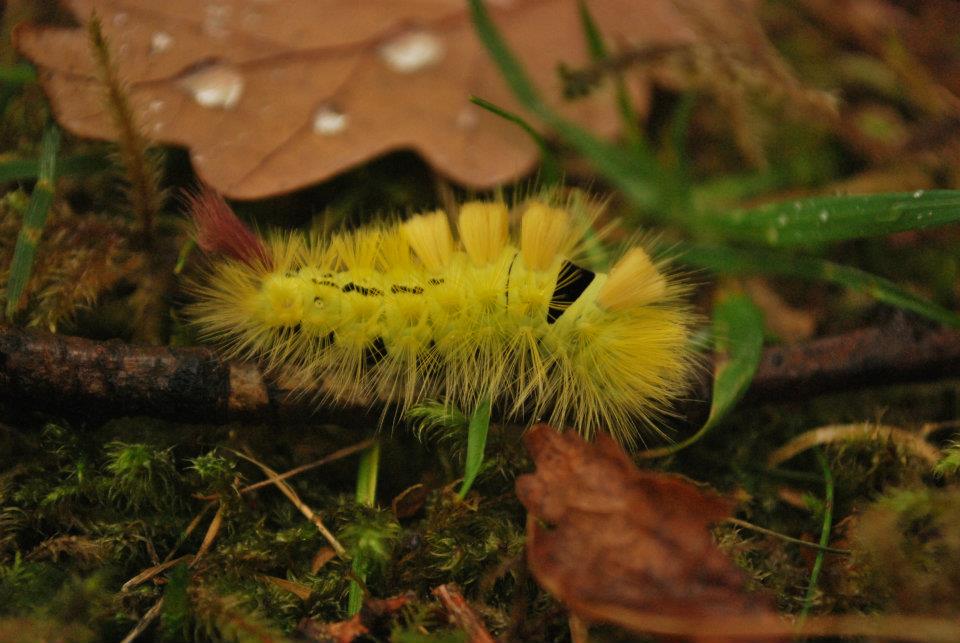
They are sexually dimorphic where the same species show different characteristics, as the markings are more extensive on the males, which I guess goes for many male species.
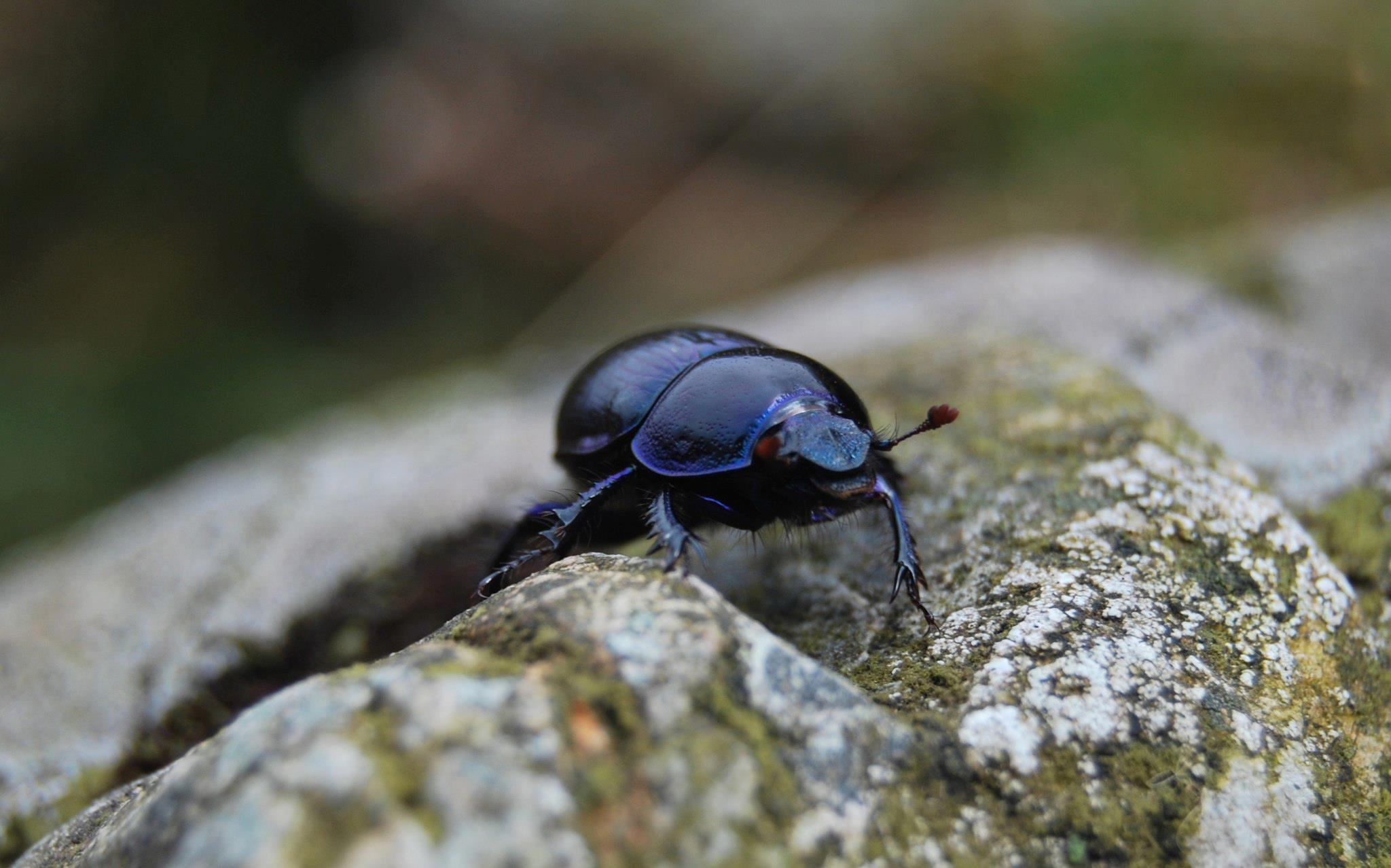
This type of Dung beetle falls under the ‘tunnellers’ category. These mainly live under dung, so can be seen mainly around fields of cows in the Lakes.
These beetles live entirely on dung, from cow, sheep and deer to name a few. They are important for the ecosystem by putting the dung back into the soil and rejuvenating it. There was a raise in conversational concern after Natural England commissioned a range of reports to find out how they were doing and it came out that about 50% of dung beetles were scarce or threatened and this is down to agricultural practices.
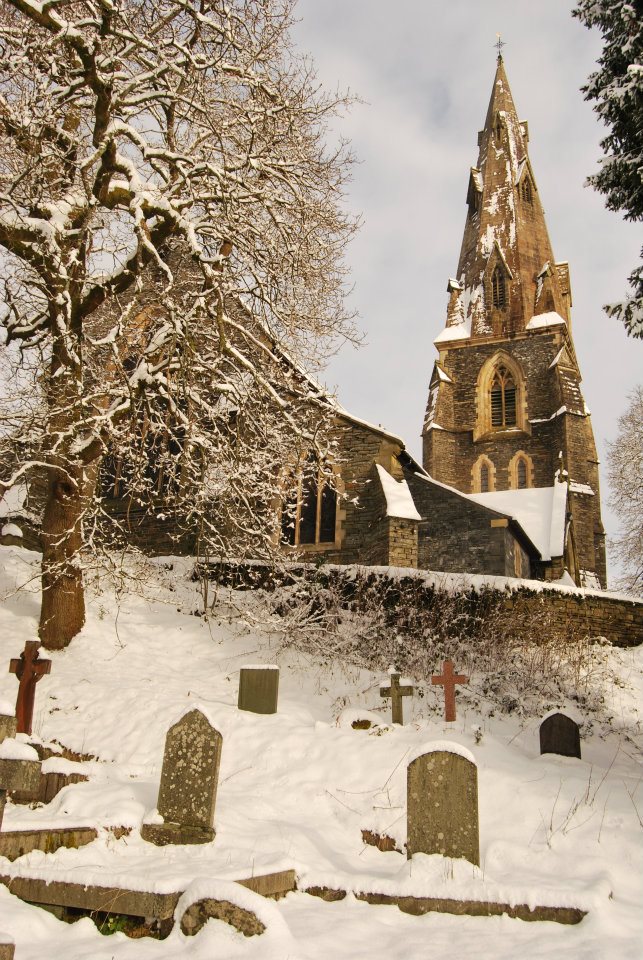
Historic people in Ambleside include William Wordsworth.
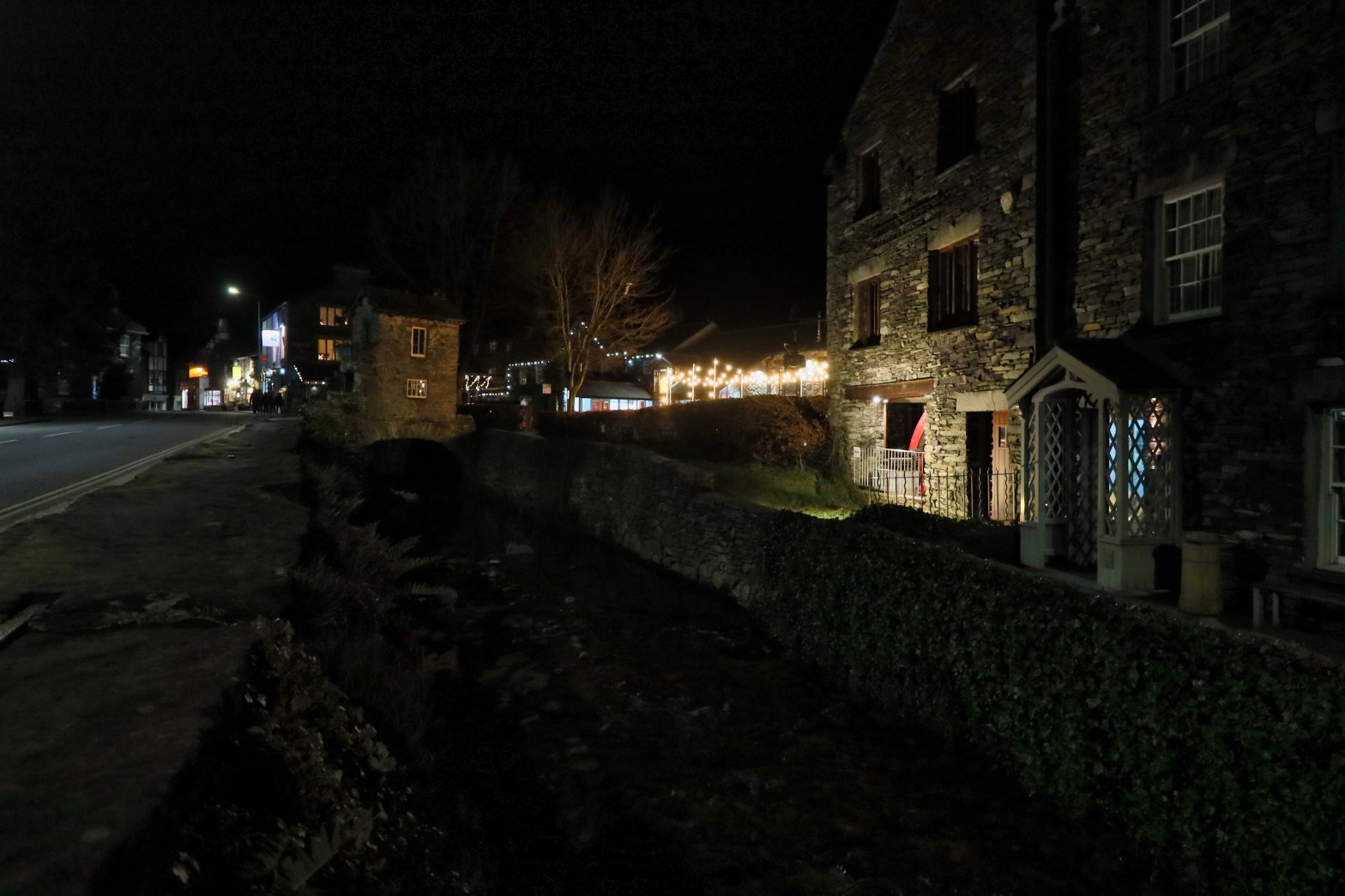
William Wordsworth work here as a distributor of stamps and lived in the Old Stamp House before moving to Rydal Mount with his family. The Old Stamp House is now a Michelin star restaurant and recently won an award for best restaurant in the world, but surely that is subjective so not entirely sure how legit that is.
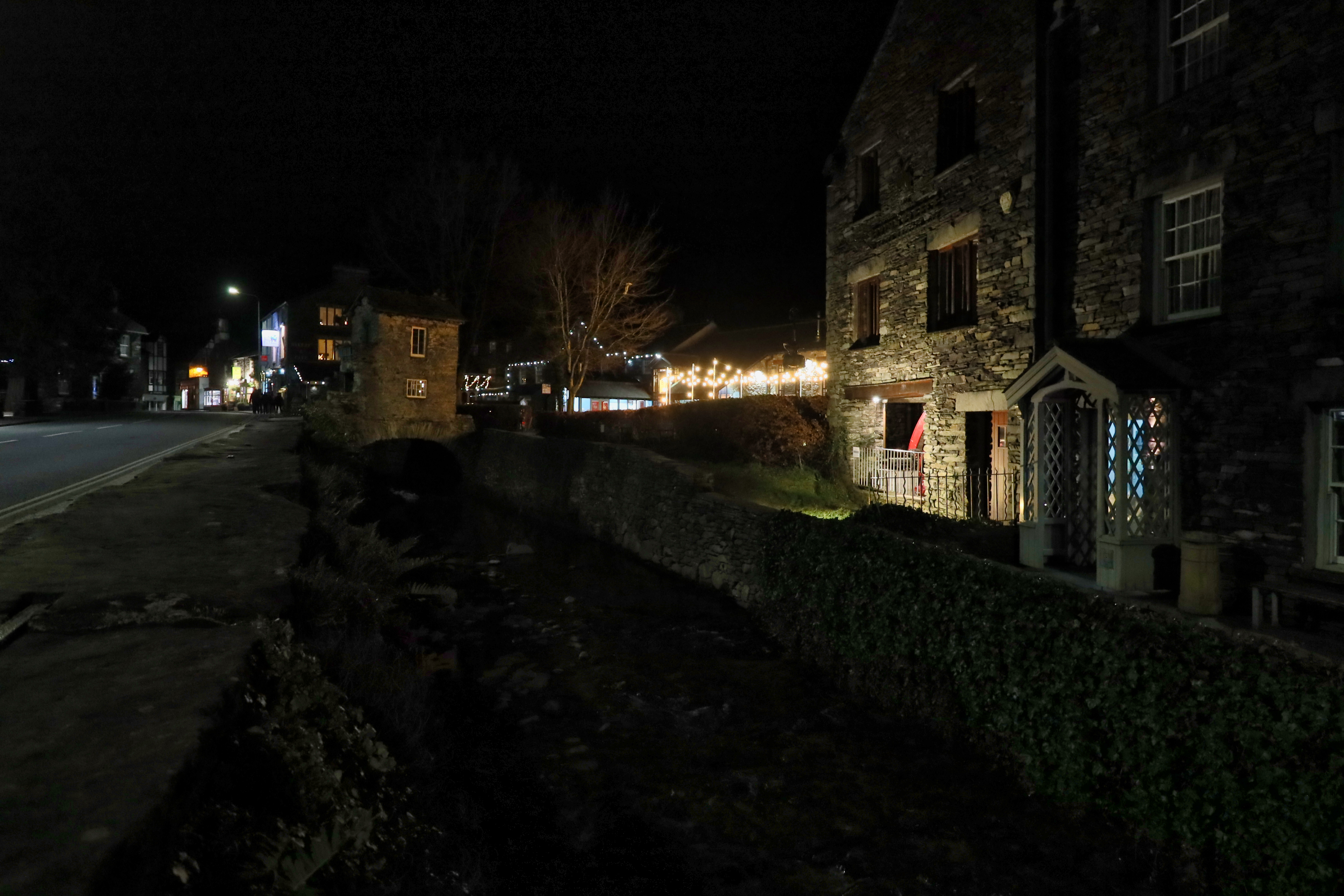
Harriet Martineau also lived here…
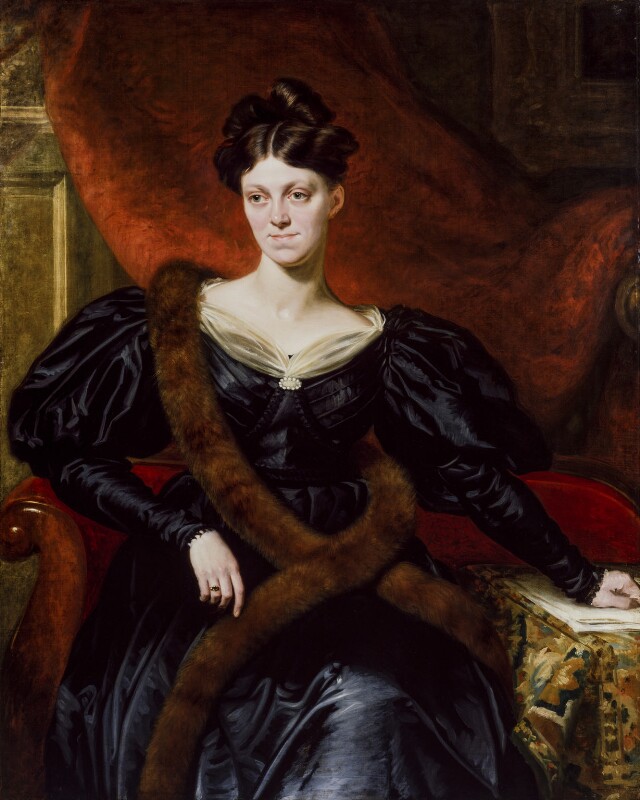
Harriet was a victorian superstar. She opposed the fact that her brothers were educated for a career and she was to just stay at home and become a wife. She wrote numerous articles for the Monthly Repository (a journal which supported the suffragettes, the abolition of slavery, national education and changes to the Poor Laws). She was deaf since a child so finding a job once her father died wouldn’t have been easy during those times, if it wasn’t for her writing.
She moved to Ambleside in 1845 and designed her house after falling ill whilst travelling in Europe. She was so proactive and really deserves her own blog (I will have to get around to that).
She continued to write and whilst in the Lake District she wrote Eastern Life, Present and Past (1848) and History of the Peace (1849), Letters on the Laws of Man’s Nature and Development (1851),
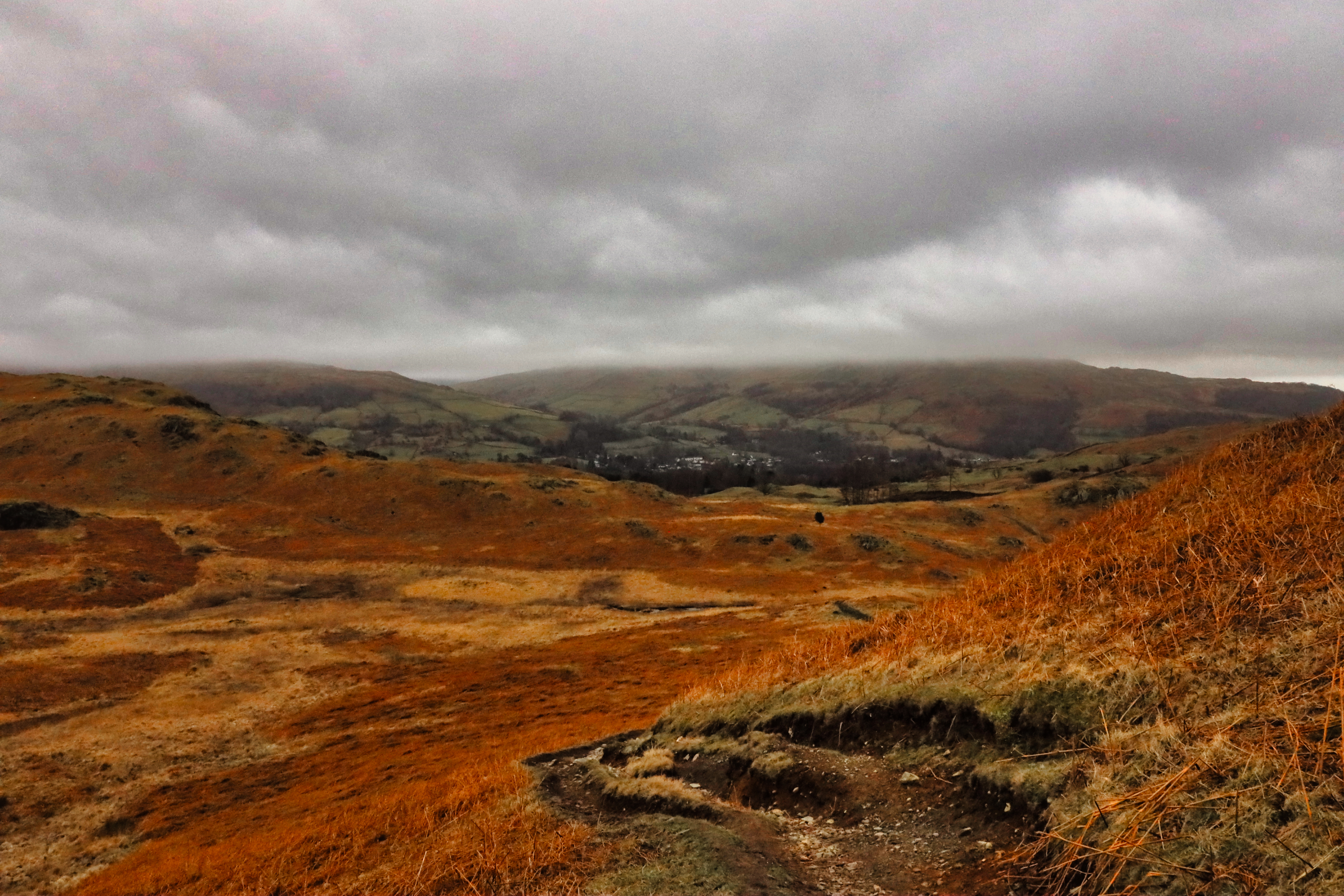
How to get there
The closest train station is Windermere then there are plenty of buses that go to and from Ambleside.
The area of course wants more people to travel on public transport and whereas that would be great for the environment, if you want to go and do a long walk getting to and from on a bus may not work with your route, or you might fear missing the bus on the way home which makes the walk not as enjoyable. However, there are many buses and so many routes that go from all towns and villages in the National Park.
There are talks about potentially charging cars to enter the Lake District, but how they would actually keep on top of that or even set it up, verses the tourism that they may miss out on. There are many factors to consider and I will keep my ears open for updates.
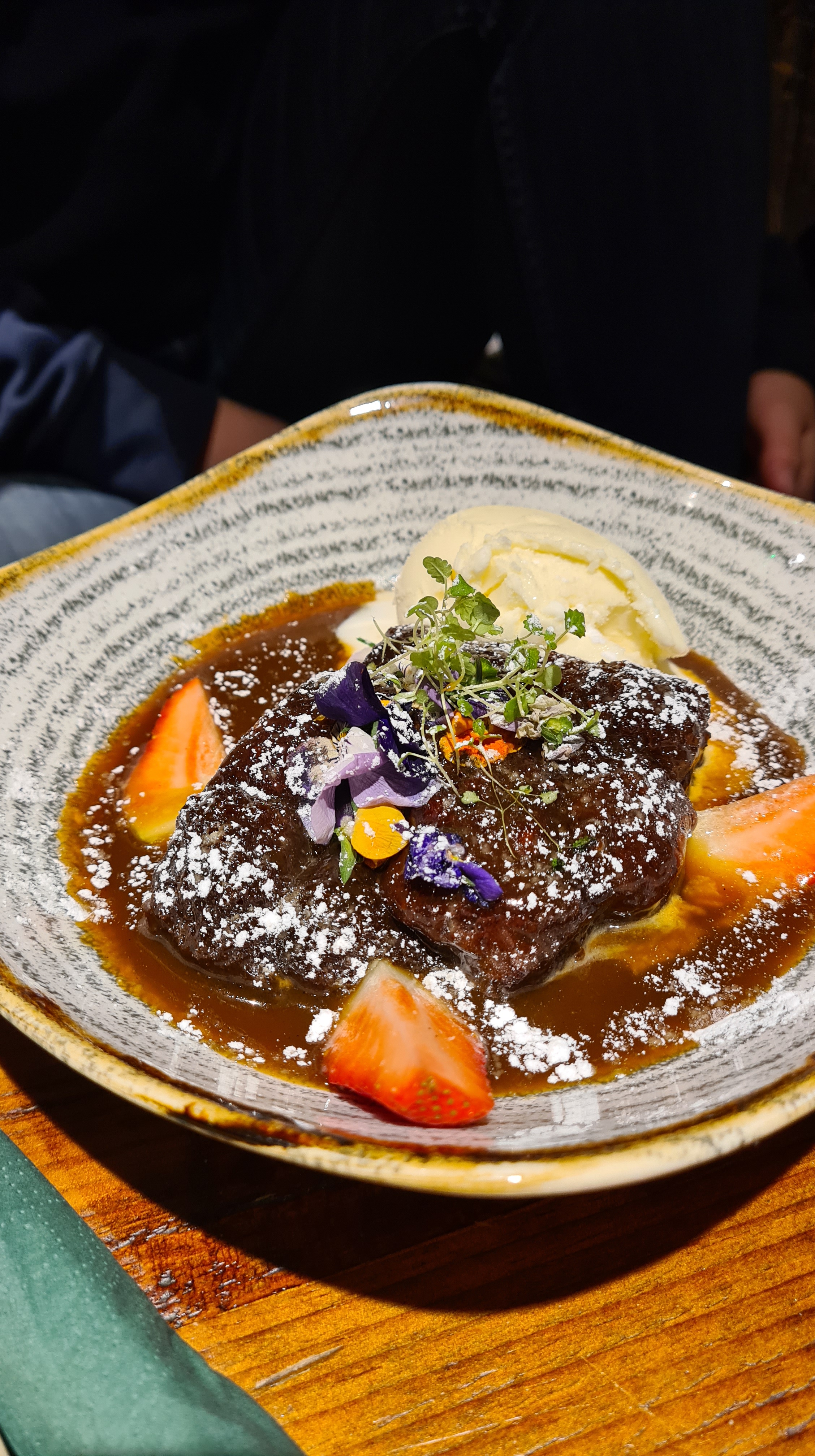
Walks
Below are a few links to routes on OS maps of my favourite walks from the centre of Ambleside.
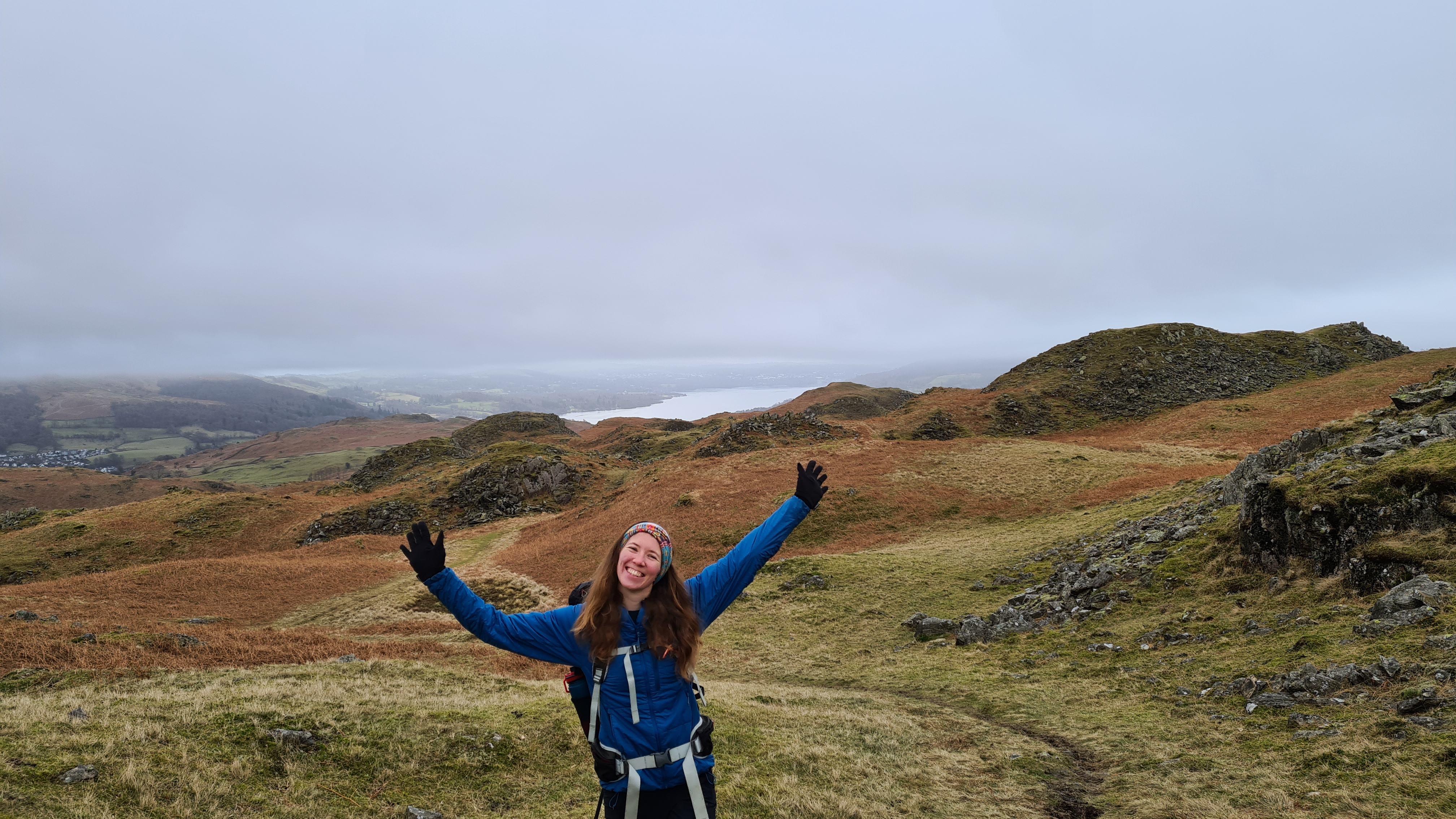
Additional Features
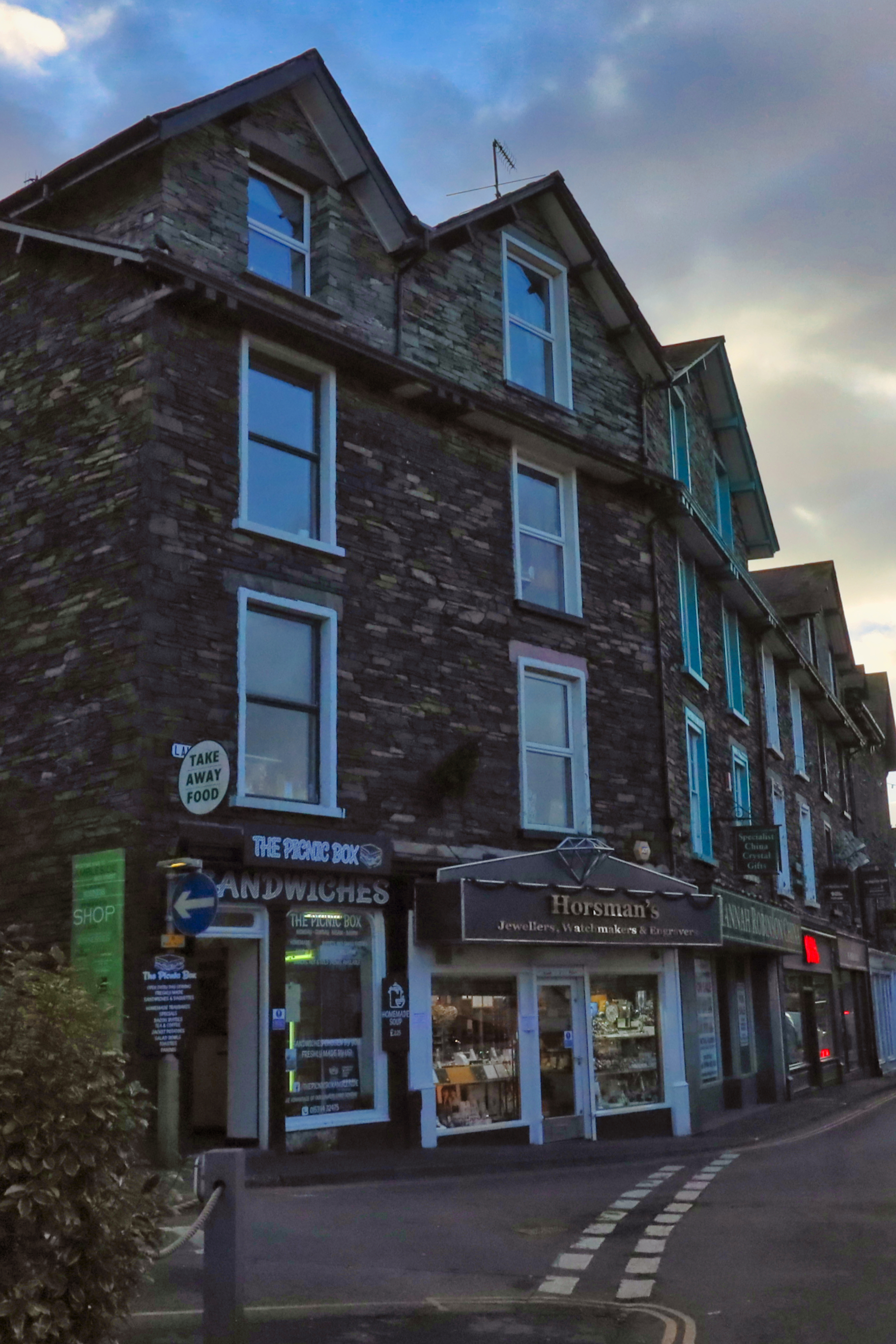
Normally I’d spend the day in Ambleside when the weather is pretty rubbish up on the hills. So a normal day would start off getting a hot baguette from the Picnic Box, the standard being bacon, chicken, cheese, mayo and bbq sauce (no salad). This has cured many student hangovers..
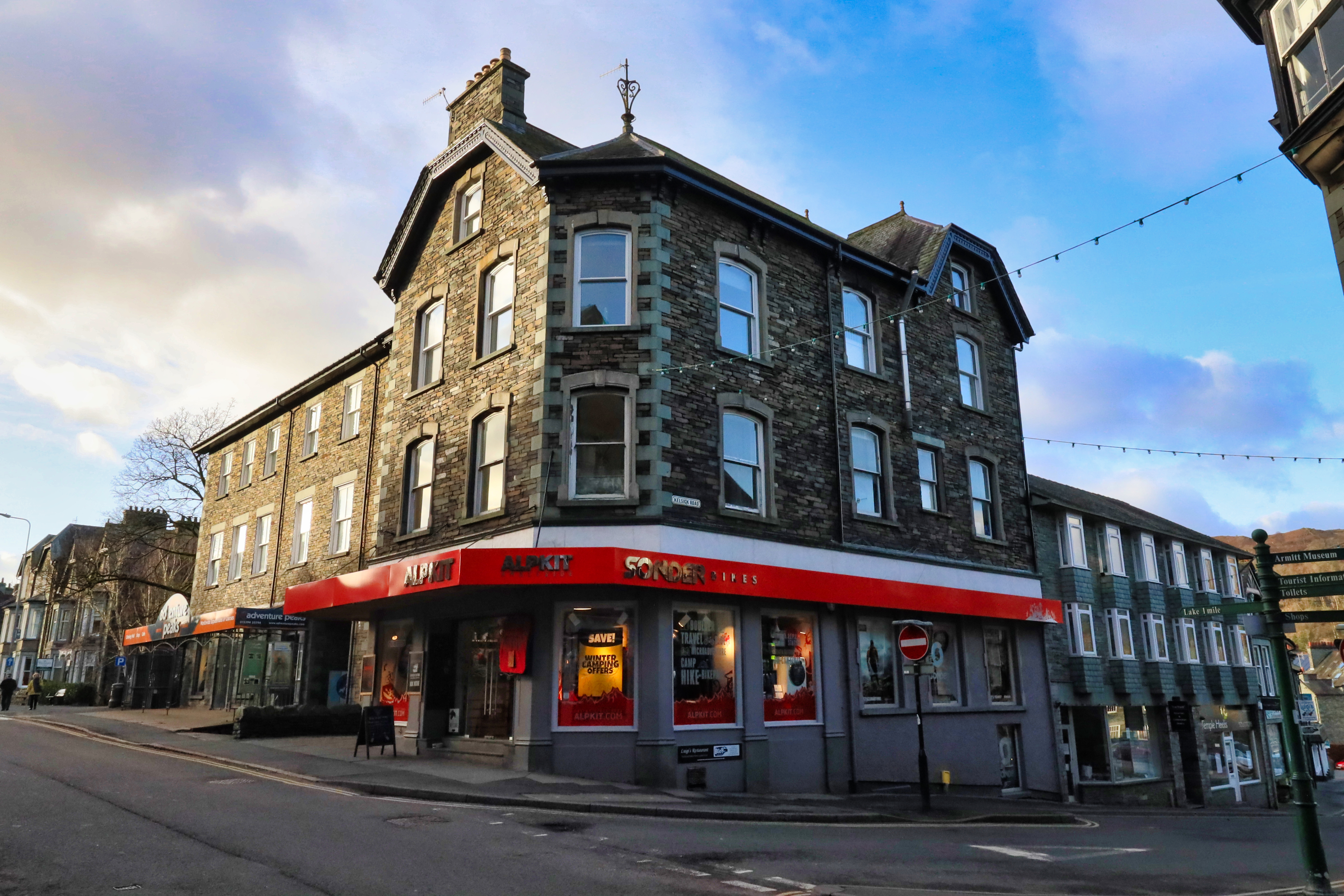
The climbing wall at Adventure Peaks is then a good spot for an hour or so. Then a spot of shopping for more outdoor gear that I probably don’t need at Alpkit. A favourite spot was the attic in the Epi-Centre but now that has gone I don’t bother there so much. I can however comment on the service at Alpkit. The staff go above and beyond and the range of gear they have is continually changing and the women’s clothing isn’t all pink! Finally! 5/5 review.
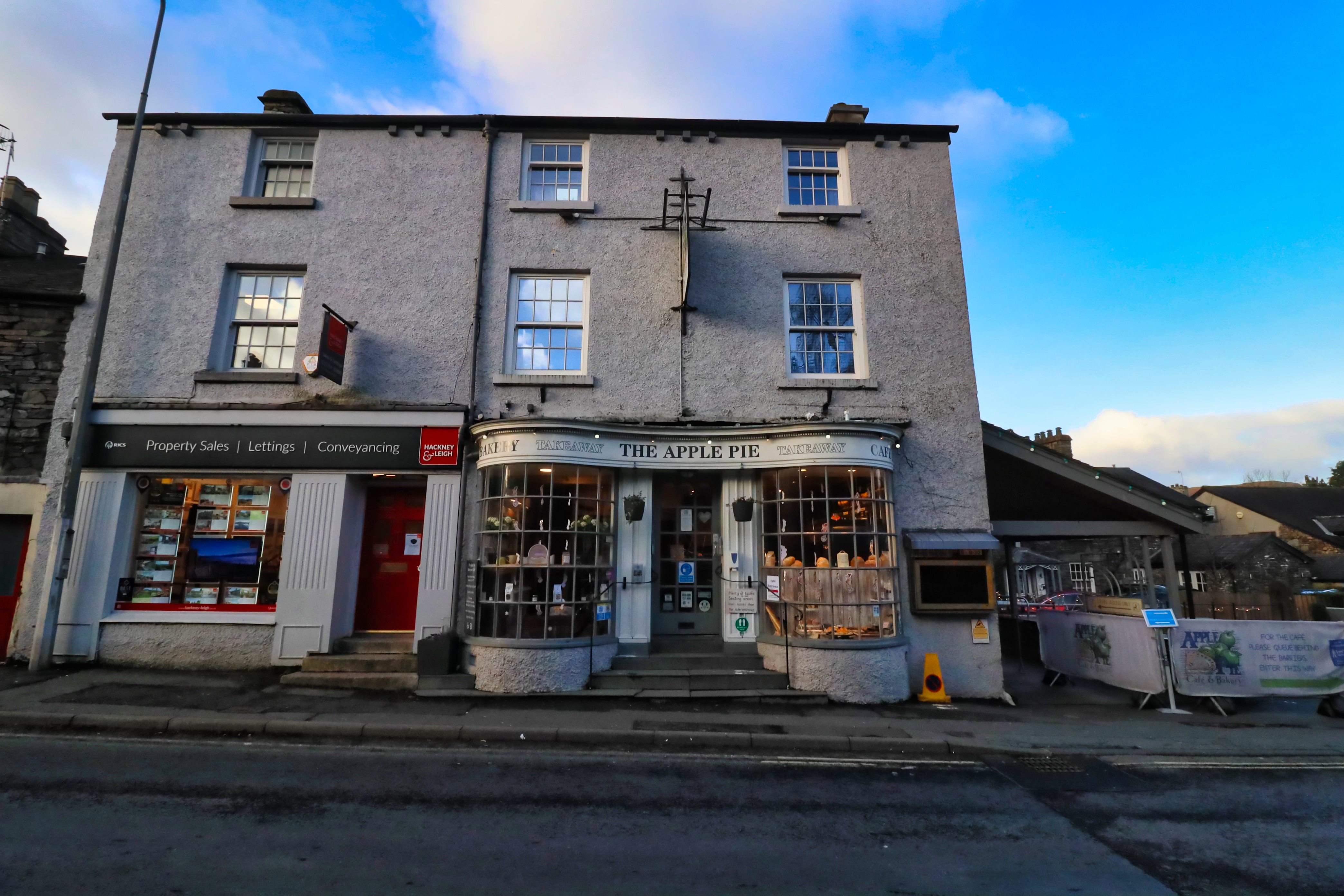
Lunch in the Apple Pie Cafe is normally a good shout, the queues can sometimes be off-putting, but if it is really raining then you’ll want to sit indoors!
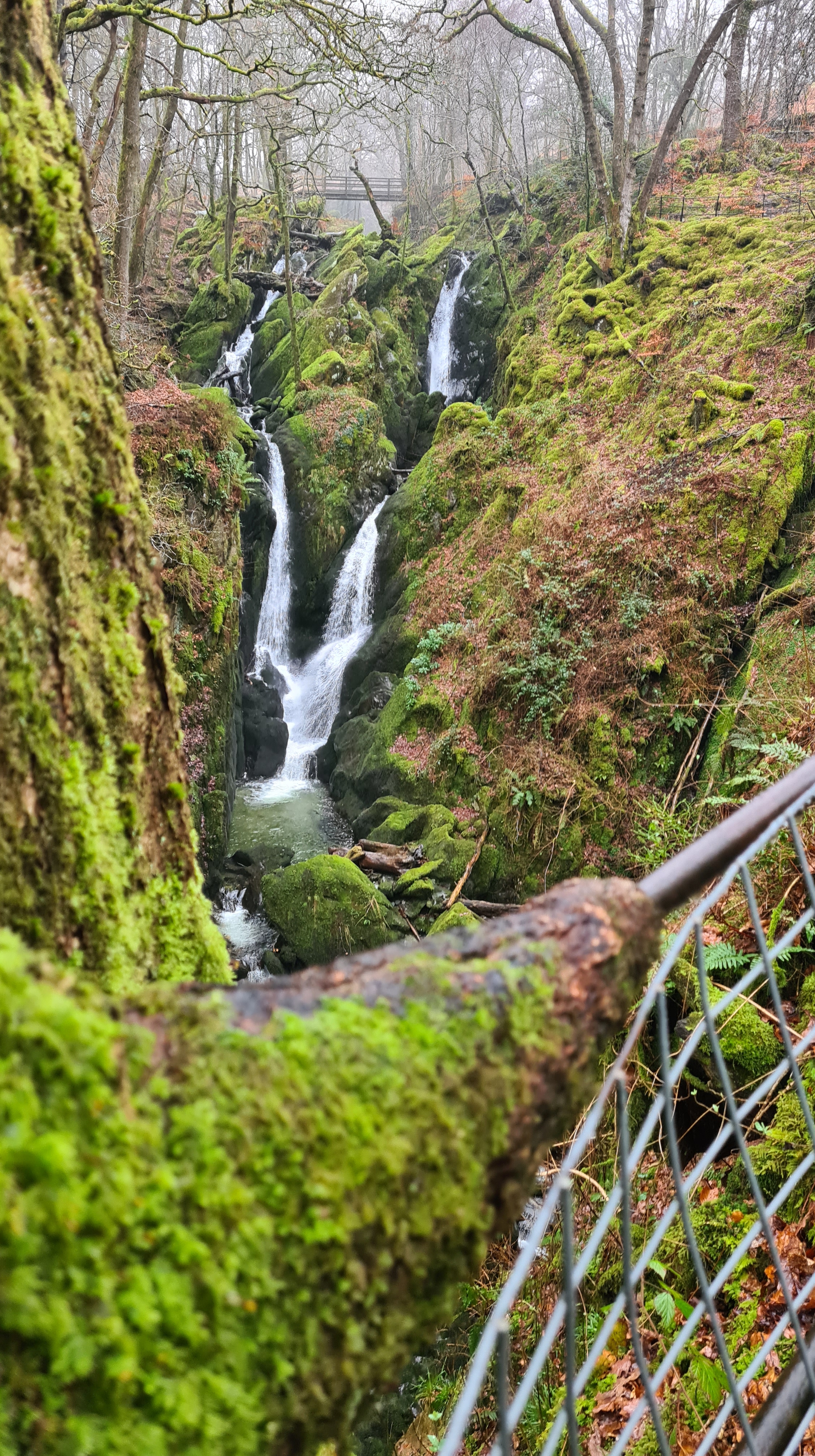
After lunch we’d normally walk up to Stock Ghyll Force. It’s a pretty waterfall walk, especially in Autumn. We all know that the outdoors is great for mental health, and physical but no matter what the weather I always try to get outdoors, especially if we’ve made the trip to the Lakes, then making the most of it is a high priority.
So overall, Ambleside will always have a place in my heart, but I will still continue to hold off going there in peak season.
Similar Blog: Read ‘A Quick Guide to Patterdale’ here.
Discover more from Holly Brega
Subscribe to get the latest posts sent to your email.
 Holly Brega
One thought on “A quick guide to Ambleside, Lake District”