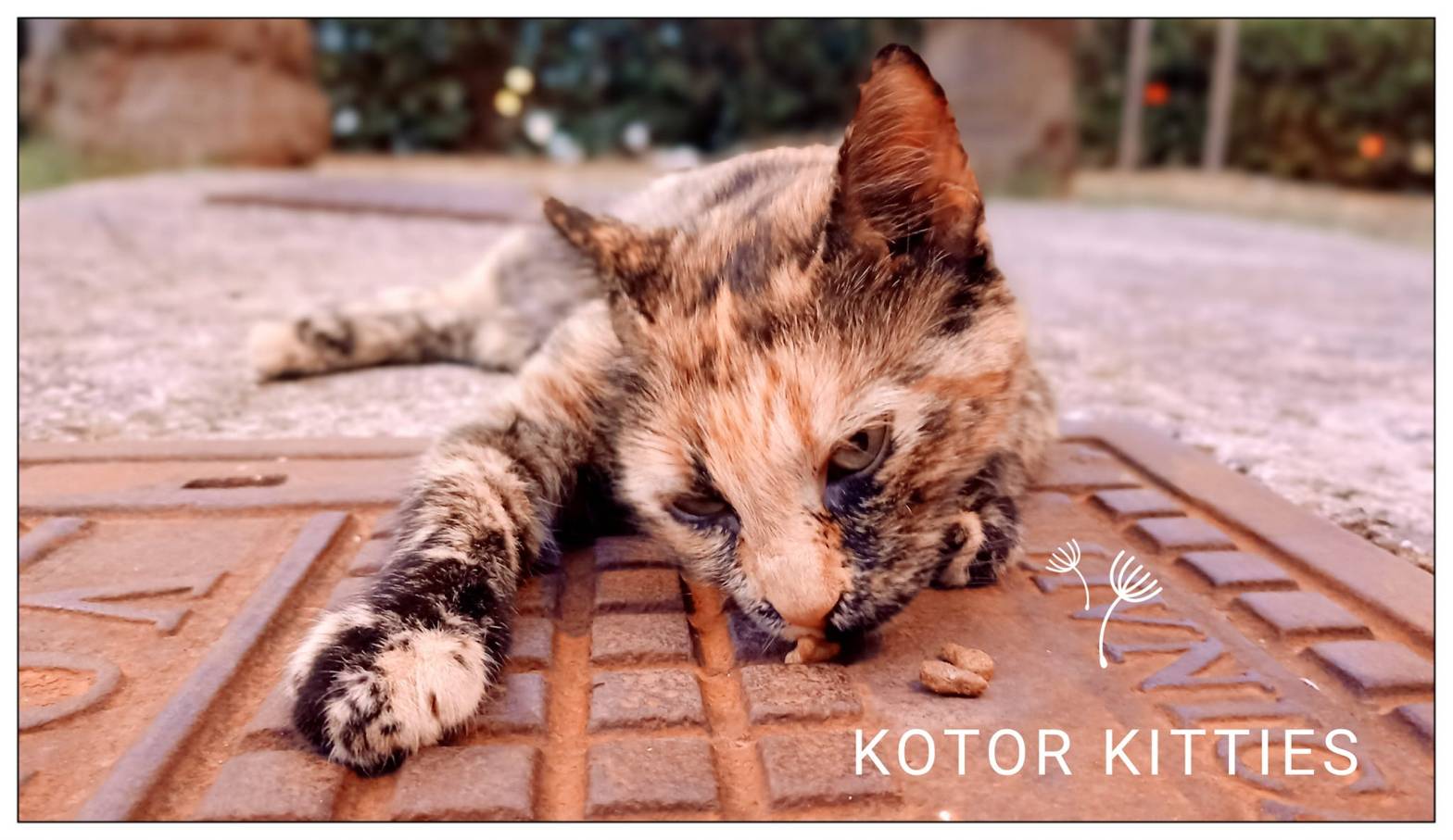
After spending some time in Montenegro I wanted to find out more about the charities and organisations that are around to support the animals on the streets. As anyone who has been to Kotor knows, this is probably one of the most popular ‘tourist destinations’ in the country with cruises coming into the bay all through the night; there is also a high street cat population.
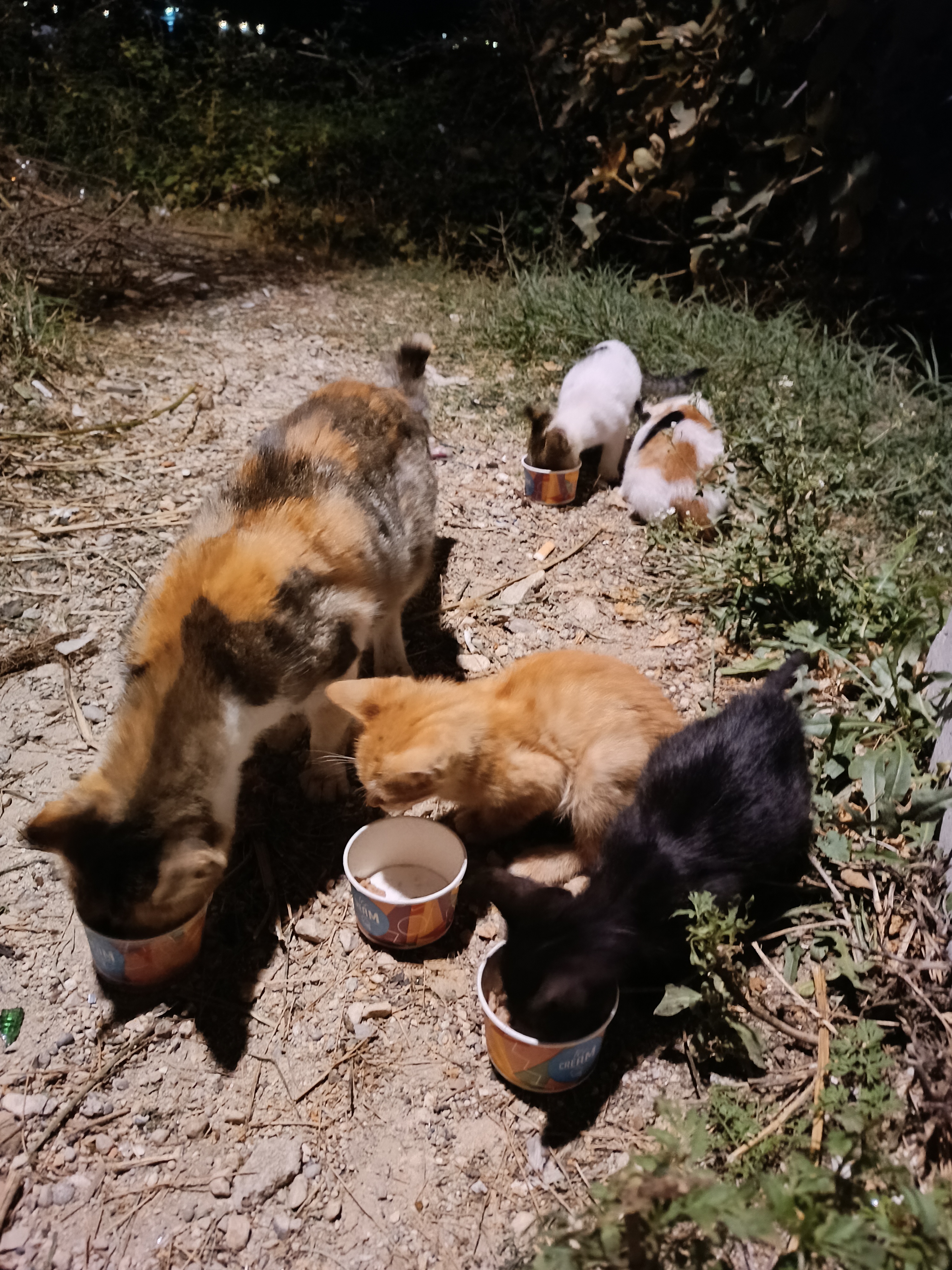

Photo Credit: Kotor Kitties
So, who are the Kotor Kitties?
Kotor Kitties is a combination of three registered charities (UK number 1189591) whose main aim is to raise funds for neutering and to spread the message around the country of the importance of sterilisations.
Led by volunteers, the organisation uses licensed and registered local veterinarians to spay / neuter animals to reduce the population of unwanted animals and therefore reducing the pain and suffering that can be caused.
How much does it cost to spay / neuter an animal in Montenegro?
Kotor Kitties’ rate is €36.30 for female cats (€30 + 6.30 VAT) or €24.20 for males (€20 + 4.20 VAT). The 21% VAT is charged by the Montenegrin government.
Kotor Kitties say “We want to see this tax removed, both to help make sterilization more affordable, and to emphasize the government’s commitment to solving the problem of overpopulation. As added incentive, we believe they should remove the tax on all veterinary services for sterilized animals. Breeders or owners who choose not to sterilize their pets should of course pay the 21% VAT for vet services.”
I agree with what Kotor Kitties say here and I will be writing a letter to three government officials below:
President: Jakov Milatović. Facebook: https://www.facebook.com/jakovmilatovices
Prime Minister: Dritan Abazović. Email: kabinet@gov.me Facebook: https://www.facebook.com/abazovicdritan
Mayor (President) of Kotor: Vladimir Jokić. Email: kabinet.predsjednik@kotor.me
I was going to draft a letter which will make it easier for others to write to the pre-mentioned personnel, but I can see the Kotor Kitties already has one. You can download it from this link here.
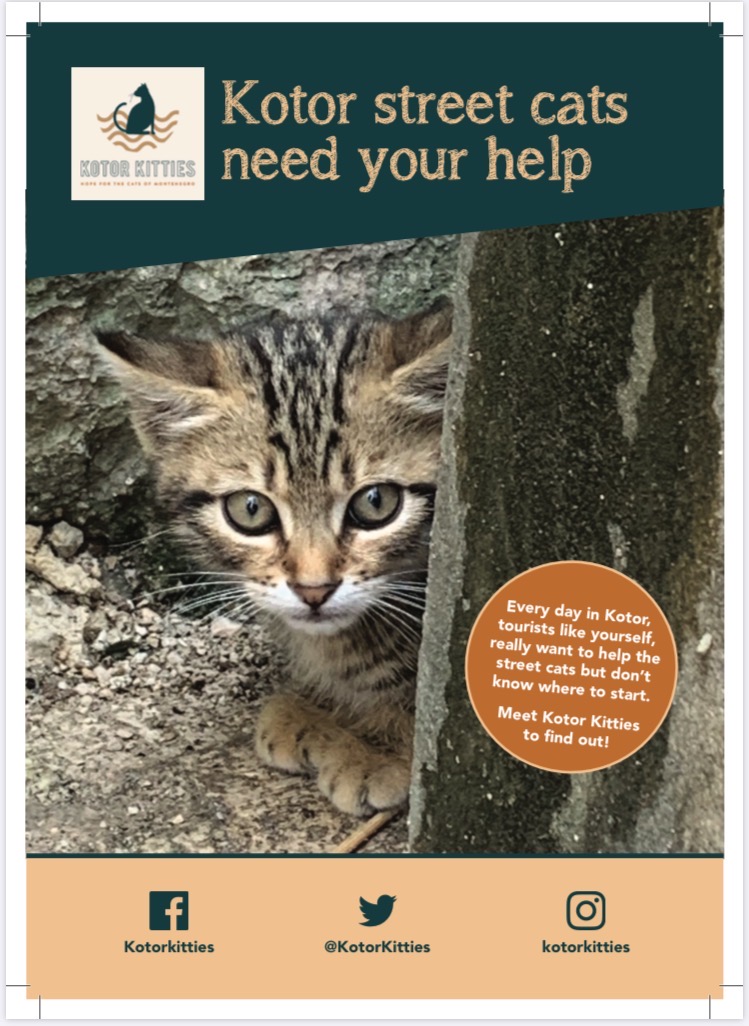
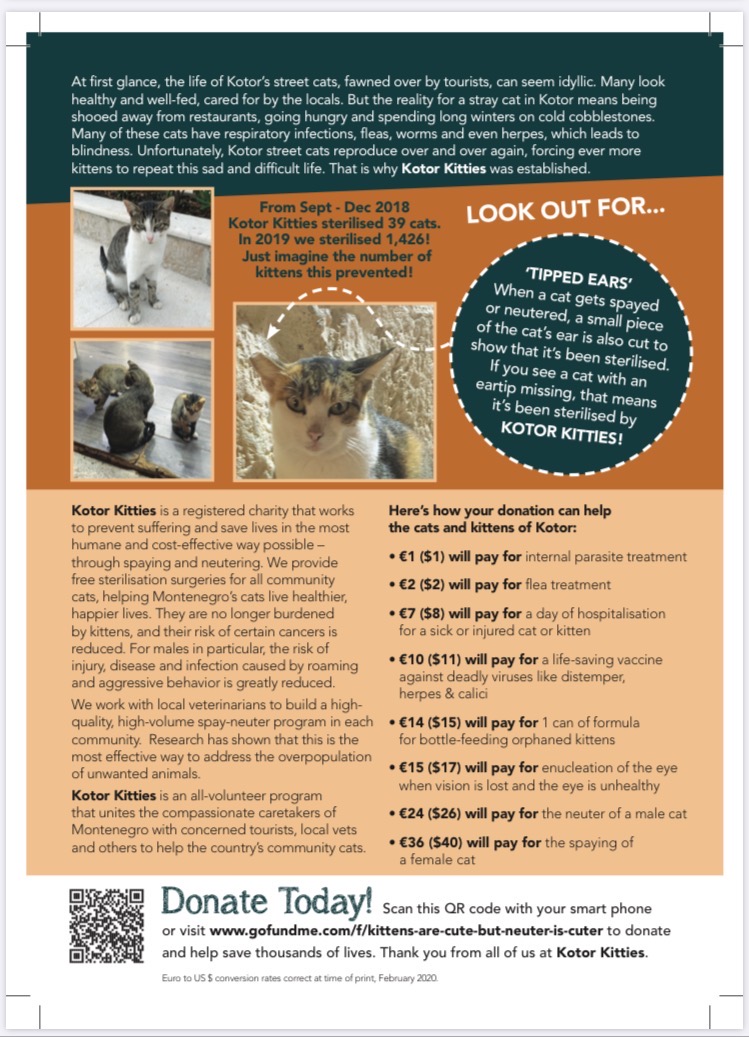
Photo Credit: Kotor Kitties
What do I do if I see a stray cat at my holiday accommodation?
Kotor Kitties say: If there are homeless cats around the hotel, guest house, or vacation rental you’re staying in, take note of whether they have water and a regular feeding schedule. If they do, take time to thank the manager or host, and tell them how nice it is to see that they’re cared for!
If the cats are not being fed and have no fresh water, talk to the management about how much you enjoy seeing the cats, but how much nicer it would be to see them well cared for! And be sure they understand how simple and cost-effective sterilization is, to keep the situation around their business pleasant.
- Be sure to point out the benefits of a well-cared-for group of cats:
- They help control rodents year-round, even when they’re fed.
- They will discourage new cats from moving into the territory.
- They are much healthier once spayed or neutered and treated; problem behaviours like fighting and spraying to mark territory will decrease and usually disappear.
- Tourists are charmed by visiting with healthy cats and dogs; they frequently miss their pets at home, and enjoy cuddling them when they’re healthy and well cared for.
- There will be less build-up of garbage from left-over food left by well-meaning tourists if there is an identified food-water-shelter space.
- Remember that your voice − whether you are a tourist or a guest − is very important to the host and you will be listened to!
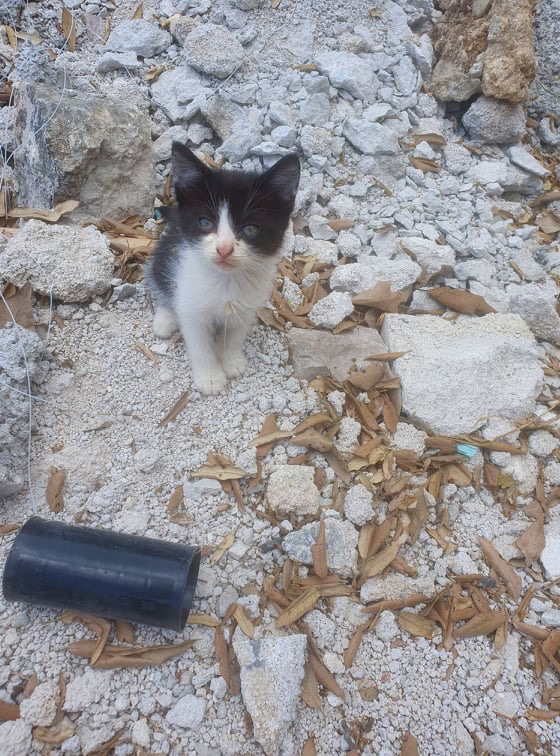
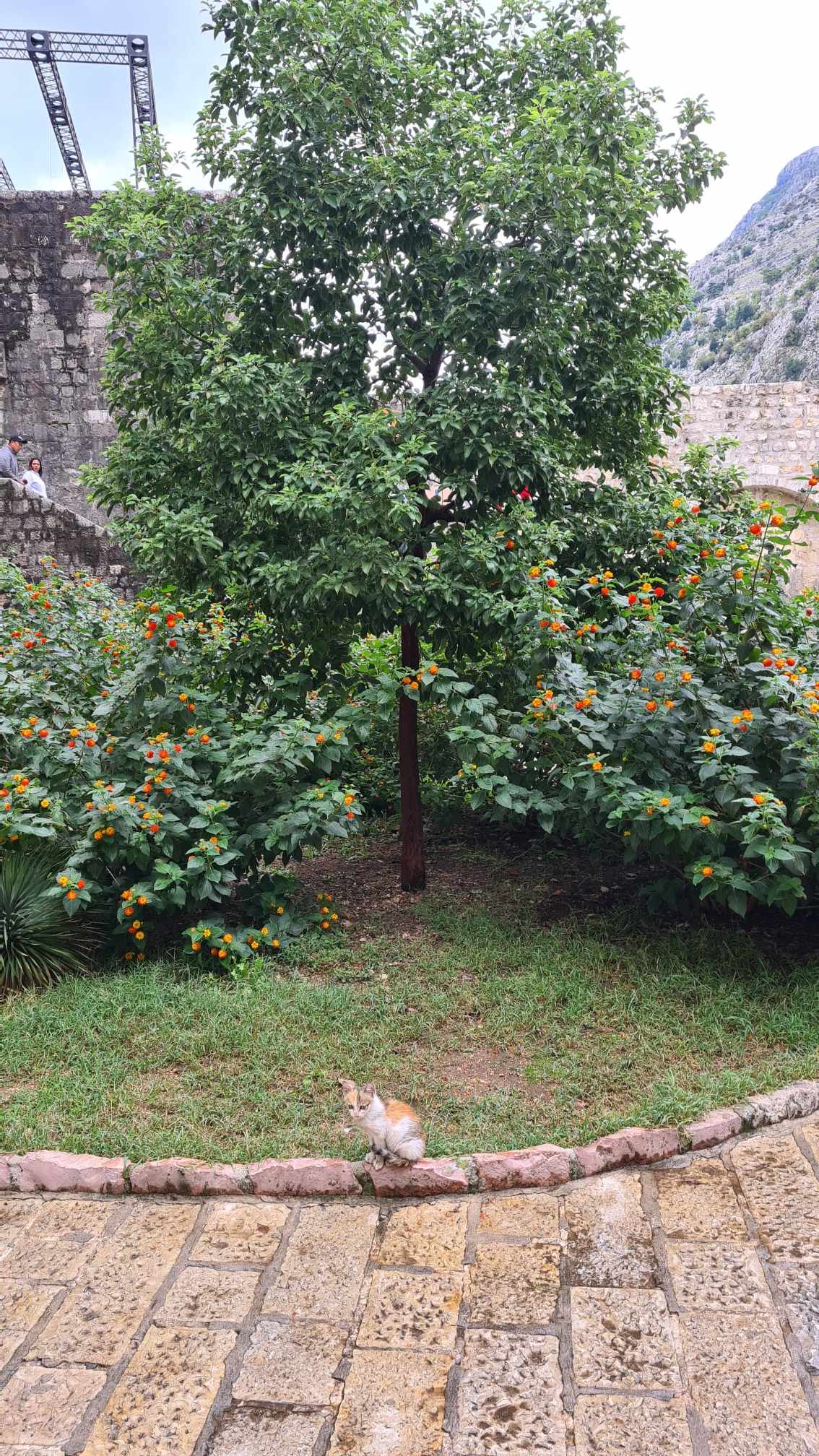
Photo Credit: Kotor Kitties and Holly Brega
How can I adopt a cat or dog from the streets of Montenegro?
Kotor Kitties does not help visitors to adopt, however they share loads of useful information on their website and links to companies that can help you here.
If you are travelling in a van and would like to bring an adopted animal back into the UK, you will need time (about 4 months) to get all the tests done and:
- Pet Passport (you can get these from the vets).
- Potentially may need an animal health certificate to leave Montenegro, but a passport should suffice.
- Microchip: International Organization for Standardization (ISO) standards ISO 11784 and ISO 11785.
- Rabies Vaccination. The animal needs to be over 12 weeks old. You must wait at least 21 days after the primary vaccination to bring your pet into the UK.
- Titre Test. Your pet must have a blood sample taken at least 30 days after the rabies vaccination. The results of the blood test must show that the vaccination was successful (rabies antibody level of at least 0.5 IU/ml). The results could take about 3 weeks to be returned. You will have to go back to the same vets to pick up these results. You must then wait 3 months from the date the blood sample was taken before you come into the UK.
- Wormer. The treatment must have been given by a vet and stamped in their passport, no less than 24 hours and no more than 120 hours (5 days) before you enter the UK. I am going to create a list of English speaking vets in France who can help with this.
You can find out more about bringing an animal into the UK, here.
For more FAQ’s visit the Kotor Kitties website here: https://kotorkitties.org/en/for-visitors/
Discover more from Holly Brega
Subscribe to get the latest posts sent to your email.
 Holly Brega